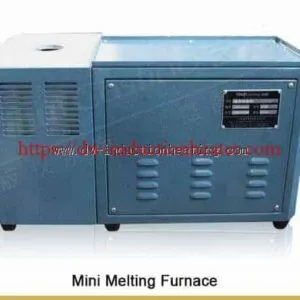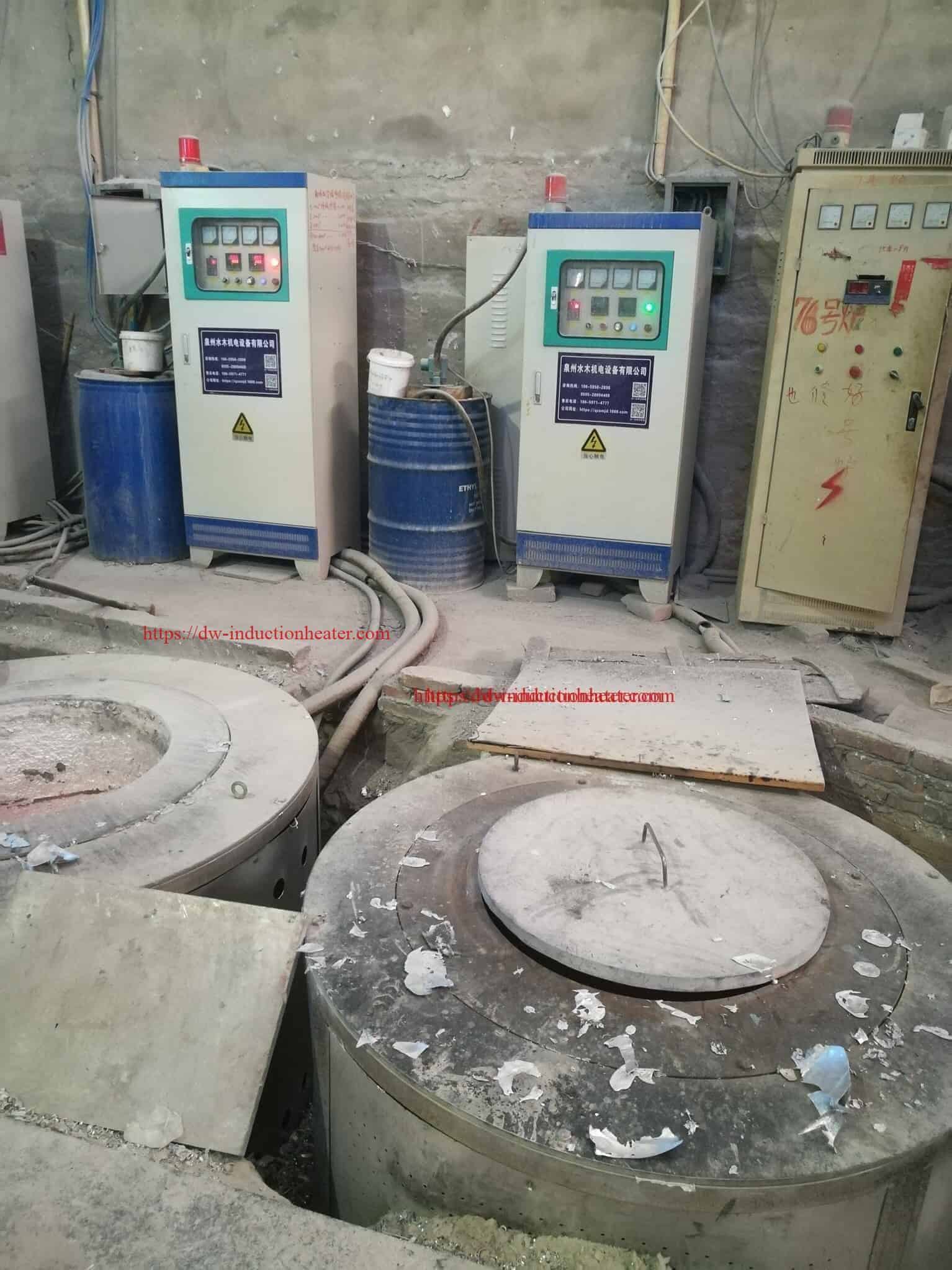
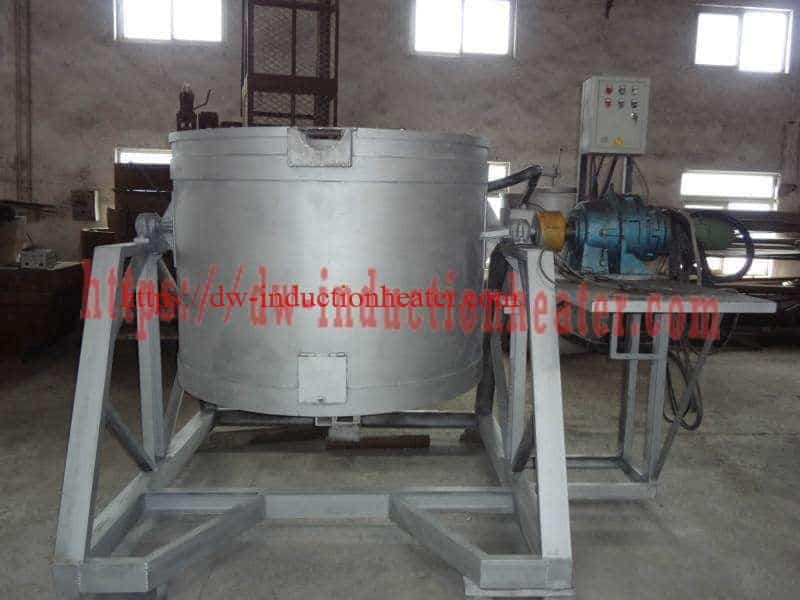
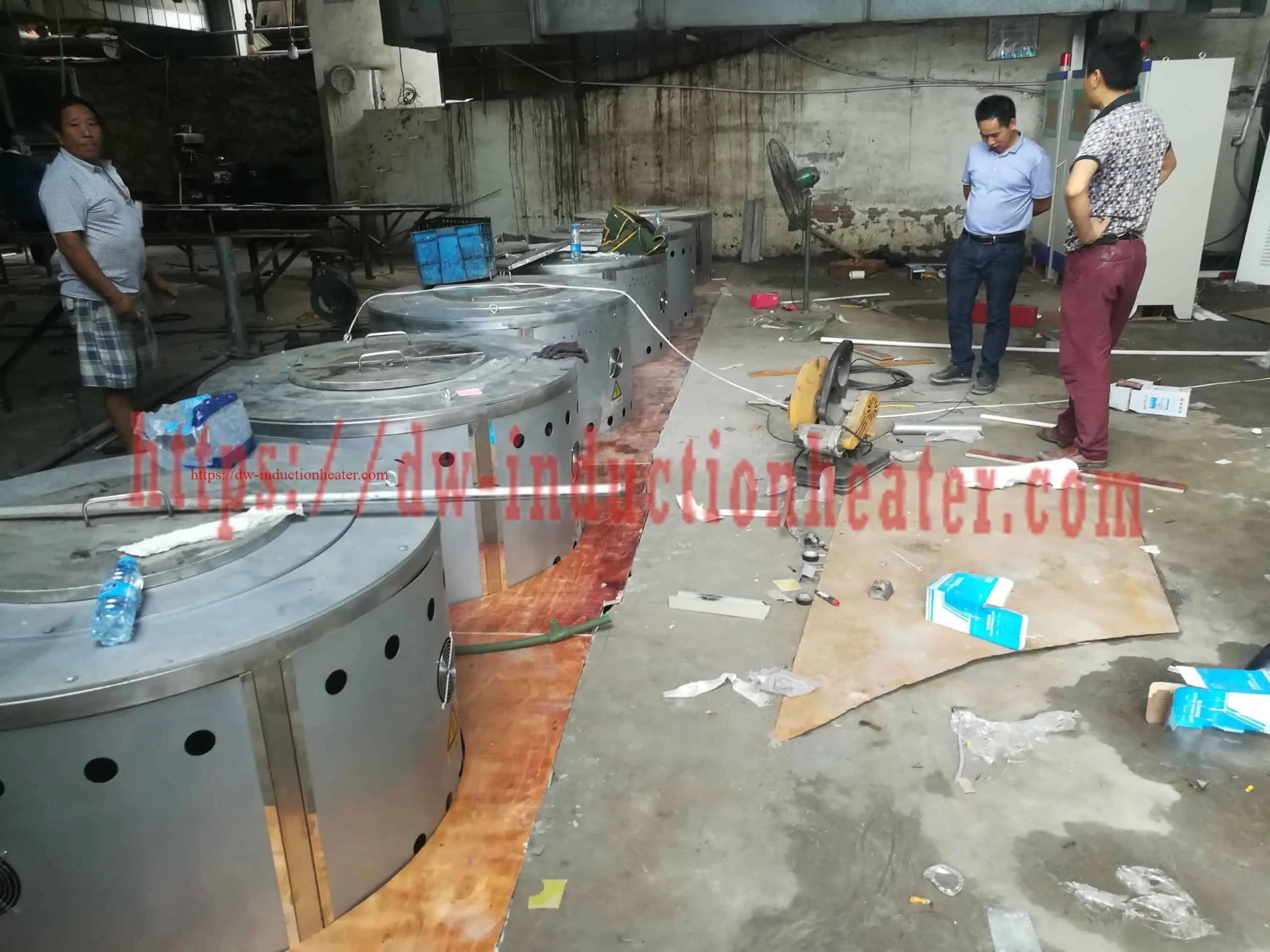


Al Melting Furnace with Induction
Al Melting Furnace with Induction
Quick Answer
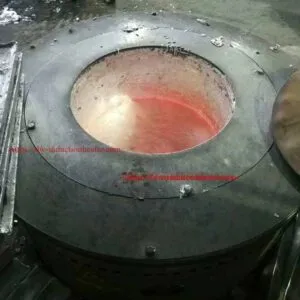
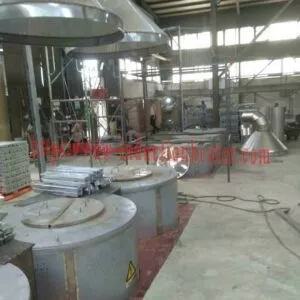
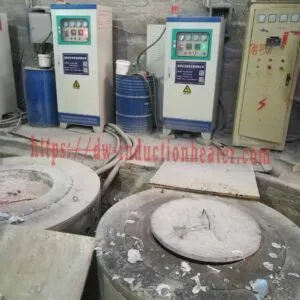
An Al melting furnace with induction is an electric crucible furnace that melts aluminium and aluminium alloys without an open flame. A medium-frequency or high-frequency power supply drives a water-cooled copper coil; the changing magnetic field induces currents in the conductive crucible, the crucible is heated, and the heat is transferred into the aluminium charge until it becomes a molten bath.
HLQ publishes the machine as the SMJD series. The published table lists an aluminium capacity from 150 kg to 1,200 kg per heat and a power range from 60 kW to 200 kW. The same table carries a separate capacity column for steel and stainless steel and a third column for copper, gold and silver with scrap and slag. The furnace maximum temperature is published as 1,800 °C; that is a furnace rating, not an aluminium pouring setpoint. Aluminium melts at about 660 °C and is normally held between 680 and 760 °C for casting.
For a buyer, three numbers decide the machine: the charge weight per heat, the available three-phase power, and the required melt rate. Charge weight sets the crucible size, power sets the melt time, and the melt rate plus the alloy mix set the alloy composition of the metal that reaches the mould. The model selection in this guide starts from those three numbers and then checks them against the published model table.
The complete HLQ reference documents for this equipment family are the SMJD induction melting furnace parameter sheet and the Aluminium, Copper and Iron induction melting furnace manual.

Table of Contents
- What is the Al Melting Furnace with Induction?
- Key Applications
- Suitable Materials
- Working Principle
- Technical Specifications
- Recommended Model Selection
- Process Workflow
- Common Problems and Solutions
- Engineering Selection Guide
- Advantages and Limitations
- Why Choose HLQ?
- 6 Core FAQs
What is the Al Melting Furnace with Induction?
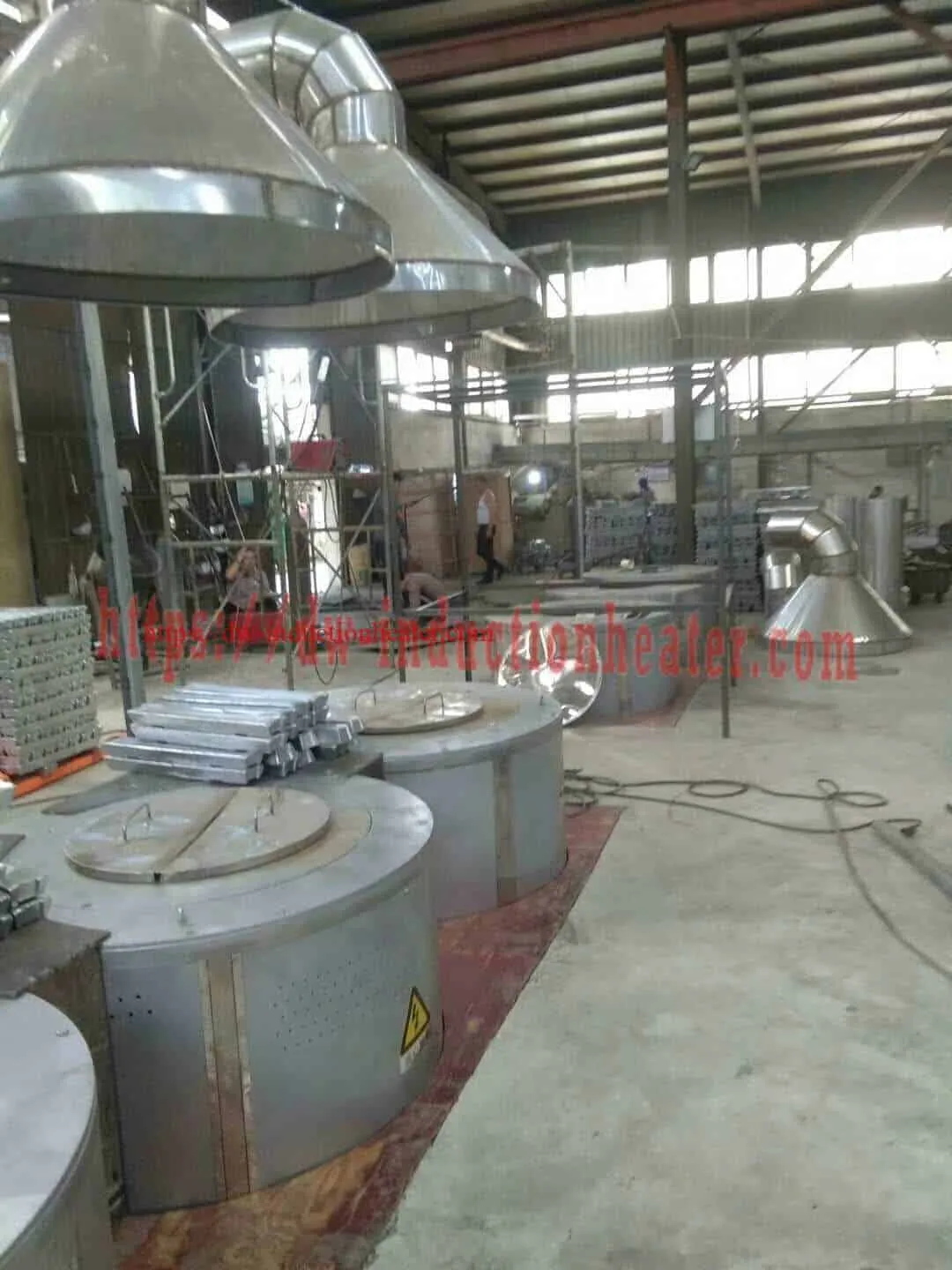
The name describes three things at once. Al is the chemical symbol for aluminium and is used throughout the published capacity table for the aluminium, aluminium alloy, aluminium scrap, aluminium slag and pop can duty. Melting furnace identifies the process: the metal is melted and, in most installations, poured directly into a ladle or into moulds. With induction identifies the heating method, which is electromagnetic rather than flame, resistive or fuel based.
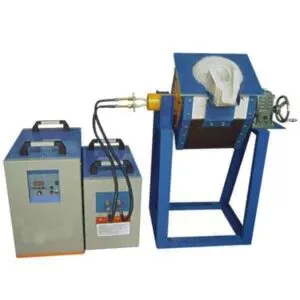
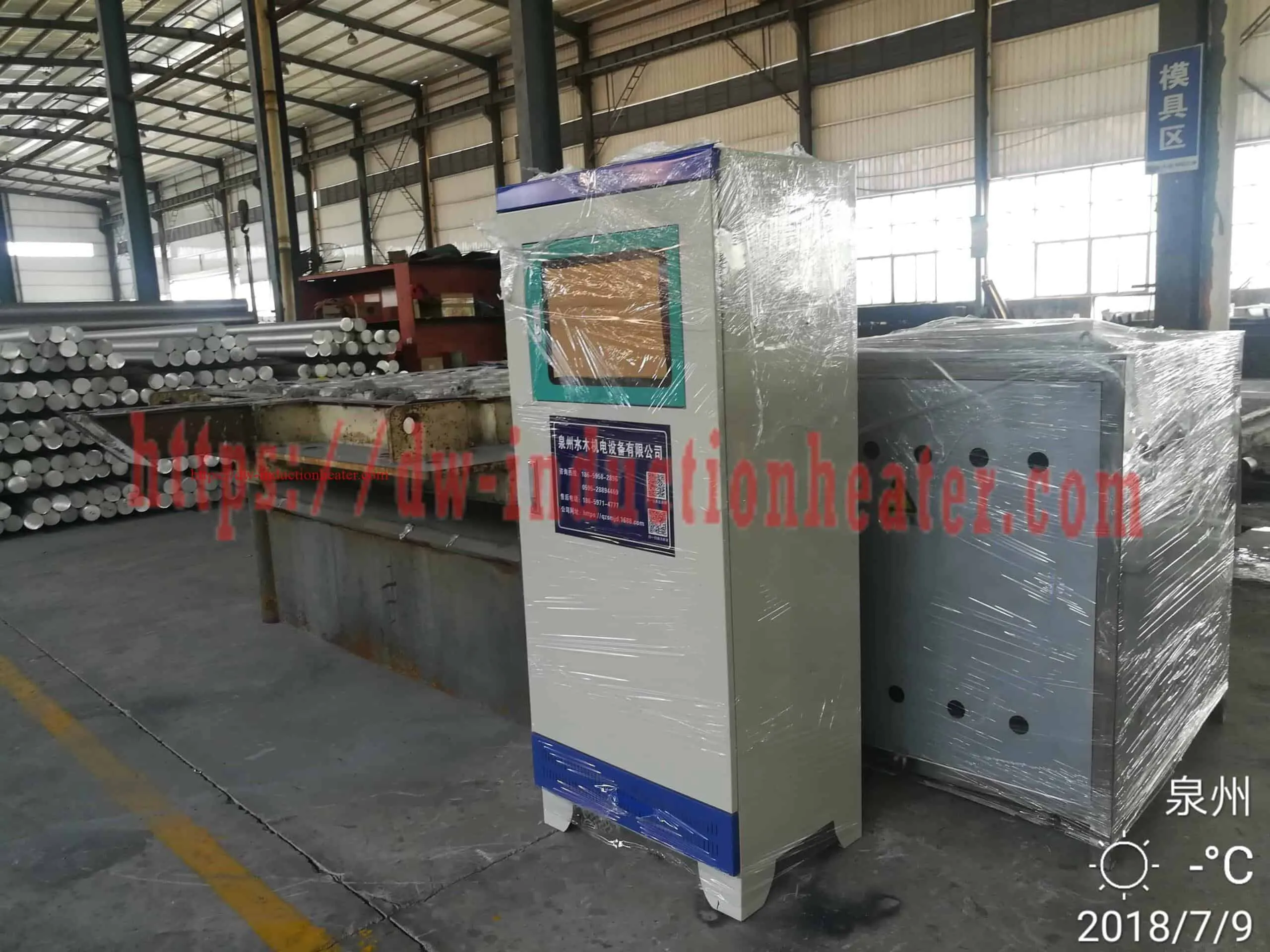
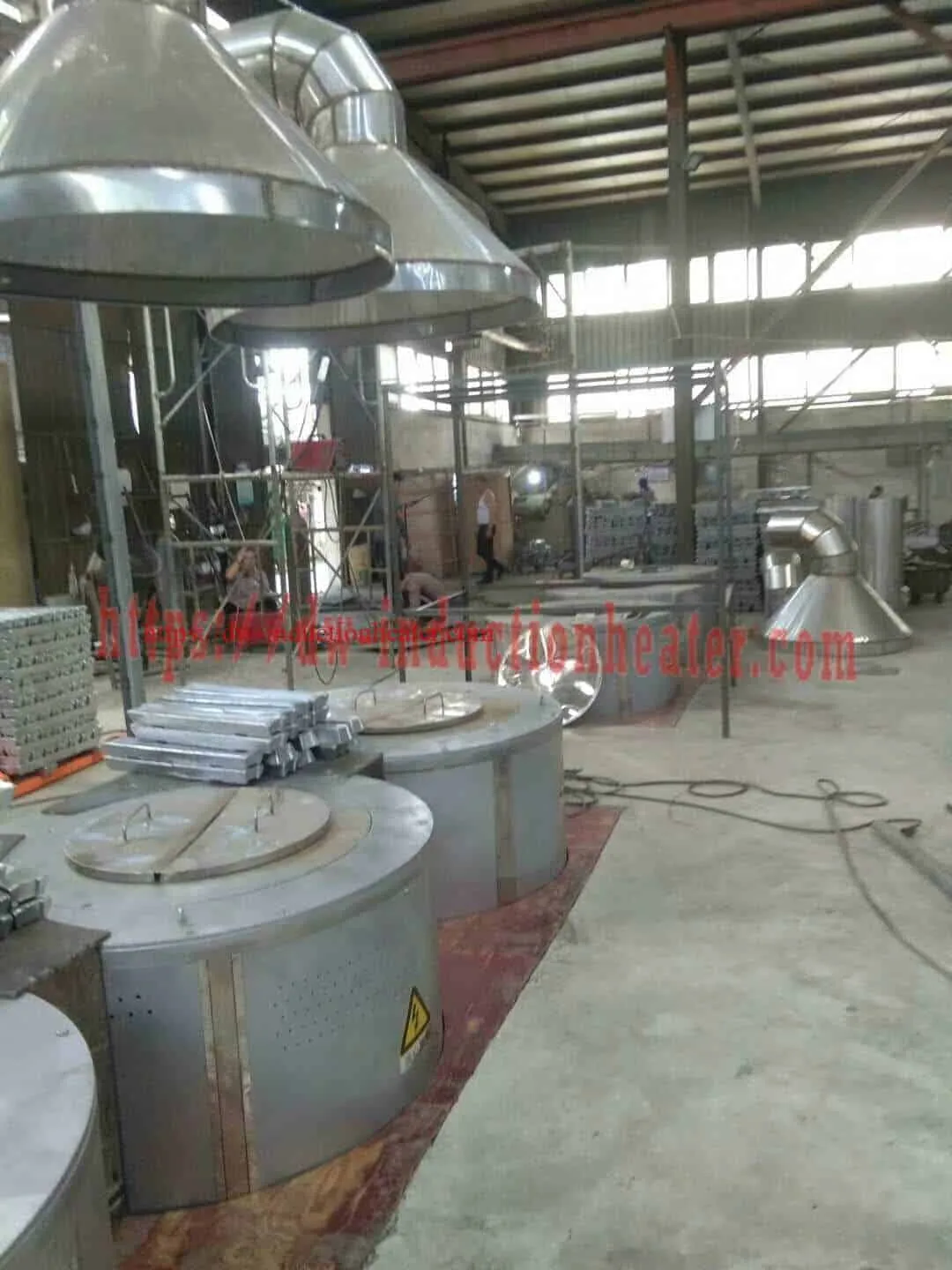
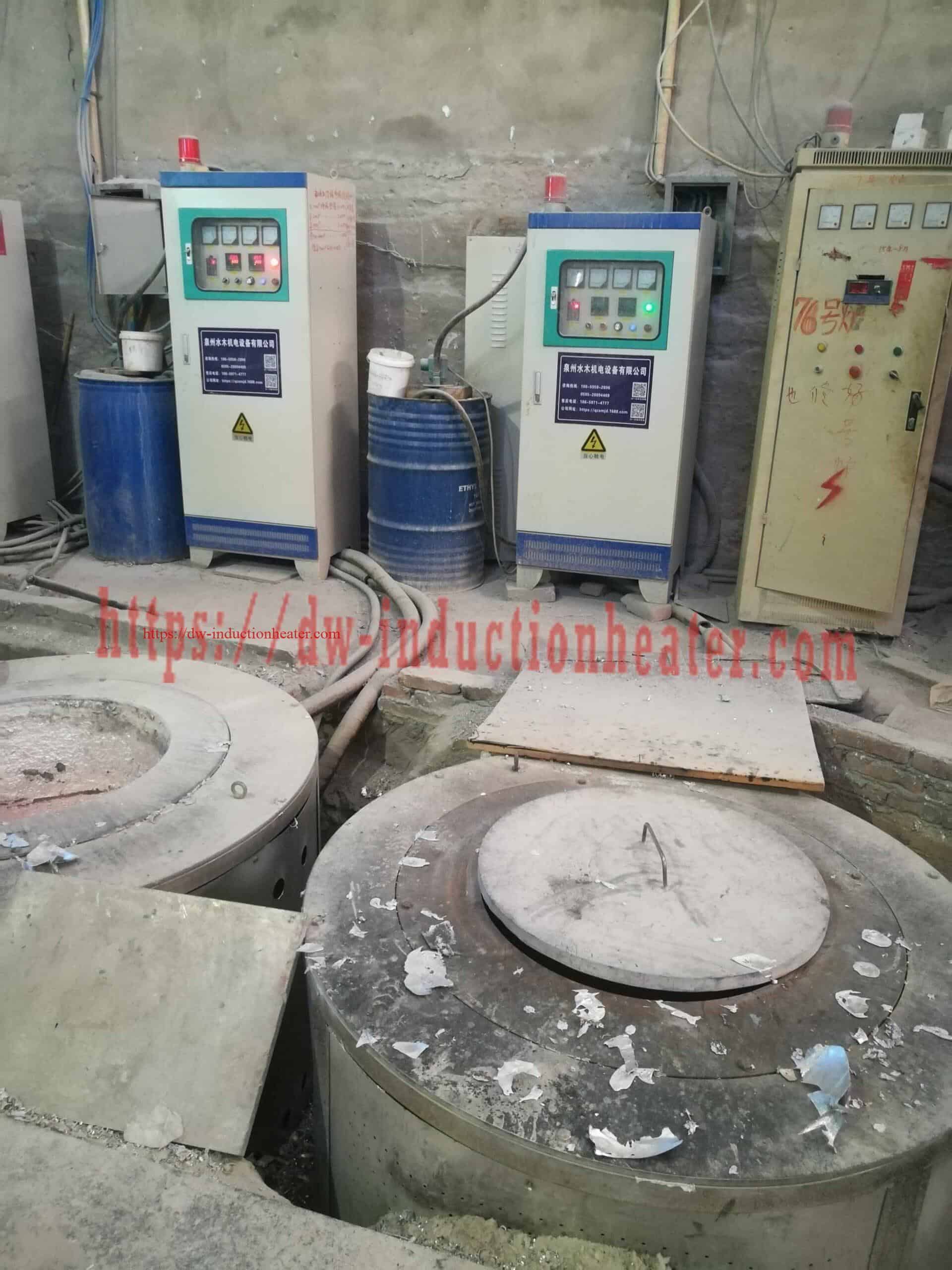
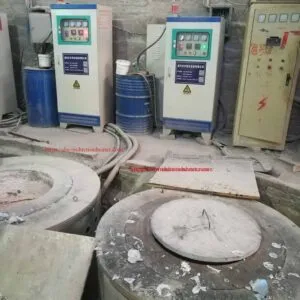
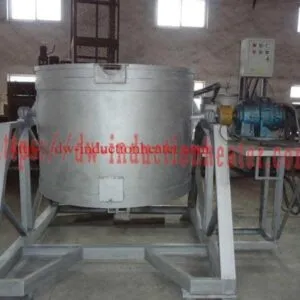
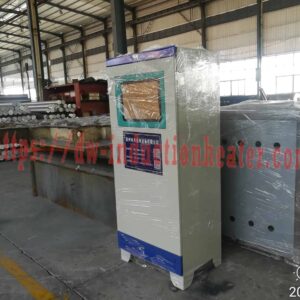
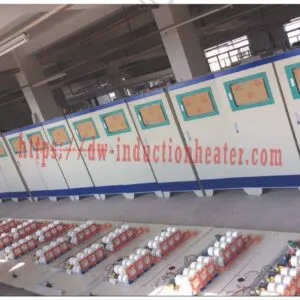
A complete furnace is not just a melting vessel. It is a system built from eight main parts:
| Component | Function in the melting cycle |
|---|---|
| Induction power supply (IGBT medium frequency or KGPS/SCR type) | Converts three-phase mains electricity into the medium-frequency power that drives the coil |
| Capacitor cabinet | Reactive compensation and resonance matching with the coil circuit |
| Furnace body | Steel or aluminium shell that carries the lining and the coil |
| Induction coil | Water-cooled copper coil that produces the changing magnetic field |
| Crucible and lining | The vessel that holds the charge and is heated by the induced current |
| Hydraulic, gearbox or manual tilting | Moves the furnace to pour the melt |
| Water-cooled cable | Carries the medium-frequency current from the supply to the coil |
| Water distributor | Distributes cooling water over the coil and through the busbars |
One naming point is worth settling early, because the same machine appears under several names in search results. An Al melting furnace, an Al smelting furnace, an Al melting oven and an Al induction smelter on this site all refer to the same electric induction crucible furnace for aluminium, not to different technologies. The published capacity table uses the wording aluminium, aluminium alloy, aluminium scrap, aluminium slag and pop can for the aluminium duty. The distinction between a melting furnace and a primary metal smelter is explained on the aluminum smelter with induction heating page.
The naming variants used for this equipment map onto one machine. The table below states what each published name refers to and where the detailed treatment of that subject sits, so that a reader can move to the right page instead of comparing near-identical pages.
| Published name for this equipment | What it refers to | Where the detail sits |
|---|---|---|
| Al melting furnace / Al melting furnace with induction | The electric induction crucible furnace for aluminium, published as the SMJD series | This page: naming, published capacity and crucible data, melting cycle, plant layout, commercial terms |
| Al smelting furnace / Al induction smelter | The same machine; the published table uses aluminium, aluminium alloy, aluminium scrap, aluminium slag and pop can for the aluminium duty | Aluminum smelter with induction heating |
| Aluminum melting furnace | The same machine with the model-by-model capacity, electrical and crucible figures | Aluminum melting furnace |
| Aluminum melting induction furnace | The same machine described as the machine and its casting cycle | Aluminum melting induction furnace |
| Electric aluminum melting furnace | The same machine; the electricity-versus-gas wording is answered in the manual with a single word, electricity | Electric aluminum melting furnace |
| Aluminum scrap melting furnace | The same machine used for scrap remelting, with the feed classification and dross discipline | Aluminum scrap melting furnace |
| Aluminium melting furnace | The same machine under the UK spelling | Aluminium melting furnace |
| Induction melting aluminum | The small-batch laboratory and sample casting range below about 150 kg | Induction melting aluminum |
For a comparison of the same machine under different naming conventions on this site, see the aluminum melting furnace model data page and the aluminum melting induction furnace machine and casting cycle page.

Key Applications
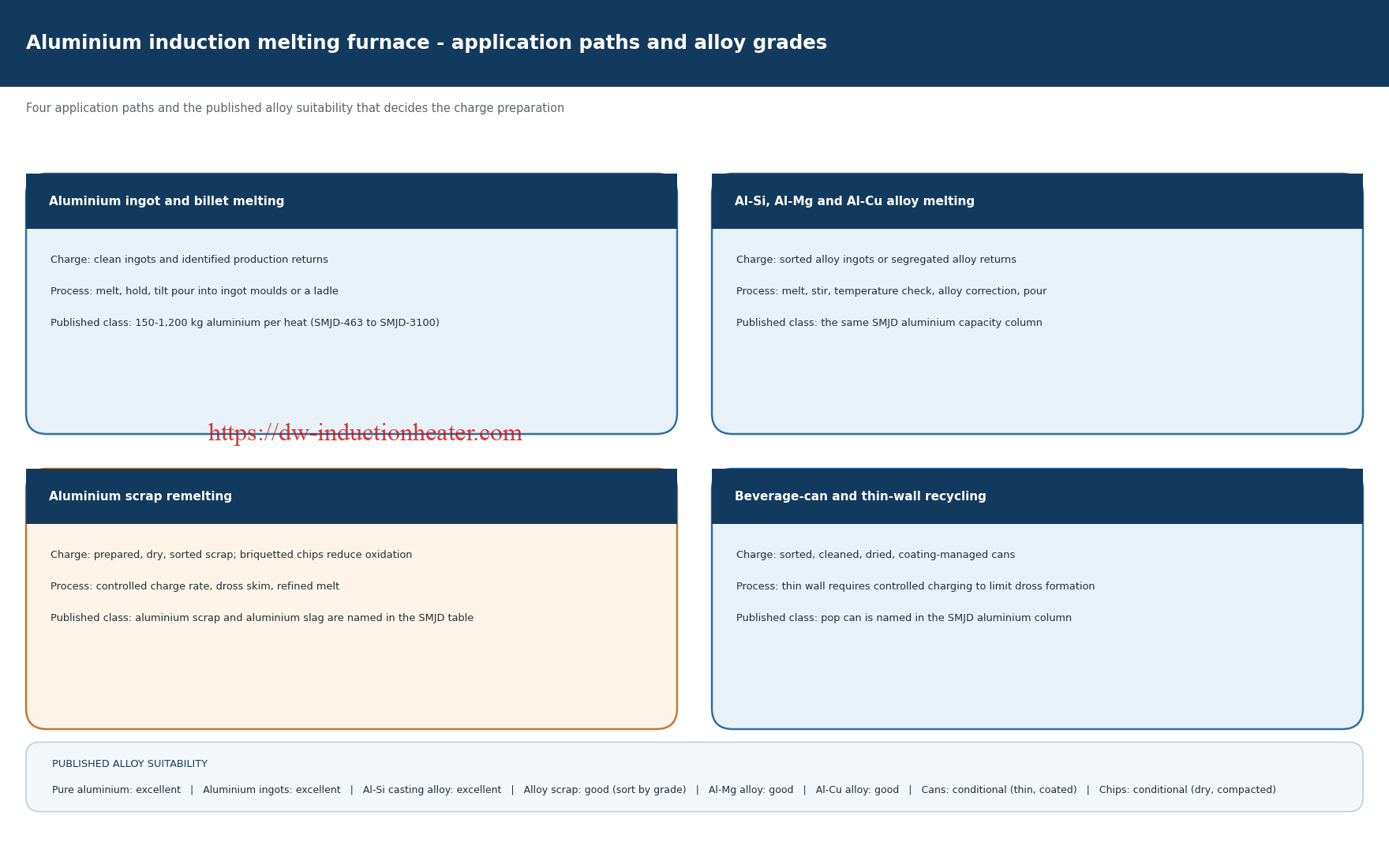
The published SMJD table names the aluminium duty as aluminium, aluminium alloy, aluminium scrap, aluminium slag and pop can. In practice the machine is used for the following four application paths.
| Application path | Charge | Process | Published capacity class |
|---|---|---|---|
| Aluminium ingot and billet melting | Clean ingots and identified production returns | Melt, hold, tilt pour into ingot moulds or into a ladle | 150 to 1,200 kg aluminium per heat, SMJD-463 to SMJD-3100 |
| Alloy melting (Al-Si, Al-Mg, Al-Cu) | Sorted alloy ingots or segregated alloy returns | Melt, stir, temperature check, alloy correction, pour | The same SMJD aluminium column |
| Aluminium scrap remelting | Prepared, dry, sorted scrap; briquetted chips | Controlled charge rate, dross skim, refined melt | Aluminium scrap and aluminium slag are named in the SMJD table |
| Beverage can and thin-wall recycling | Sorted, cleaned, dried, coating-managed cans | Controlled charging to limit dross formation | Pop can is named in the SMJD aluminium column |
For the wider aluminium furnace family on this site, the aluminum scrap melting furnace page covers charge classification, preparation and dross behaviour for remelting work, and the aluminum smelter with induction heating page explains what the word smelter means for this equipment.
Suitable Materials
The suitability grading below is HLQ’s published grading for aluminium charges. It decides how much preparation a charge needs before it is safe and economical to melt.
| Charge material | Published suitability | Selection consideration |
|---|---|---|
| Pure aluminium | Excellent | Easy to melt, good fluidity |
| Aluminium ingots | Excellent | Recommended feedstock, stable melting and predictable composition |
| Al-Si casting alloy | Excellent | Die casting, automotive parts and general casting |
| Aluminium alloy scrap | Good | Must be sorted by alloy grade to avoid composition instability |
| Al-Mg alloy | Good | Temperature control and fluxing reduce oxidation and burning loss |
| Al-Cu alloy | Good | Temperature uniformity and mixing matter for stable casting quality |
| Aluminium cans | Conditional | Thin and coated; clean, dry and charge carefully |
| Aluminium chips | Conditional | Dry and compacted; oil, water and cutting fluid removed |
Named alloys include ADC12, A356, 6061 and 7075. The published aluminium melting point is 660.32 °C (1,220.6 °F) and the published melt range is 680 to 760 °C. Briquetting or pre-compaction is recommended for chips to improve yield and reduce oxidation.
Two rules matter more than any table. Keep all aluminium charge dry, because moisture, sealed containers, oil and trapped liquid in contact with molten aluminium can cause a violent explosion. And keep alloys separated, because an unsorted alloy charge produces an unstable chemical composition that no amount of furnace power can correct afterwards. For small laboratory and sample batches below about 150 kg, HLQ publishes a separate small-batch range described on the induction melting aluminum page.
Working Principle
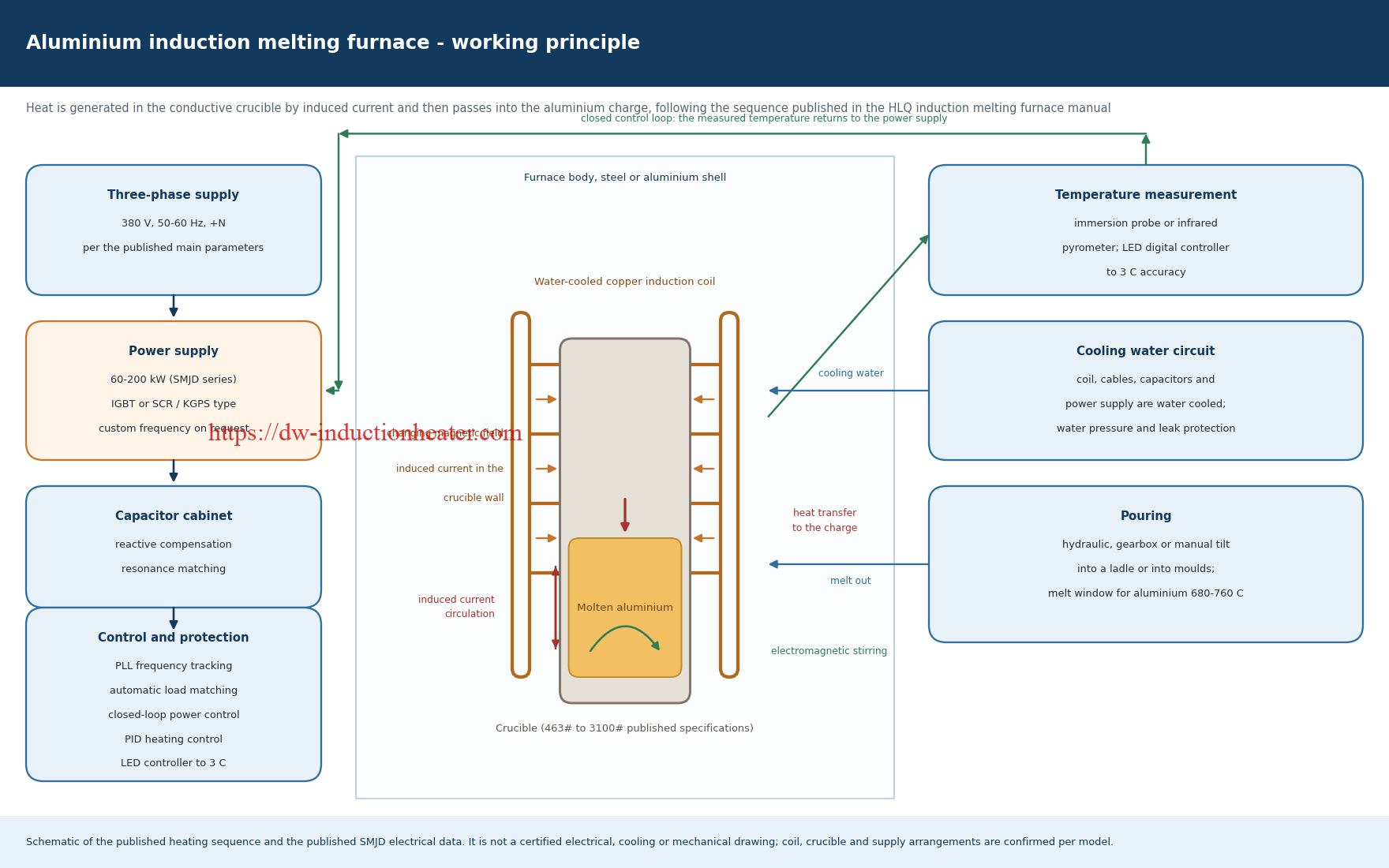
The heating sequence published in the HLQ induction melting furnace manual runs as follows. The internal rectifier and filter circuit converts AC power into DC. The control circuit converts that DC into high-frequency magnetic energy. A high-speed changing current in the coil produces a high-speed changing magnetic field. When the magnetic field lines pass through the crucible, numerous small eddy currents are generated inside the crucible, so the crucible itself is heated at high speed, and the heat is transferred to the aluminium alloy until it becomes liquid.
Two consequences follow from this. First, the coil does not have to be close to the melt and does not have to be replaced when the metal chemistry changes. Second, because aluminium is not magnetic, there is no hysteresis heating as there is in steel; the heat comes from induced current and from the resistance of the heated body itself.
The published frequency per metal is gold 1 to 80 kHz, aluminium 0.5 to 20 kHz, copper 0.25 to 8 kHz, and iron and steel 0.5 to 2.5 kHz. The SMJD series is published with an oscillation frequency of 1 to 100 kHz and a custom frequency according to customer request. The lower the frequency, the deeper the current path and the stronger the stirring; the higher the frequency, the shallower the current path and the weaker the stirring. Published skin-depth figures for aluminium are:
| Frequency | Published skin depth in aluminium |
|---|---|
| 4 kHz | about 4.0 mm |
| 10 kHz | about 2.5 mm |
| 20 kHz | about 1.8 mm |
| 80 kHz | about 0.9 mm |

Technical Specifications
The published SMJD capacity table lists 13 configurations. The aluminium column is the third numeric column. Read the maximum temperature as the furnace rating of 1,800 °C, not as an aluminium melt temperature.
| Model | Input power (kW) | Aluminium, aluminium alloy, aluminium scrap, aluminium slag, pop can (kg) | Steel and stainless steel (kg) | Copper, gold, silver with scrap and slag (kg) | Max temperature |
|---|---|---|---|---|---|
| SMJD-463 | 60 | 200 | 200 | 500 | 1,800 °C |
| SMJD-480 | 60 | 150 | 150 | 500 | 1,800 °C |
| SMJD-580 | 80 | 200 | 200 | 600 | 1,800 °C |
| SMJD-600 | 60 | 230 | 230 | 560 | 1,800 °C |
| SMJD-900 | 120 | 300 | 300 | 900 | 1,800 °C |
| SMJD-905 | 80 | 300 | 300 | 900 | 1,800 °C |
| SMJD-1250 | 80 | 400 | 400 | 1,200 | 1,800 °C |
| SMJD-1250 | 120 | 450 | 450 | 1,350 | 1,800 °C |
| SMJD-1500 | 120 | 500 | 500 | 1,500 | 1,800 °C |
| SMJD-1550 | 120 | 520 | 520 | 1,560 | 1,800 °C |
| SMJD-1700 | 160 | 600 | 600 | 1,700 | 1,800 °C |
| SMJD-2300 | 160 | 800 | 800 | 2,000 | 1,800 °C |
| SMJD-3100 | 200 | 1,200 | 1,200 | 3,000 | 1,800 °C |
The published main technical parameters of the SMJD series are output power 60 to 200 kW, input current 90 to 300 A, three-phase 380 V at 50 to 60 Hz with neutral, and an oscillation frequency of 1 to 100 kHz with a custom frequency according to customer request.
| Model | Output power (kW) | Input current (A) | Input voltage | Oscillation frequency |
|---|---|---|---|---|
| SMJD-463 | 60 | 90 | 3-phase 380 V, 50-60 Hz +N | 1-100 kHz, custom on request |
| SMJD-480 | 60 | 90 | 3-phase 380 V, 50-60 Hz +N | 1-100 kHz, custom on request |
| SMJD-580 | 80 | 120 | 3-phase 380 V, 50-60 Hz +N | 1-100 kHz, custom on request |
| SMJD-600 | 60 | 90 | 3-phase 380 V, 50-60 Hz +N | 1-100 kHz, custom on request |
| SMJD-900 | 120 | 180 | 3-phase 380 V, 50-60 Hz +N | 1-100 kHz, custom on request |
| SMJD-905 | 80 | 120 | 3-phase 380 V, 50-60 Hz +N | 1-100 kHz, custom on request |
| SMJD-1250 | 80 | 120 | 3-phase 380 V, 50-60 Hz +N | 1-100 kHz, custom on request |
| SMJD-1250 | 120 | 180 | 3-phase 380 V, 50-60 Hz +N | 1-100 kHz, custom on request |
| SMJD-1500 | 120 | 180 | 3-phase 380 V, 50-60 Hz +N | 1-100 kHz, custom on request |
| SMJD-1550 | 120 | 180 | 3-phase 380 V, 50-60 Hz +N | 1-100 kHz, custom on request |
| SMJD-1700 | 160 | 240 | 3-phase 380 V, 50-60 Hz +N | 1-100 kHz, custom on request |
| SMJD-2300 | 160 | 240 | 3-phase 380 V, 50-60 Hz +N | 1-100 kHz, custom on request |
| SMJD-3100 | 200 | 300 | 3-phase 380 V, 50-60 Hz +N | 1-100 kHz, custom on request |
Note that the capacity table labels the same quantity as input power while the main parameter table calls it output power. The listed current is an input figure. Do not use the published current alone to size the transformer, the cable or the breaker; confirm the installation figures with the manufacturer for the actual power factor and the selected configuration.
Crucible specification
The published crucible specification is listed below. The upper mouth outer diameter (A) is given with a tolerance of ±10 mm, the upper mouth inner diameter (B) with ±5 mm, the bottom outer diameter (C) with ±10 mm and the total height (H) with ±10 mm.
| Type | Specification | A upper mouth outer (mm) | B upper mouth inner (mm) | C bottom outer (mm) | H total height (mm) |
|---|---|---|---|---|---|
| SMJD-463 | 463# | 565 | 500 | 310 | 617 |
| SMJD-480 | 480# | 510 | 420 | 400 | 710 |
| SMJD-580 | 580# | 420 | 360 | 300 | 840 |
| SMJD-600 | 600# | 620 | 525 | 620 | 470 |
| SMJD-900 | 900# | 520 | 425 | 510 | 960 |
| SMJD-905 | 905# | 620 | 530 | 620 | 650 |
| SMJD-1250 | 1250# | 620 | 535 | 620 | 850 |
| SMJD-1500 | 1500# | 735 | 640 | 460 | 900 |
| SMJD-1550 | 1550# | 775 | 682 | 400 | 750 |
| SMJD-1700 | 1700# | 610 | 500 | 610 | 1,200 |
| SMJD-2300 | 2300# | 880 | 775 | 355 | 1,000 |
| SMJD-3100 | 3100# | 780 | 645 | 780 | 1,400 |
One published detail is easy to miss: the SMJD-1250 appears twice in the table, once at 80 kW and once at 120 kW, while the crucible table lists only one 1250# vessel. The two power ratings therefore share the same crucible and differ in the power supply. Ask the manufacturer which configuration a quotation covers.

Recommended Model Selection
Start from the charge. The published aluminium capacity sets the size of the heat, and the crucible dimensions set what physically fits through the mouth. Use the table below as a starting point and confirm the final selection against your own charge basket size, charge density and alloy mix.
| Your charge per heat | Model candidates (published aluminium capacity) | Published power / current | Crucible mouth inner Ø B (mm) | Crucible height H (mm) |
|---|---|---|---|---|
| Up to 150 kg | SMJD-480 (150 kg) | 60 kW / 90 A | 420 | 710 |
| Up to 200 kg | SMJD-463 (200 kg), SMJD-580 (200 kg) | 60 kW / 90 A, 80 kW / 120 A | 500, 360 | 617, 840 |
| Up to 230 kg | SMJD-600 (230 kg) | 60 kW / 90 A | 525 | 470 |
| Up to 300 kg | SMJD-900 (300 kg), SMJD-905 (300 kg) | 120 kW / 180 A, 80 kW / 120 A | 425, 530 | 960, 650 |
| Up to 400 kg | SMJD-1250 (80 kW version, 400 kg) | 80 kW / 120 A | 535 | 850 |
| Up to 450 kg | SMJD-1250 (120 kW version, 450 kg) | 120 kW / 180 A | 535 | 850 |
| Up to 520 kg | SMJD-1500 (500 kg), SMJD-1550 (520 kg) | 120 kW / 180 A | 640, 682 | 900, 750 |
| Up to 600 kg | SMJD-1700 (600 kg) | 160 kW / 240 A | 500 | 1,200 |
| Up to 800 kg | SMJD-2300 (800 kg) | 160 kW / 240 A | 775 | 1,000 |
| Up to 1,200 kg | SMJD-3100 (1,200 kg) | 200 kW / 300 A | 645 | 1,400 |
Two points to settle before ordering. First, the model numbers are not a monotonic size scale: the SMJD-480 is the smallest aluminium heat in the range at 150 kg, and the SMJD-600 gives a larger aluminium capacity than the SMJD-580 while drawing less power. Select on capacity and crucible mouth diameter, not on the number. Second, the kilogram figures are charge capacities per heat, not hourly production rates.
For heats above the SMJD range, HLQ publishes a separate hydraulic tilting induction furnace range with its own power and melting-time figures. This is a different product family and should not be read as SMJD data:
| Capacity | Recommended power | Approximate melting time per batch | Typical application |
|---|---|---|---|
| 50 kg | 30-80 kW | 20-60 min | Lab, small casting |
| 100 kg | 60-120 kW | 30-70 min | Small foundry |
| 250 kg | 120-250 kW | 40-90 min | Medium casting |
| 500 kg | 250-500 kW | 45-100 min | Industrial foundry |
| 1,000 kg | 500-1,000 kW | 60-120 min | Large production |
| 2,000 kg | 1,000-1,600 kW | 90-150 min | Heavy foundry |
| 3,000 kg | 1,500-2,500 kW | 100-180 min | High-capacity melting |
For the small DW-MF series below 100 kg of aluminium per heat, HLQ publishes a separate table of melting ability per model:
| Model | Max input power | Aluminium melting ability | Weight |
|---|---|---|---|
| DW-MF-15 | 15 kW | 3 kg | 50 kg |
| DW-MF-25 | 25 kW | 6 kg | 50 kg |
| DW-MF-35 | 35 kW | 12 kg | 65 kg |
| DW-MF-45 | 45 kW | 21 kg | 70 kg |
| DW-MF-70 | 70 kW | 30 kg | 80 kg |
| DW-MF-90 | 90 kW | 40 kg | 94 kg |
| DW-MF-110 | 110 kW | 50 kg | 114 kg |
| DW-MF-160 | 160 kW | 75 kg | 145 kg |
The DW-MF series is published with an oscillation frequency of 1 to 20 kHz, normally 4, 8, 11, 15 or 20 kHz according to the application, a desired input of 3 × 380 V ±20 % at 50 or 60 Hz, and a duty cycle of 100 % over 24 hours. The published melting time is 30 to 50 minutes for the first melt of a cold furnace and about 20 to 30 minutes when the furnace is already hot.

Process Workflow
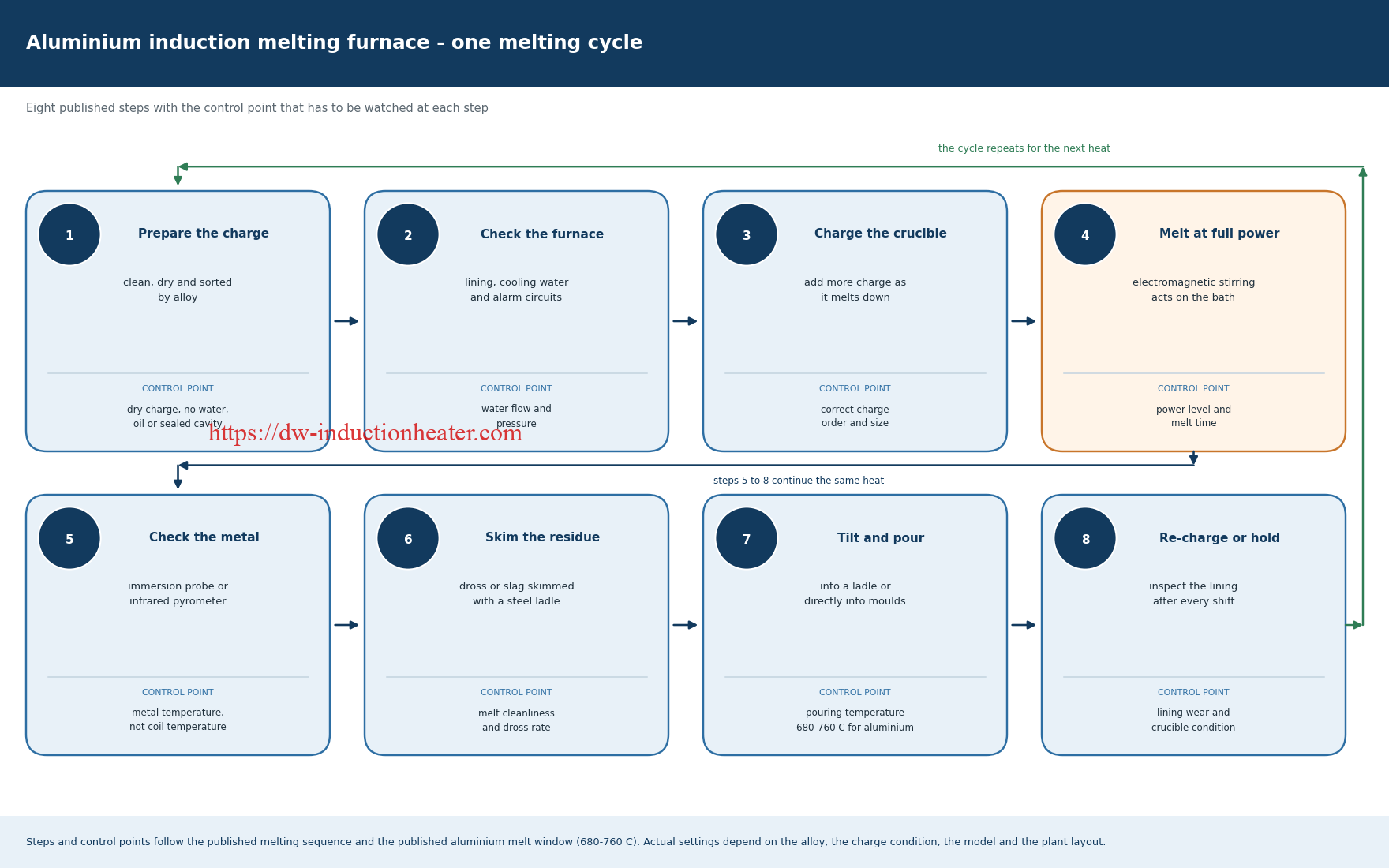
One heat runs through eight steps. Each step has one control point that decides whether the next step can start safely.
Step by step:
- Prepare the charge. Clean, dry and sort the charge by alloy. Nothing wet, oily or sealed goes into the crucible.
- Check the furnace. Inspect the lining and the crucible, confirm cooling water flow and pressure, and confirm the alarm circuits are healthy.
- Charge the crucible. Add the charge in the correct order and add more charge as it melts down, so the bath is never left empty and the crucible is not cooled by a cold mass.
- Melt at full power. The induced current heats the crucible and the electromagnetic field stirs the bath. Power level and melt time are the control points here.
- Check the metal temperature. Use an immersion probe or an infrared pyrometer on the metal, not on the coil. For aluminium the published melt window is 680 to 760 °C.
- Skim the residue. Remove dross and slag with a steel ladle. Melt cleanliness and the dross rate are the control points.
- Tilt and pour. Pour into a ladle or directly into moulds at the pouring temperature agreed for the alloy.
- Re-charge or hold. Inspect the lining and the crucible condition after every shift; the lining wear rate is the control point.
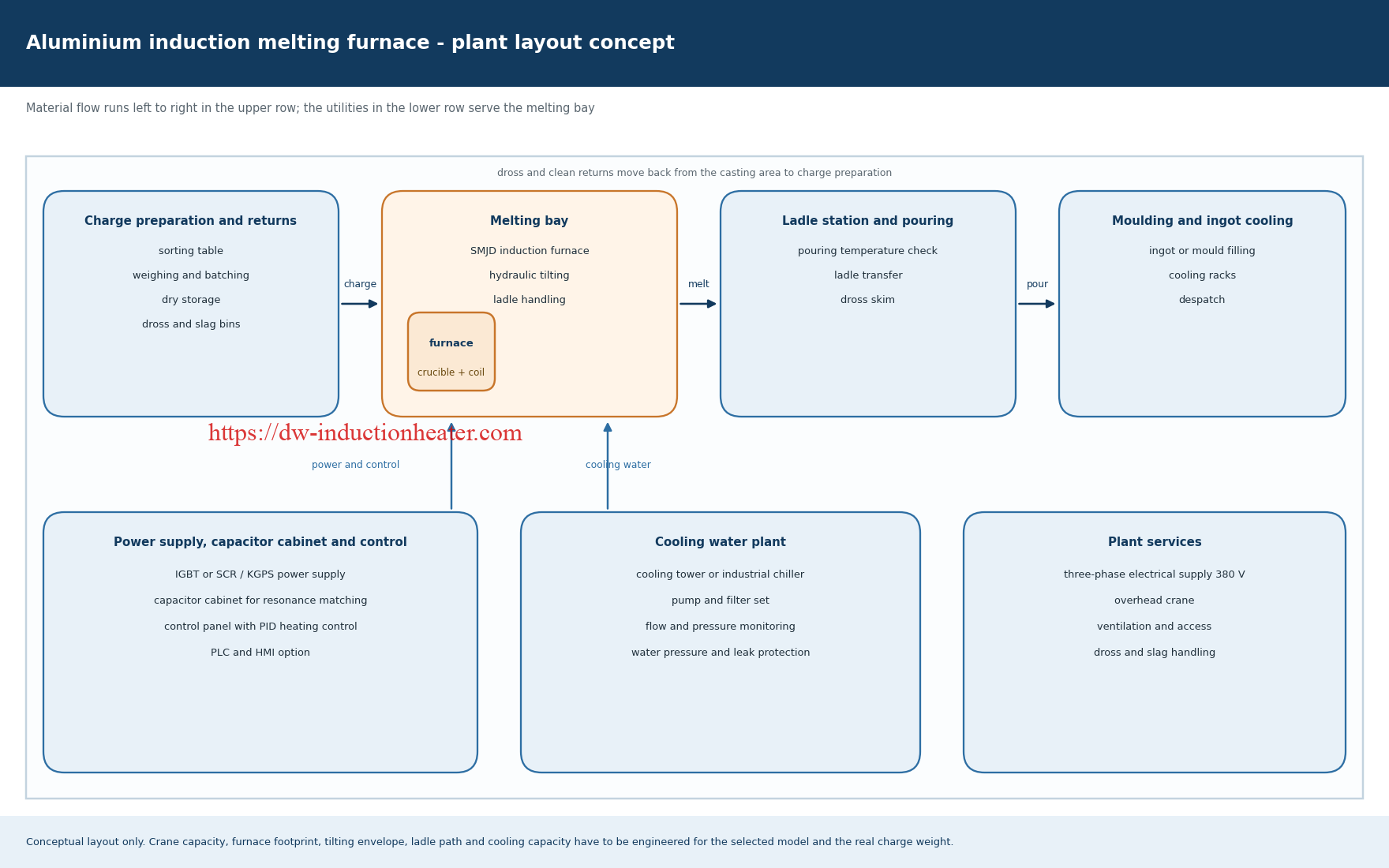
For plants with a defined hourly output, the published layout keeps material moving in one direction: charge preparation and returns, the melting bay, the ladle station and pouring, then moulding and ingot cooling, with dross and clean returns travelling back to charge preparation. The utilities serve the melting bay from below.
Common Problems and Solutions
| Problem | Possible cause | Engineering solution |
|---|---|---|
| Melting speed is too slow | Power too low, charge too large, poor crucible condition or low coupling efficiency | Increase power, optimize charge size, check the crucible and confirm the correct furnace capacity |
| Excessive dross formation | Overheating, dirty scrap, thin aluminium cans, excessive stirring or long holding time | Control temperature, clean and sort the scrap, reduce holding time and use proper fluxing practice |
| Crucible cracks | Thermal shock, poor preheating, mechanical impact or the wrong crucible material | Preheat gradually, avoid dropping charge, select the correct crucible and follow the supplier instructions |
| Coil overheating | Insufficient cooling water, scale blockage, pump failure or high inlet temperature | Check the flow rate, clean the cooling circuit, maintain the pump and use a closed-loop cooling system |
| Temperature is unstable | Poor temperature measurement, unstable power, uneven charging or excessive heat loss | Use a reliable temperature probe, stabilize the power supply, improve insulation and standardize charging |
| Molten aluminium contamination | Mixed scrap, dirty charge, wrong flux, damaged crucible or tool contamination | Sort materials, clean the charge, use dedicated tools and maintain the crucible condition |
| Hydraulic tilting is not smooth | Air in the hydraulic system, cylinder leakage, poor alignment or overload | Bleed the hydraulic system, check the seals, align the tilting shaft and avoid overfilling the furnace |
| Machine alarms during operation | Water shortage, overcurrent, overvoltage, overheating or a loose connection | Check the cooling water, the electrical connections, the load condition and the protection settings |
The published protection set for this equipment covers over-voltage, under-voltage, phase loss, over-current and over-heat, with real-time parameter display, fault diagnosis and an alarm, plus a leakage alarm that cuts the power supply.

Engineering Selection Guide
Selecting an Al melting furnace with induction requires a full engineering review. Do not choose on batch capacity alone. The correct machine depends on the required hourly output, the aluminium type, the melting temperature, the available power, the pouring method and the operation skill level.
1. Define the required melting capacity
There are two different capacity concepts: batch capacity and hourly melting rate. A 300 kg furnace does not automatically mean 300 kg per hour. The hourly capacity depends on power, charging time, melting time, dross removal, temperature adjustment and the pouring cycle.
2. Calculate the required power
The theoretical energy to heat and melt aluminium includes the sensible heat from ambient temperature to the melting point, the latent heat of fusion and the superheat to the pouring temperature. The published theoretical heat content of aluminium to 720 °C is about 0.30 kWh/kg. The published practical consumption reference for aluminium is about 500 to 780 kWh per tonne; steel is published at 560 to 900, cast iron at 550 to 850 and copper at 310 to 500 kWh per tonne. In real production, furnace efficiency, crucible loss, dross loss and holding time must be added, and an additional margin is recommended for industrial design.
| Charge type | Published power density |
|---|---|
| Rapid batch ingot melting | 450-600 kW per tonne |
| Standard mixed charge | 350-450 kW per tonne |
| Scrap remelting | 300-400 kW per tonne |
| Continuous casting | 250-350 kW per tonne |
| Holding | 100-200 kW per tonne |
3. Choose the correct furnace structure
A fixed furnace suits small batches and manual ladling. A manual or gearbox tilting furnace suits small-to-medium pouring. A hydraulic tilting furnace is recommended for larger batches, safer pouring and better control. For high-volume production, two furnaces are often used alternately, one melting while the other pours or holds.
| Furnace size tier | Capacity | Power supply | Tilting | Cooling | Control |
|---|---|---|---|---|---|
| Small | 50-250 kg | IGBT / medium frequency | Hydraulic | Water cooling | Manual or digital |
| Medium | 500-1,000 kg | IGBT or SCR | Hydraulic | Closed-loop water cooling | Digital |
| Large | 2,000-3,000 kg or more | SCR / high-power MF | Heavy-duty hydraulic | Industrial cooling system | PLC automatic |
4. Select the right crucible
Graphite crucibles are common for aluminium melting, but the correct grade must be selected. Low-quality crucibles crack, oxidize or contaminate the melt. For larger furnaces, a refractory lining design may be more suitable. Use the published crucible dimensions to check that the charge physically fits through the mouth.
5. Confirm the factory power supply
Before purchasing, confirm transformer capacity, cable size, voltage, frequency and the power distribution. Large induction furnaces need a strong electrical infrastructure, and power factor correction or a special transformer arrangement may be required for some projects.
6. Plan the cooling water system
Cooling water is not optional. The induction coil, capacitors, cables and power supply must be cooled reliably. A closed cooling tower or an industrial chiller is recommended to avoid scale, corrosion and unstable water temperature.
7. Evaluate safety and environment
Although induction melting has no open flame, molten aluminium is still hazardous. The system should include dry charging procedures, operator protection, an emergency stop, a hydraulic safety lock, spill protection and ventilation for flux fumes. A full engineering selection reference is published separately on the induction aluminum melting furnace for aluminum melting and recycling page.

Advantages and Limitations
Published advantages
- High efficiency. Induction power transfers heat to the furnace in a short time.
- Energy saving. The published manual states a saving of 20 to 30 % compared with traditional gas and oil melting. The published product page states a saving of 20 to 40 % compared with a diesel-fired workshop furnace. Both figures are published by HLQ; confirm the applicable figure for the fuel you are replacing.
- Easy and safe to use. An all-round indicator light controller is easier and safer for the operator.
- Stable in use. The published range is tested at every level, which reduces the failure rate.
- Environmentally friendly. Electricity-powered, with no air pollution, no dust and little noise.
- Easy to install. Portable, and it saves floor space.
Further published benefits
- No open flame, less smoke and a better workshop environment.
- Lower oxidation and less dross than flame heating when the charge and the melt time are controlled properly.
- Electromagnetic stirring evens out the bath temperature and the composition.
- Electronic power control with a PID heating system and an LED digital temperature controller accurate to 3 °C.
- Automatic load impedance matching with digital phase-locked loop frequency tracking, and closed-loop power control.
- A monolithic polycrystalline mullite fibre lining rated above 1,200 °C, with good insulation, low energy consumption and a small footprint.
- 100 % load duration, so the furnace can run at full power for 24 hours.
- Simple operation, with the power adjustable to the work.
Limitations
- Higher initial investment than a simple gas furnace.
- Electrical capacity required. The site must have the transformer and power supply capacity for the furnace.
- Cooling water required for the coil, capacitors, cables and power supply.
- Crucible life management. The crucible needs correct preheating, charging and maintenance.
- Charge quality matters. Wet, oily or contaminated scrap is both a safety and a quality problem.
- Not ideal for unsorted scrap, because mixed alloy scrap produces an unstable chemical composition.
- Operator training required. Incorrect charging, overheating or pouring reduces yield and safety.
The electrical and energy side of this equipment, the power supply architecture and the plant utilities, are covered on a separate electric aluminum melting furnace page linked in the related products list below.

Why Choose HLQ?
HLQ Induction Equipment has 25 years of experience in the research and development, design and production of high frequency and medium frequency induction heating machines. Its leading products include IGBT medium frequency induction heating equipment, IGBT super-audio induction heating equipment, a CNC quenching machine tool, IGBT medium frequency induction melting furnaces, KGPS medium frequency induction melting furnaces, and open type and closed water cooling towers.
The published commercial and service terms for this equipment family are:
| Item | Published terms |
|---|---|
| Manufacturer | HLQ Induction Equipment Co., Ltd, branch Quanzhou Shuimu Induction Equipment Co., Ltd, Quanzhou National High & New Technology and Industrial Development Zone, No. 906 Zhaolian Industrial District, Beifeng Town, Quanzhou City, Fujian Province, China |
| Warranty | 12 months on the heating power from the date the contract is signed |
| Packaging | Film layer for waterproof, then a paper box, then a wooden case (standard exporting carton), then foam around the machine for shockproof |
| Shipping | Free to the buyer’s shipper in China, or direct to any main port of China |
| Storage | Clean and dry environment, -20 to 60 °C, humidity 0-95 % with no dew, away from corrosive gases and liquids |
| Factory test | Technical staff test and run the machine before shipment |
| Quality control | A QC team working to TQM, with photos and video available on request |
| After-sales | Engineers can be sent to the customer’s workshop for installation, debugging and training until the machine runs normal production |
| Power supply type | Electricity |
Related HLQ products
- Magnetic Induction Aluminum Melting Furnace, 300 kg, 500 kg
- 300 kg, 500 kg, 800 kg and 1,200 kg Melting Aluminium Induction Furnace
- Electric Mini Gold Melting Furnace
- Small Portable Gold Melting Furnace

6 Core FAQs
1. What capacity of aluminium can an Al melting furnace with induction melt per heat?
The published SMJD table lists aluminium capacities from 150 kg to 1,200 kg per heat, with power from 60 kW to 200 kW. The smallest published aluminium heat is the SMJD-480 at 150 kg and the largest is the SMJD-3100 at 1,200 kg. These are charge capacities per heat, not hourly production rates.
2. What temperature does the machine reach, and at what temperature is aluminium poured?
The published maximum furnace temperature is 1,800 °C. That is the furnace rating for the metal range in the table, not an aluminium setpoint. Aluminium melts at about 660 °C and HLQ publishes an aluminium melt range of 680 to 760 °C, with a temperature controller accurate to 3 °C.
3. Is this an electric furnace or a gas furnace?
It is electric. The published manual answers the question “Which kind of power supply do you supply, electricity or gas?” with a single word: electricity. The published main parameters are three-phase 380 V at 50 to 60 Hz with neutral, at 90 to 300 A input current for the SMJD range. Any comparison that treats “electric” and “induction” as two different melting technologies on this product is a naming convention, not a technical difference.
4. What does the furnace need from the site?
Three-phase electrical supply at the published voltage, a reliable closed-loop cooling water circuit for the coil, capacitors, cables and power supply, and adequate floor space for the furnace, the capacitor cabinet and the tilting envelope. A crane and a ventilated area for flux fumes are needed for the pouring and skimming stations. The layout concept in the process workflow section shows how these zones are arranged.
5. Which model should I choose for my aluminium charge?
Select on charge weight per heat and on crucible mouth diameter, not on the model number, because the numbering is not a monotonic size scale. Start from the model selection table in this page, then confirm the final choice with the manufacturer against your real charge basket size, charge density, alloy mix, melt rate and available power.
6. How do I quote and order this equipment?
Use the published reference documents on this page: the SMJD parameter sheet for capacities, electrical values and crucible dimensions, and the Aluminium, Copper and Iron induction melting furnace manual for the heating principle, advantages, packing, storage and warranty. The published terms are a 12-month warranty on the heating power from the contract signing date, film, paper box, wooden case and foam packaging, shipping free to the buyer’s shipper in China or direct to any main port of China, a factory test run by technical staff before shipment, and engineers available for installation, debugging and training on site. A further background document on secondary aluminium melting is published as the Aluminium Scraps Recycling Melting Process.