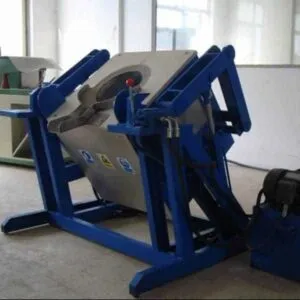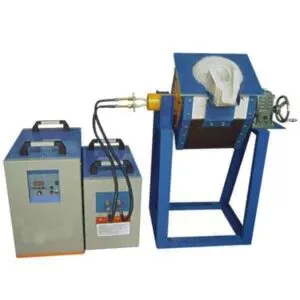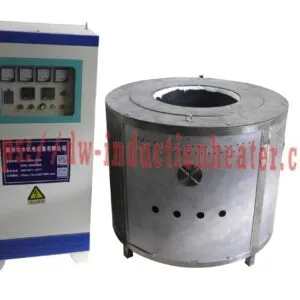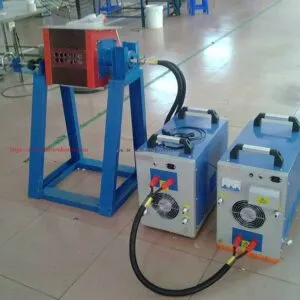

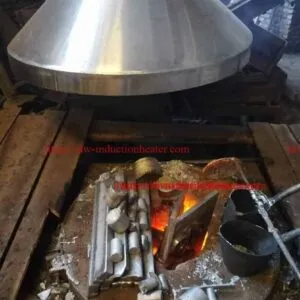


300kg|500kg|800kg|1200kg Melting Aluminium Induction Furnace
300 kg, 500 kg, 800 kg and 1200 kg Aluminium Induction Melting Furnace
Quick Answer
HLQ lists SMJD aluminium induction melting furnace configurations for 300 kg, 500 kg, 800 kg and 1200 kg capacities. The published 300 kg entries are SMJD-900 at 120 kW and SMJD-905 at 80 kW. The 500 kg, 800 kg and 1200 kg entries are SMJD-1500 at 120 kW, SMJD-2300 at 160 kW and SMJD-3100 at 200 kW.
These are listed aluminium capacities, not hourly output guarantees. The complete source table covers 150–1200 kg aluminium capacity and is retained below. Final selection requires the alloy, charge condition, usable melt quantity and complete production cycle.
Table of Contents
- What is the Aluminium Induction Melting Furnace?
- Key Applications
- Suitable Materials
- Working Principle
- Technical Specifications
- Recommended Model Selection
- Process Workflow
- Common Problems and Solutions
- Engineering Selection Guide
- Advantages and Limitations
- Why Choose HLQ?
- 6 Core FAQs
What is the Aluminium Induction Melting Furnace?
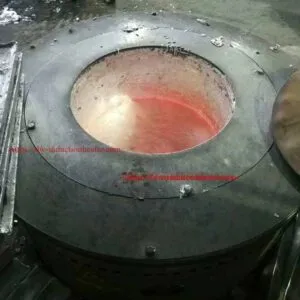
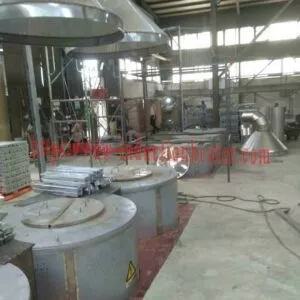
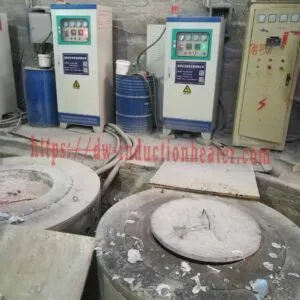
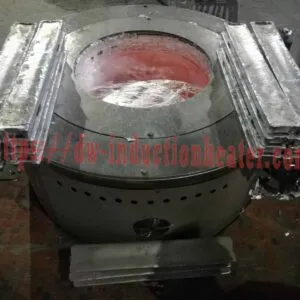
This electric furnace family combines an induction power supply, coil, crucible and controls for melting metallic aluminium and aluminium alloys. The four capacities in the page title identify selected entries within the wider SMJD table, rather than four uniquely named furnace models.
The linked manual describes induction heating of a conductive crucible followed by heat transfer to the aluminium. The supplied crucible material and heating arrangement require configuration confirmation.

Categories: Induction Melting Furnace, Aluminum Melting Furnace and Metal Melting Furnace.
Key Applications
- Melting identified aluminium and aluminium-alloy charge for casting.
- Remelting clean production returns while maintaining alloy separation.
- Evaluating prepared aluminium scrap for a defined metallic recovery process.
- Supplying molten aluminium to compatible receiving and pouring equipment.


Projects involving aluminium scrap and can melting require feed-specific preparation and acceptance criteria. The original page provides no verified customer case or measured recovery result; the application illustration shows conceptual examples.
Suitable Materials
| Feed | Source information | Selection requirement |
|---|---|---|
| Aluminium and aluminium alloys | Primary material group in the source table | Confirm alloy, charge size, usable fill and pouring requirements. |
| Clean production returns | Metallic aluminium remelting application | Keep alloys separated and verify dry charge and tools. |
| Scrap and cans | Named in the aluminium capacity heading | Assess coatings, contamination, bulk density, preparation and extraction. |
| Aluminium slag or dross | Named without a separate recovery specification | Establish recoverable metallic content and treatment route; no aluminium-oxide reduction process is specified. |
The capacities for other metals are retained for source completeness. They do not establish that one aluminium crucible and lining can process every metal listed.

Working Principle
Alternating current in the coil produces a changing magnetic field. In the crucible-heating route described by the SMJD manual, induced currents generate resistance heat in the conductive crucible, which transfers heat through its wall to the aluminium charge.
The induction heating principles explain why the coil, frequency and heated material must be matched. Direct coupling to the charge depends on the actual construction; the illustration is not a model-specific assembly drawing.
Technical Specifications
All original model rows and metal-capacity columns are retained below. Input currents come from the linked parameter sheet. The source capacity table calls the power “input power,” while its electrical table calls it “output power”; the confirmed rating must resolve this discrepancy.
| Model | Published power (kW) | Aluminium / alloy (kg) | Steel / stainless steel (kg) | Copper / gold / silver (kg) | Published input current (A) |
|---|---|---|---|---|---|
| SMJD-463 | 60 | 200 | 200 | 500 | 90 |
| SMJD-480 | 60 | 150 | 150 | 500 | 90 |
| SMJD-580 | 80 | 200 | 200 | 600 | 120 |
| SMJD-600 | 60 | 230 | 230 | 560 | 90 |
| SMJD-900 | 120 | 300 | 300 | 900 | 180 |
| SMJD-905 | 80 | 300 | 300 | 900 | 120 |
| SMJD-1250 | 80 | 400 | 400 | 1200 | 120 |
| SMJD-1250 | 120 | 450 | 450 | 1350 | 180 |
| SMJD-1500 | 120 | 500 | 500 | 1500 | 180 |
| SMJD-1550 | 120 | 520 | 520 | 1560 | 180 |
| SMJD-1700 | 160 | 600 | 600 | 1700 | 240 |
| SMJD-2300 | 160 | 800 | 800 | 2000 | 240 |
| SMJD-3100 | 200 | 1200 | 1200 | 3000 | 300 |
The original aluminium-column heading includes scrap, slag and cans without separate feed-specific capacities. Both SMJD-1250 entries are preserved; the source provides no distinguishing suffix.
| Item | Published information | Qualification |
|---|---|---|
| Supply | Three-phase 380 V, 50–60 Hz; “+N” also appears in the attachment | Confirm connection, neutral requirement and supply tolerance. |
| Oscillation frequency | 1–100 kHz, customized according to requirements | A stated customization range, not a verified full adjustment range for every model. |
| Shared maximum-temperature entry | 1800°C | Not an aluminium setpoint or a confirmed continuous limit for every crucible configuration. |
| Temperature control | PID and LED controller; accuracy described as up to 3°C | Sensor, measurement location, calibration and test conditions are unspecified. |
| Insulation | Polycrystalline mullite fiber; temperature described as above 1200 degrees | The wording does not establish a certified model-specific lining limit. |
| Duty statement | 100% load duration and 24-hour operation | Continuous-duty conditions are not defined by model. |
| Power and protection functions | IGBT devices, frequency tracking, impedance matching, closed-loop power control, voltage, phase-loss, overcurrent and overheating protection; leakage alarm and shutdown | Confirm the actual components, alarm meanings and interlocks. |
| Generic prose power range | 2–200 kW | The model table identifies 60–200 kW configurations, not a 2 kW model. |
| Energy-saving statements | Webpage: 20–40%; linked manual: 20–30% | No common test basis is provided; these are not guaranteed project savings. |
Crucible Dimensions from the Parameter Sheet
A is upper-mouth outside diameter, B upper-mouth inside diameter, C bottom outside diameter and H overall height. Dimensions are in mm. Published tolerances are A ±10 mm, B ±5 mm, C ±10 mm and H ±10 mm.
| Model | Crucible | A (mm) | B (mm) | C (mm) | H (mm) |
|---|---|---|---|---|---|
| SMJD-463 | 463# | 565 | 500 | 310 | 617 |
| SMJD-480 | 480# | 510 | 420 | 400 | 710 |
| SMJD-580 | 580# | 420 | 360 | 300 | 840 |
| SMJD-600 | 600# | 620 | 525 | 620 | 470 |
| SMJD-900 | 900# | 520 | 425 | 510 | 960 |
| SMJD-905 | 905# | 620 | 530 | 620 | 650 |
| SMJD-1250 | 1250# | 620 | 535 | 620 | 850 |
| SMJD-1500 | 1500# | 735 | 640 | 460 | 900 |
| SMJD-1550 | 1550# | 775 | 682 | 400 | 750 |
| SMJD-1700 | 1700# | 610 | 500 | 610 | 1200 |
| SMJD-2300 | 2300# | 880 | 775 | 355 | 1000 |
| SMJD-3100 | 3100# | 780 | 645 | 780 | 1400 |
These dimensions are not furnace footprint, working volume or installation clearances. Only one SMJD-1250 dimension row accompanies its two power/capacity entries.
Original resources: SMJD induction melting furnace parameter sheet and Aluminum, Copper and Iron Induction Melting Furnace manual.
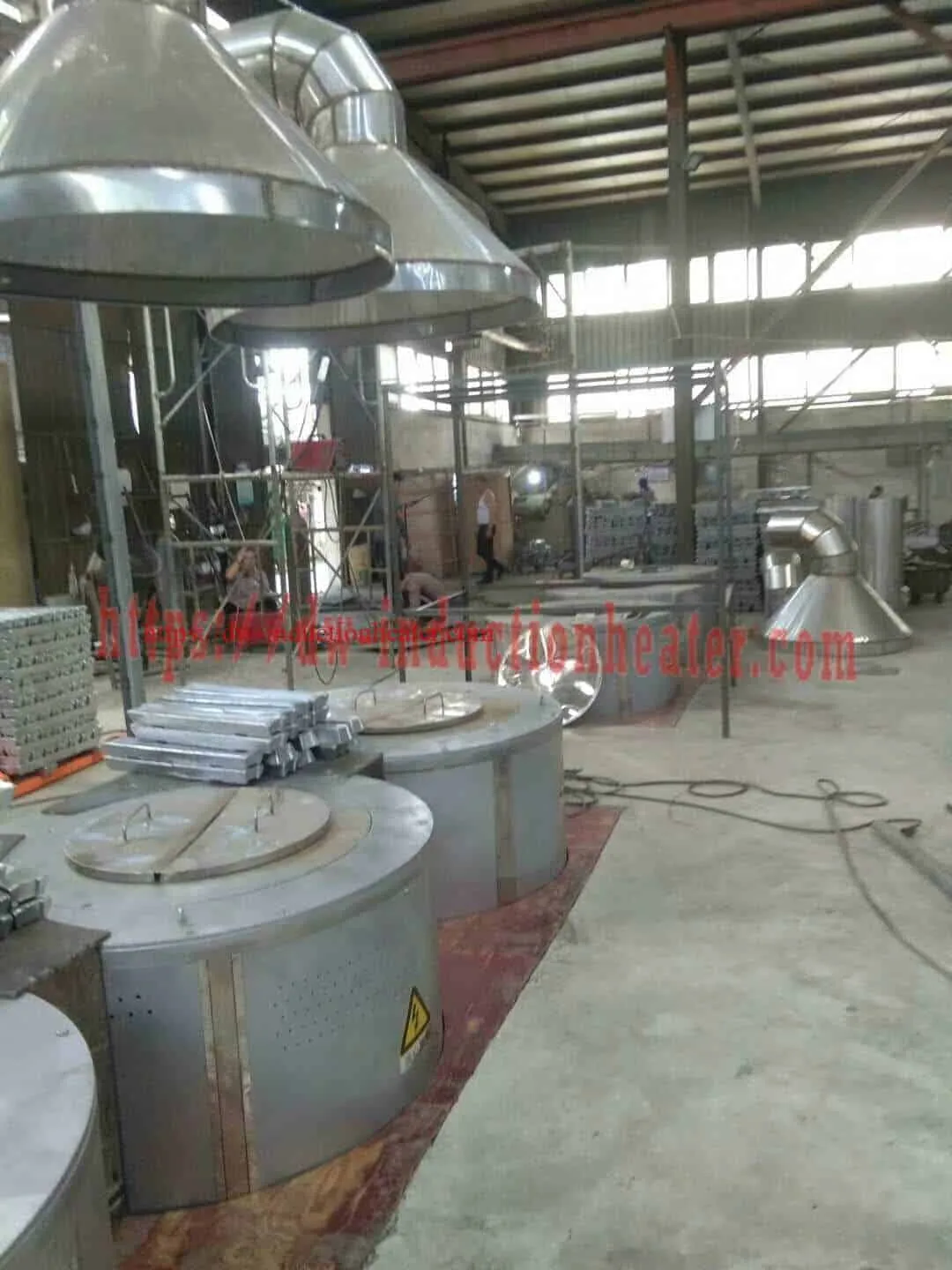
Recommended Model Selection
| Listed aluminium capacity (kg) | Model | Published power (kW) | Published current (A) | Calculated power-to-capacity ratio (W/kg) |
|---|---|---|---|---|
| 300 | SMJD-900 | 120 | 180 | 400 |
| 300 | SMJD-905 | 80 | 120 | 266.7 |
| 500 | SMJD-1500 | 120 | 180 | 240 |
| 800 | SMJD-2300 | 160 | 240 | 200 |
| 1200 | SMJD-3100 | 200 | 300 | 166.7 |
Calculation: published kW × 1000 ÷ listed aluminium kg, rounded to one decimal where needed. W/kg is an arithmetic comparison, not kWh/kg, efficiency or measured melting speed.
For 300 kg, compare the two listed power options against the required complete cycle. For 500 kg, 800 kg and 1200 kg, the matching entries above provide a starting point, not a production-rate guarantee. Compare related aluminium melting furnace specifications without combining ratings from unconfirmed configurations.
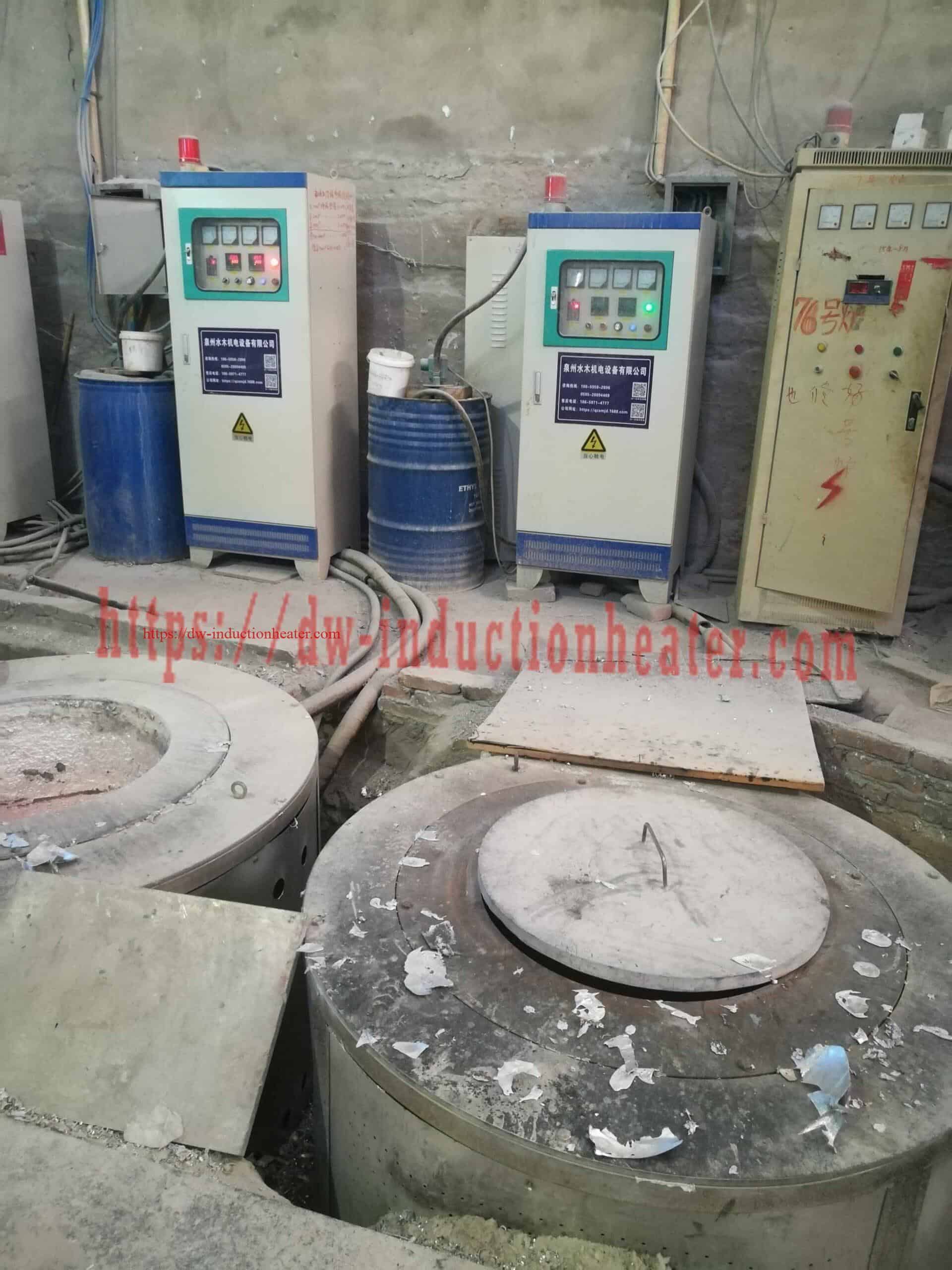
Process Workflow
- Identify and sort the metallic aluminium feed by alloy and condition.
- Prepare dry charge, tools and receiving equipment through the approved procedure.
- Inspect the crucible, insulation, connections, controls and required cooling.
- Charge and melt according to the approved furnace and crucible instructions.
- Verify temperature and melt quality; apply any necessary treatment through a separately approved process.
- Transfer the melt and record usable metal mass, complete cycle time and metered electricity.
This is a general workflow. Do not introduce wet charge into molten metal. Cans, fine scrap and dross require feed-specific evaluation rather than automatic use of the same melting recipe.
The original Aluminium Scraps Recycling Melting Process download is retained for background. Its rotary-furnace and laboratory results are not SMJD model performance data.
Common Problems and Solutions
| Problem | Review | Response |
|---|---|---|
| Cycle longer than required | Charge packing, usable fill, applied power, heat loss and holding time | Record a complete repeatable cycle before changing the selected model. |
| Low usable metal from scrap | Metallic fraction, coatings, oxides, contamination and residues | Characterize the feed and measure usable recovered metal separately from gross charge mass. |
| Temperature readings disagree | Sensor, measurement method, location and calibration | Verify measurement before changing the process setpoint. |
| Crucible wear or cracking | Compatibility, thermal cycling, support and charging impact | Remove damaged components from service and follow the approved inspection procedure. |
| Protection trip or overheating | Alarm code, cooling, connections, insulation and sensors | Follow the approved fault procedure; do not bypass interlocks. |
Review induction heating coil design together with the crucible, insulation and power supply. These components must form a compatible heating system.

Engineering Selection Guide
| Item | Required information | Source boundary |
|---|---|---|
| Charge | Alloy, dimensions, bulk density, dryness and contamination | Broad material names do not define an operating recipe. |
| Production | Usable melt mass, cycle, holding and pouring schedule | Listed kg capacity does not establish kg/h output. |
| Electrical supply | Reconciled input/output power, current, power factor and connection diagram | Published terminology and current need confirmation. |
| Crucible and temperature | Material, usable fill, temperature limit and service procedure | Dimensions do not establish operating limits. |
| Cooling | Flow, pressure, water quality, temperature limits and interlocks | No model-specific numerical cooling specification is given in the linked parameter table. |
| Layout | Floor loading, access, extraction, utilities and pouring envelope | No complete dimensioned installation plan is provided. |
For example, assuming a balanced three-phase supply with 380 V line voltage and 120 A line current, apparent power is √3 × 380 × 120 ÷ 1000 = approximately 79.0 kVA. This is below the listed 80 kW even at unity power factor before conversion losses. Confirm consistent ratings before supply-equipment selection.
| Metric | Calculation | Measurement requirement |
|---|---|---|
| Specific electricity use (kWh/kg) | Metered electricity ÷ usable recovered metal mass | Define cycle boundaries and inclusion of cooling or other auxiliaries. |
| Usable output (kg/h) | Usable recovered metal mass ÷ complete cycle hours | Include the agreed charging, melting, holding and transfer stages. |
| Gross-feed metal yield (%) | Usable recovered metal mass ÷ gross charged mass × 100 | Distinguish this from recovery relative to the feed’s metallic fraction. |
Advantages and Limitations
| Aspect | Potential benefit | Boundary |
|---|---|---|
| Electric induction heating | Controlled electrical heat input without an on-furnace combustion burner | Contaminated feed can still generate fumes. |
| Power and temperature controls | Adjustment and monitoring of melting conditions | Actual accuracy depends on the confirmed measurement system. |
| Crucible-based melting | A defined vessel for an identified alloy stream | Compatibility, inspection and maintenance remain necessary. |
| Capacity options | Several published power/capacity combinations | Capacity alone does not guarantee throughput, recovery or energy savings. |
A useful induction melting energy comparison uses equivalent feed, usable output and final melt conditions. Percentage savings require a defined baseline and measured results.
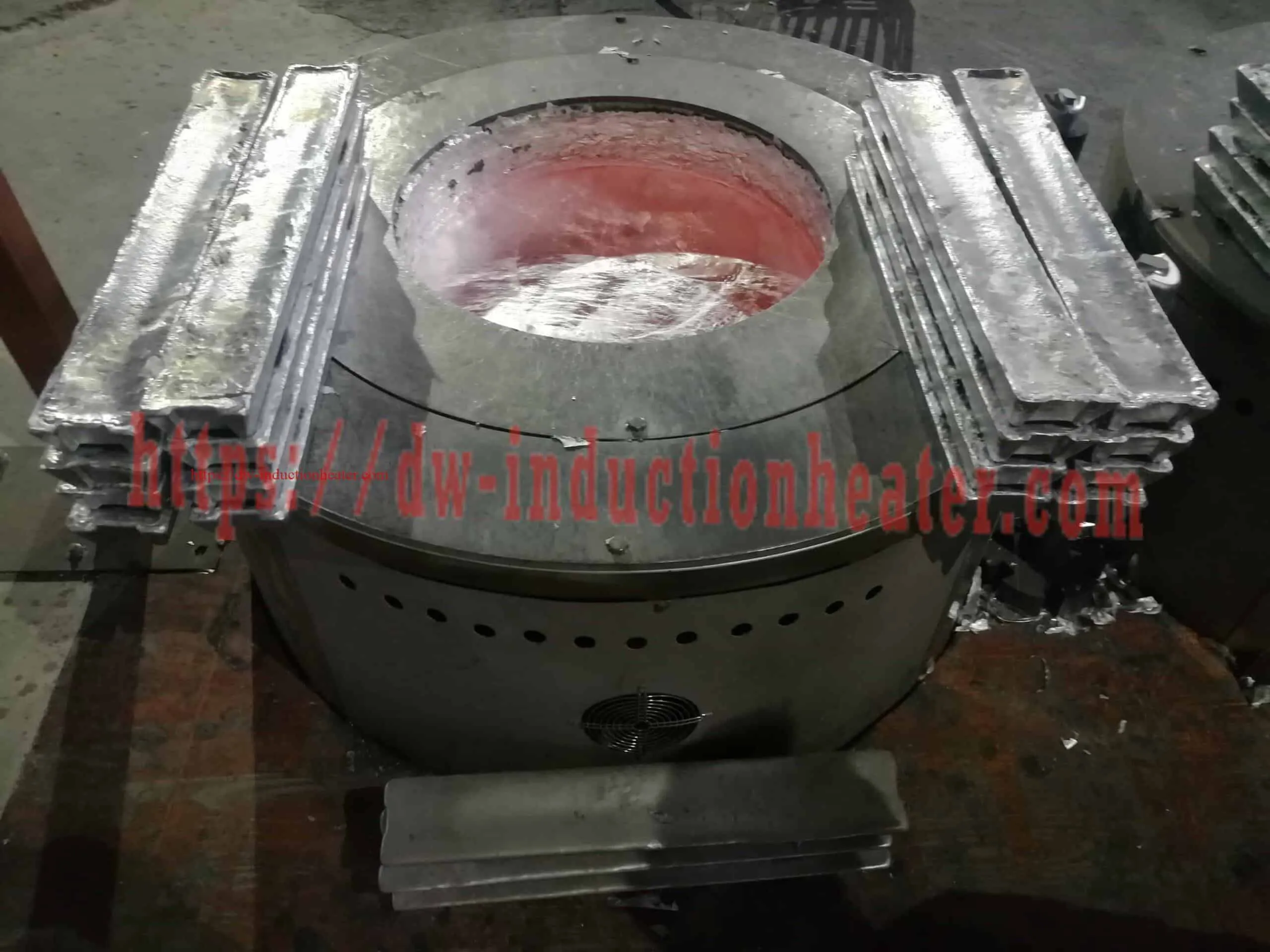
Why Choose HLQ?
HLQ Induction Equipment publishes model capacities, electrical information and crucible dimensions for the SMJD family. These provide a basis for a configuration review against a defined melting requirement.
The HLQ induction furnace engineering overview describes power-supply manufacturing, coil design and process engineering. The selection basis should be a confirmed configuration, consistent ratings and an agreed acceptance test.

Original product topic links
- 500kg aluminium melting furnace
- Aluminium cans induction furnace
- Aluminium scrap furnace
- Aluminium scrap induction furnace
- Aluminium scrap melting furnace
- Aluminium slags melting furnace
- Aluminum cans melting furnace
- Melting aluminium
- Melting aluminium cans furnace
- Melting aluminium furnace
- Melting aluminium induction furnace
- Melting aluminium scrap furnace
- Melting aluminium scrap recycling furnace
6 Core FAQs
1. Which models match the 300 kg aluminium capacity?
The original table lists SMJD-900 at 120 kW and SMJD-905 at 80 kW, both with 300 kg aluminium capacity. Their listed currents are 180 A and 120 A respectively; the electrical ratings need confirmation before installation design.
2. Which models match 500 kg, 800 kg and 1200 kg?
The corresponding rows are SMJD-1500 at 120 kW / 500 kg, SMJD-2300 at 160 kW / 800 kg and SMJD-3100 at 200 kW / 1200 kg. These are published table entries, not measured hourly output guarantees.
3. Does the capacity in kg mean production in kg/h?
No. Hourly output requires usable recovered metal and the complete production-cycle duration. Charge preparation, holding and transfer also affect the result.
4. Is 1800°C the recommended aluminium melting temperature?
No. It is a shared maximum-temperature entry in the source table. The operating setpoint and allowable crucible temperature must suit the alloy, pouring requirement and confirmed construction.
5. Can scrap, cans and dross be processed identically?
The source names these feeds but gives no feed-specific preparation, recovery rate or throughput. Their metallic content, coatings, contamination and treatment requirements need separate assessment.
6. How should a selected furnace be validated?
Test an agreed charge under defined starting and final conditions. Record gross charge, usable recovered metal, full cycle time and metered electricity. Use those measurements to assess output, energy use and gross-feed yield.