Aluminum Smelter For Sale
Aluminum Smelter — HLQ SMJD Induction Remelting Furnace
Quick Answer
On this HLQ product page, “aluminum smelter” means an induction furnace for melting or remelting aluminum and aluminum-alloy charge before casting. The page does not describe primary aluminum production from ore. Its SMJD table lists 13 configurations, 60–200 kW power entries and 150–1200 kg in a shared aluminum-material capacity column. The published figures do not establish hourly throughput, melt time or scrap recovery.

Table of Contents
What is the Aluminum Smelter?
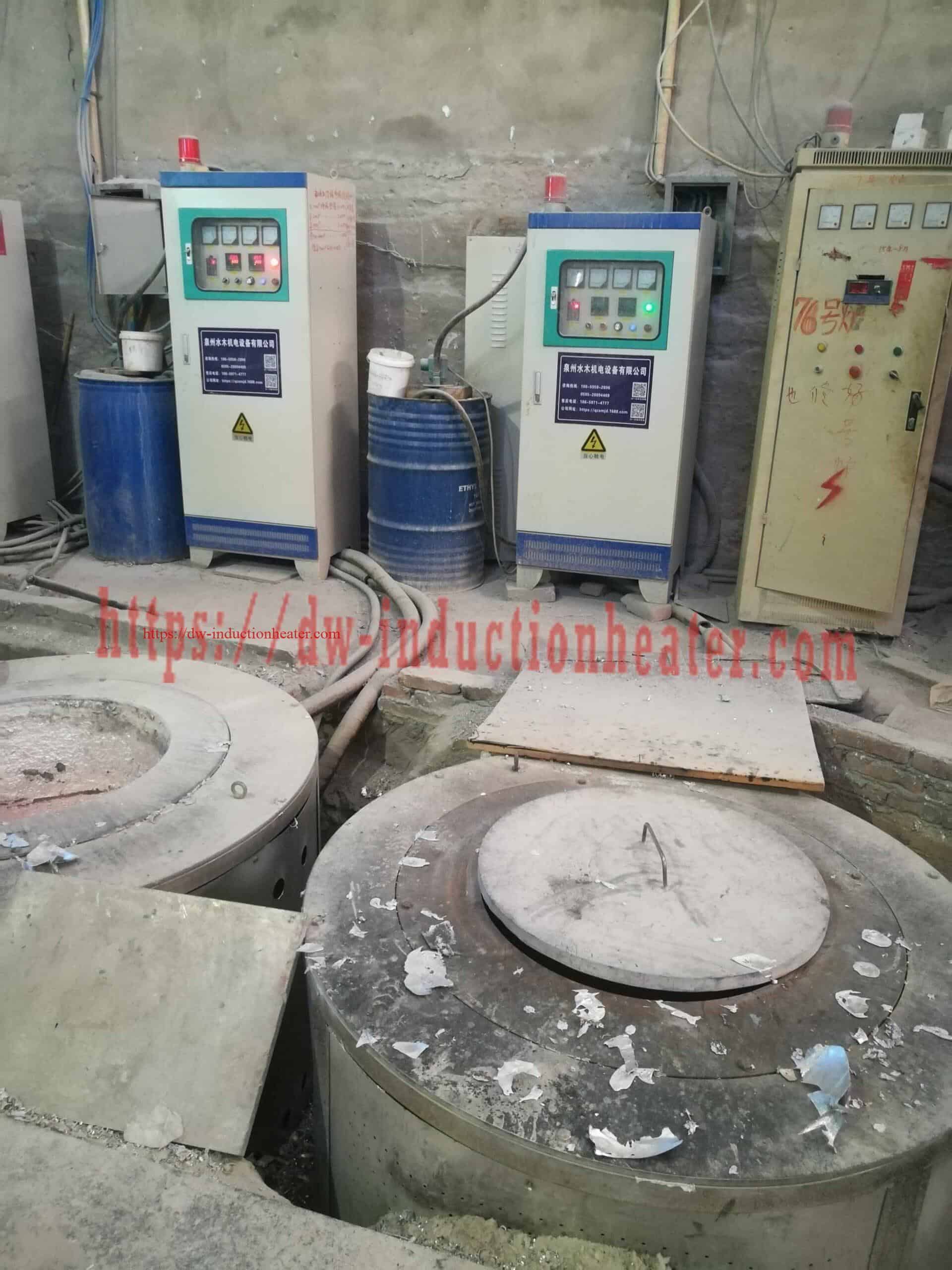
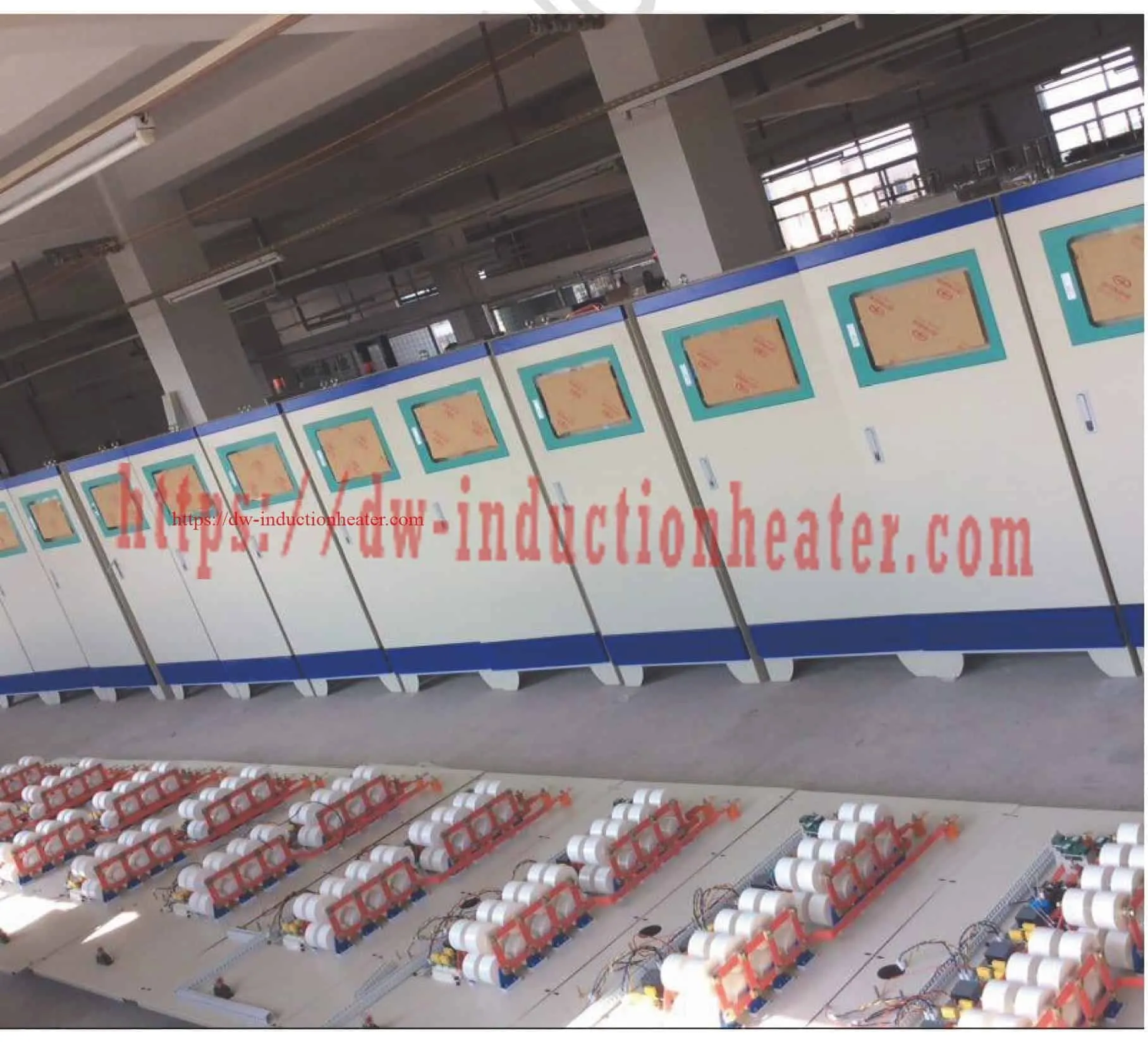
This listing describes electric induction equipment for aluminum melting and remelting. The original description mentions aluminum casting, while the published model table groups aluminum, aluminum alloy, scrap, slag and cans under one capacity heading. That heading names possible material categories; it does not document a separate tested process for each category.
The word “smelter” is used in the original product name. The equipment and documents shown here concern induction melting, not the electrolytic extraction of primary aluminum. For related furnace listings, see HLQ’s aluminum melting furnace category.
Key Applications
| Application described by the source | Material context | Evidence limit |
|---|---|---|
| Aluminum melting before casting | Identified aluminum charge | No casting yield or melt-time test is published. |
| Aluminum-alloy remelting | Identified alloy charge | No alloy-specific operating schedule is given. |
| Prepared aluminum scrap melting | Sorted and prepared scrap | No measured scrap recovery rate is supplied. |
| Can-containing charge | Cans appear in the source table heading | Preparation and metal yield are not quantified. |
For a recycling-focused product description, see HLQ’s aluminum recycling melting furnace.
Suitable Materials
| Material named in the SMJD table | How it appears in the source | Selection boundary |
|---|---|---|
| Aluminum | Listed under the aluminum-capacity heading | Confirm charge grade, form and approved mass. |
| Aluminum alloy | Listed in the same heading | Use an alloy-specific melting and casting procedure. |
| Aluminum scrap | Listed in the same heading | Identify, sort and prepare the charge. |
| Aluminum slag | Named in the heading | No slag-recovery mechanism or recovery rate is demonstrated. |
| Cans | “Pop can” appears in the heading | No can-specific charge preparation or yield is published. |
HLQ’s aluminum scrap melting furnace page provides a scrap-focused comparison.
Working Principle
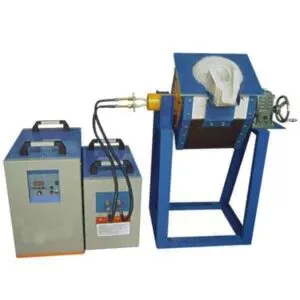
The linked HLQ manual describes a three-phase supply, power-conversion stage and induction coil. Alternating current in the coil creates a changing magnetic field. The manual describes eddy currents heating a conductive crucible, which transfers heat to the aluminum charge. The exact crucible and coupling arrangement should be confirmed for the selected configuration. HLQ’s induction heating principle page provides further background.
| Functional stage | Role described by the linked manual | What must be confirmed |
|---|---|---|
| Electrical supply | Provides power to the SMJD equipment. | Delivered nameplate and site compatibility. |
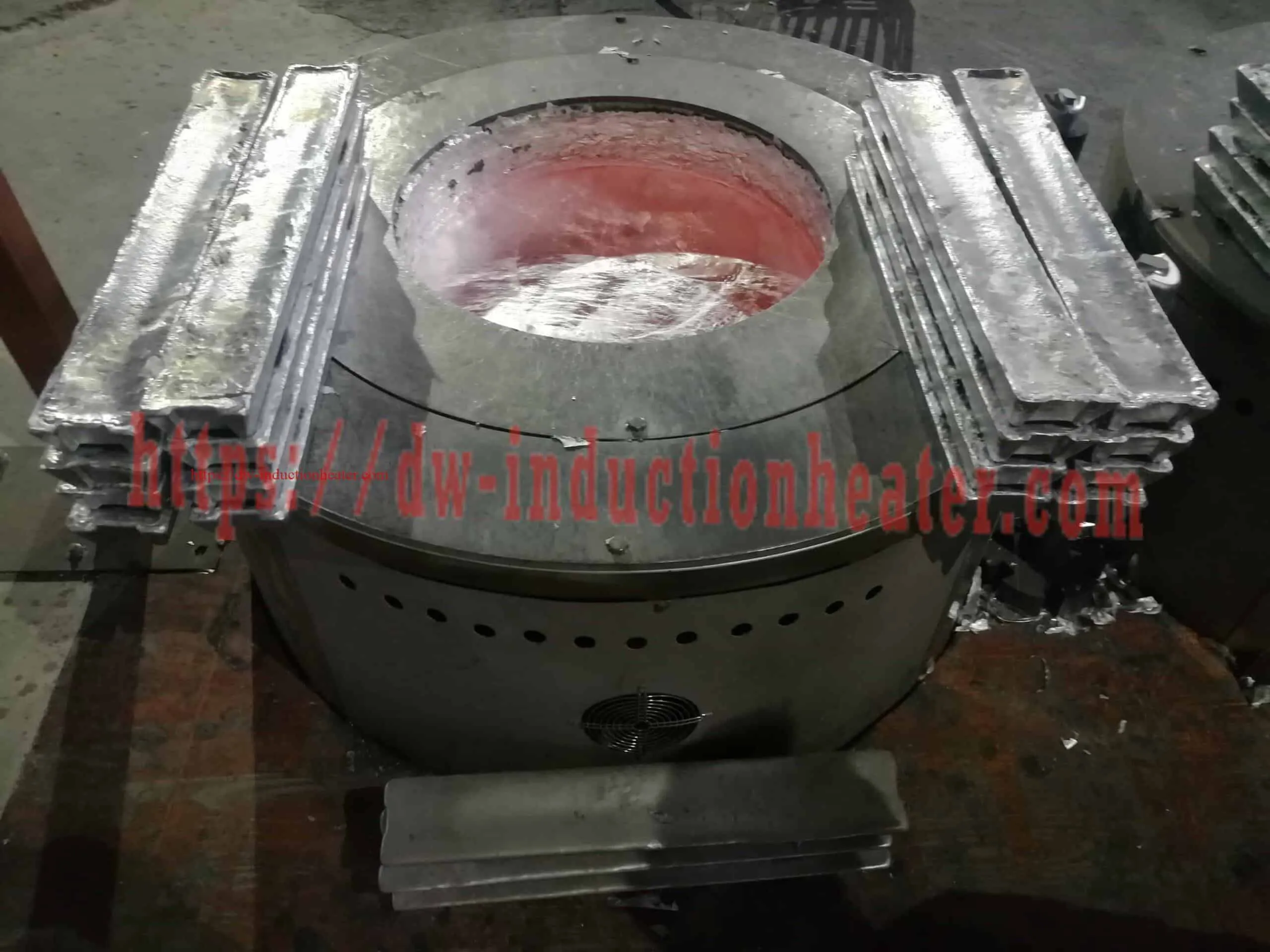
| Power unit | Converts supply power for induction-coil operation. | Exact input/output rating and controller specification. |
| Induction coil | Creates the changing magnetic field. | Coil and cooling configuration. |
| Conductive crucible | The manual describes eddy-current heating of the crucible. | Material and suitability of the supplied crucible. |
| Aluminum charge | Receives heat and melts. | Approved charge mass, form and process procedure. |
Technical Specifications
The original model table contains three material-capacity columns. The aluminum-group column is the relevant initial comparison for this product. Current values are from the linked SMJD parameter document. The page does not state a measured kg/h rate or define the capacity test charge.
| SMJD model | Listed power (kW) | Steel / stainless steel (kg) | Copper / gold / silver group (kg) | Aluminum group (kg) | Listed input current (A) |
|---|---|---|---|---|---|
| SMJD-463 | 60 | 200 | 500 | 200 | 90 |
| SMJD-480 | 60 | 150 | 500 | 150 | 90 |
| SMJD-580 | 80 | 200 | 600 | 200 | 120 |
| SMJD-600 | 60 | 230 | 560 | 230 | 90 |
| SMJD-900 | 120 | 300 | 900 | 300 | 180 |
| SMJD-905 | 80 | 300 | 900 | 300 | 120 |
| SMJD-1250 | 80 | 400 | 1200 | 400 | 120 |
| SMJD-1250 | 120 | 450 | 1350 | 450 | 180 |
| SMJD-1500 | 120 | 500 | 1500 | 500 | 180 |
| SMJD-1550 | 120 | 520 | 1560 | 520 | 180 |
| SMJD-1700 | 160 | 600 | 1700 | 600 | 240 |
| SMJD-2300 | 160 | 800 | 2000 | 800 | 240 |
| SMJD-3100 | 200 | 1200 | 3000 | 1200 | 300 |
| Published series-level item | Value | Interpretation |
|---|---|---|
| Supply | Three-phase 380 V, 50–60 Hz | Confirm against the delivered equipment specification. |
| Frequency | 1–100 kHz, custom frequency according to request | Series range; not proof that every model spans the entire range. |
| Power entries in model table | 60–200 kW | Product page and linked document differ on input versus output labeling. |
| Listed input current | 90–300 A | Catalogue figures are not a complete electrical-design basis. |
| Maximum temperature in shared table | 1800°C | Multi-metal heading, not an aluminum process setpoint. |
Published Crucible Dimensions
The linked parameter PDF identifies A as upper outer diameter, B as upper inner diameter, C as bottom outer diameter and H as total height. All values below are millimetres. Published tolerances are A ±10 mm, B ±5 mm, C ±10 mm and H ±10 mm. These are crucible dimensions rather than whole-machine footprints.
| Model | Crucible reference | A (mm) | B (mm) | C (mm) | H (mm) |
|---|---|---|---|---|---|
| SMJD-463 | 463# | 565 | 500 | 310 | 617 |
| SMJD-480 | 480# | 510 | 420 | 400 | 710 |
| SMJD-580 | 580# | 420 | 360 | 300 | 840 |
| SMJD-600 | 600# | 620 | 525 | 620 | 470 |
| SMJD-900 | 900# | 520 | 425 | 510 | 960 |
| SMJD-905 | 905# | 620 | 530 | 620 | 650 |
| SMJD-1250 | 1250# | 620 | 535 | 620 | 850 |
| SMJD-1500 | 1500# | 735 | 640 | 460 | 900 |
| SMJD-1550 | 1550# | 775 | 682 | 400 | 750 |
| SMJD-1700 | 1700# | 610 | 500 | 610 | 1200 |
| SMJD-2300 | 2300# | 880 | 775 | 355 | 1000 |
| SMJD-3100 | 3100# | 780 | 645 | 780 | 1400 |
Original supporting links: aluminium scraps recycling melting process PDF; SMJD induction melting furnace parameter PDF; and aluminum, copper and iron induction melting furnace manual. The first PDF is background material, not a measured SMJD recovery or output report.
Recommended Model Selection
Compare the aluminum-group capacity entry, the charge geometry and the crucible dimensions. Do not treat a model code as its aluminum capacity: SMJD-1250, for example, has two distinct published power-and-capacity entries.
| Published aluminum-capacity band | Matching entries | Listed power | Further check |
|---|---|---|---|
| 150–230 kg | SMJD-480, SMJD-463, SMJD-580, SMJD-600 | 60 or 80 kW | Charge form and crucible fit. |
| 300–450 kg | SMJD-900, SMJD-905, and two SMJD-1250 variants | 80 or 120 kW | Exact power variant and required operating cycle. |
| 500–600 kg | SMJD-1500, SMJD-1550, SMJD-1700 | 120 or 160 kW | Site electrical supply and handling. |
| 800–1200 kg | SMJD-2300, SMJD-3100 | 160 or 200 kW | Utilities, charge handling and actual production requirement. |
Process Workflow
This general workflow describes secondary aluminum melting. It is not a claim that every step is automated or that a particular cycle time is achieved.
| Stage | Task | Evidence boundary |
|---|---|---|
| 1. Identify charge | Identify aluminum or alloy and its charge form. | The source groups several different materials together. |
| 2. Prepare charge | Apply site procedures for sorting and drying. | No single preparation specification covers every scrap stream. |
| 3. Check furnace | Check the approved crucible, power supply and protection status. | Use delivered equipment instructions. |
| 4. Melt | Charge and heat within approved operating limits. | No measured reference melt time is provided. |
| 5. Assess melt | Check temperature and composition as required by the alloy process. | No universal setpoint is published here. |
| 6. Transfer | Follow the approved pouring and batch-record procedure. | Pouring arrangement depends on the supplied configuration. |
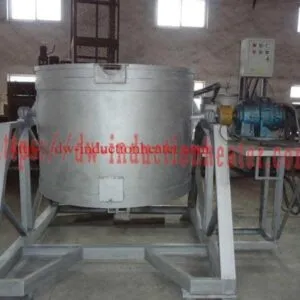
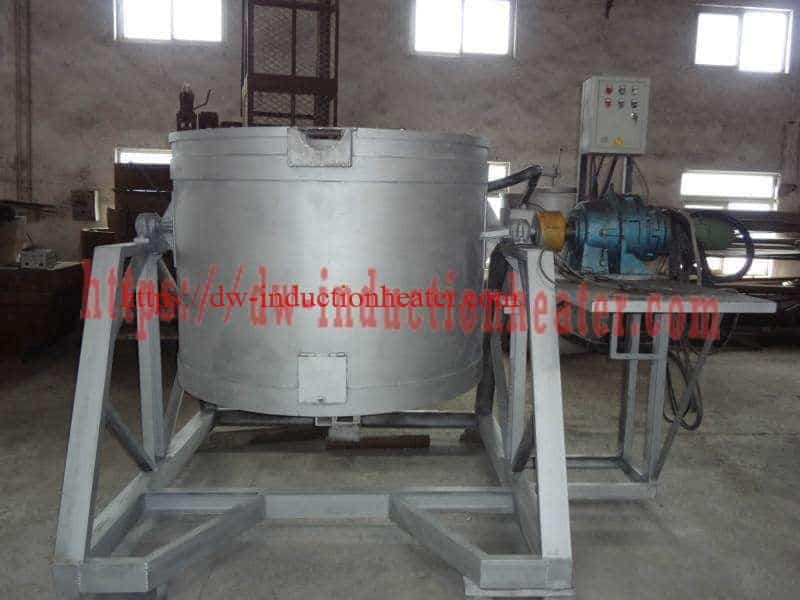
For a specifically presented tilting system, compare HLQ’s tilting aluminum melting furnace.
Common Problems and Solutions
| Issue | Initial check | Limit |
|---|---|---|
| Requested charge exceeds the selected entry | Compare the intended aluminum charge with the complete SMJD model row. | Published kg values are not hourly output. |
| Charge pieces do not suit the opening | Check geometry against the chosen crucible and approved loading method. | Crucible B is a dimension, not an automatic loading clearance. |
| Protection indication appears | Follow the delivered controller’s indication and site procedure. | The web page gives no fault-code schedule. |
| Power basis is unclear | Resolve input/output wording using delivered equipment documents. | The original page and linked table use different labels. |
| Scrap recovery differs from expectation | Review charge identification and process records. | No product-specific recovery rate is published. |
Engineering Selection Guide
Use the catalogue figures to narrow a choice, then match the actual metal stream, required operating cycle and delivered furnace build. HLQ’s wider induction melting furnace category lists other equipment arrangements.
| Selection input | Why it matters | Evidence available here |
|---|---|---|
| Charge material and form | Determines preparation and process control. | Aluminum, alloy, scrap, slag and cans are named as categories. |
| Charge mass | Must suit the chosen configuration. | Published aluminum-group values of 150–1200 kg. |
| Crucible fit | Determines whether pieces can be handled and charged. | Twelve sets of A, B, C and H dimensions. |
| Required production rate | Determines the necessary furnace cycle. | No measured melt-time or kg/h table. |
| Electrical supply | Determines installation compatibility. | Three-phase 380 V, 50–60 Hz and listed current entries. |
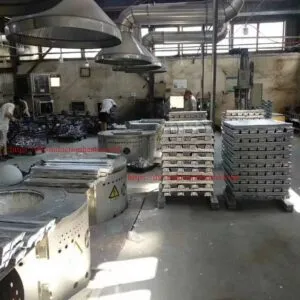
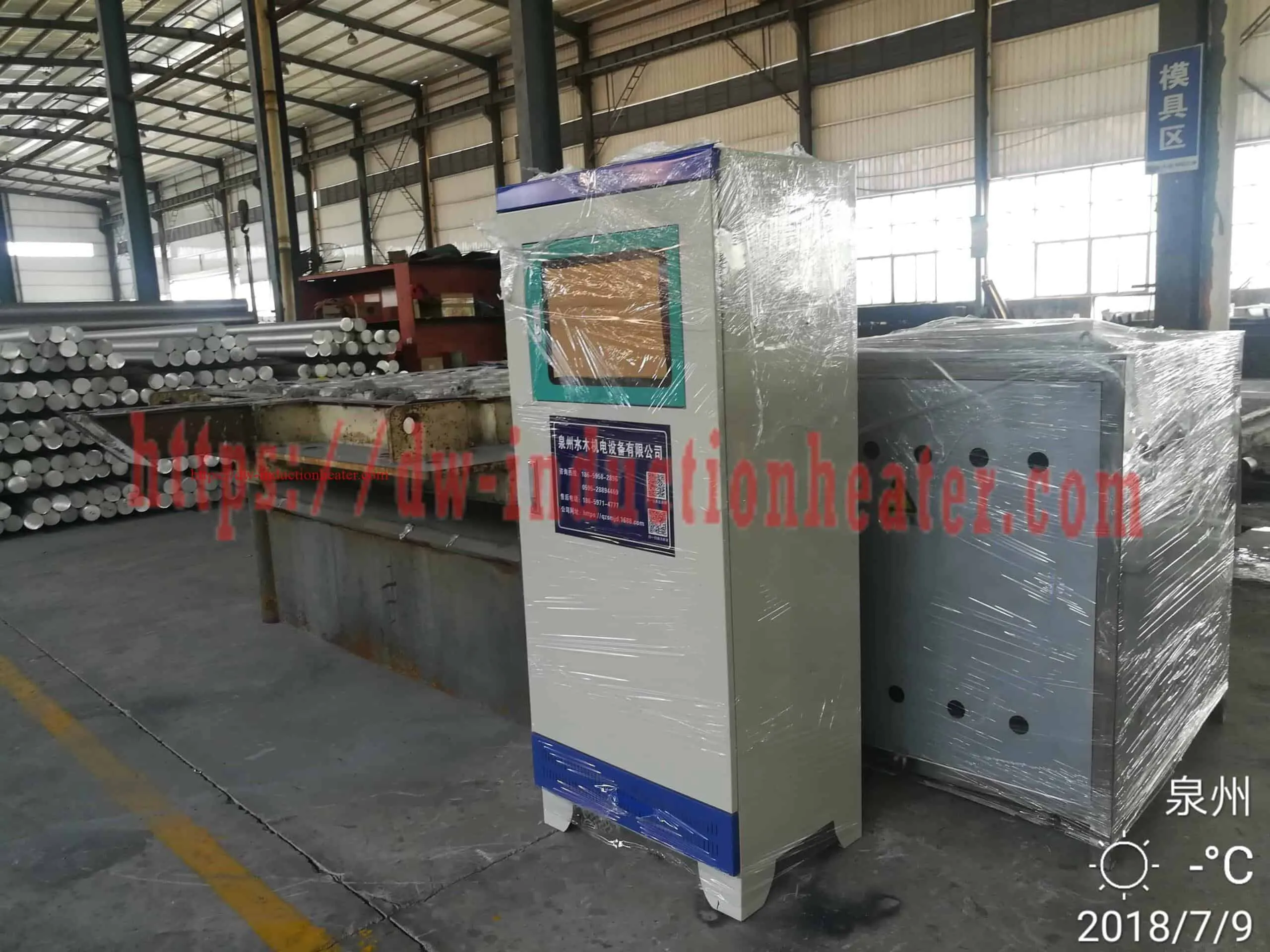
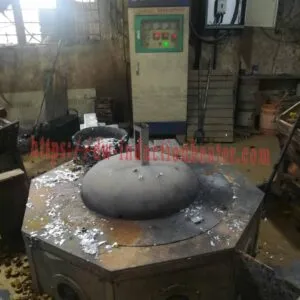
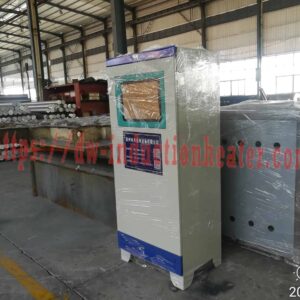
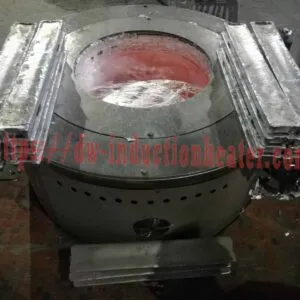
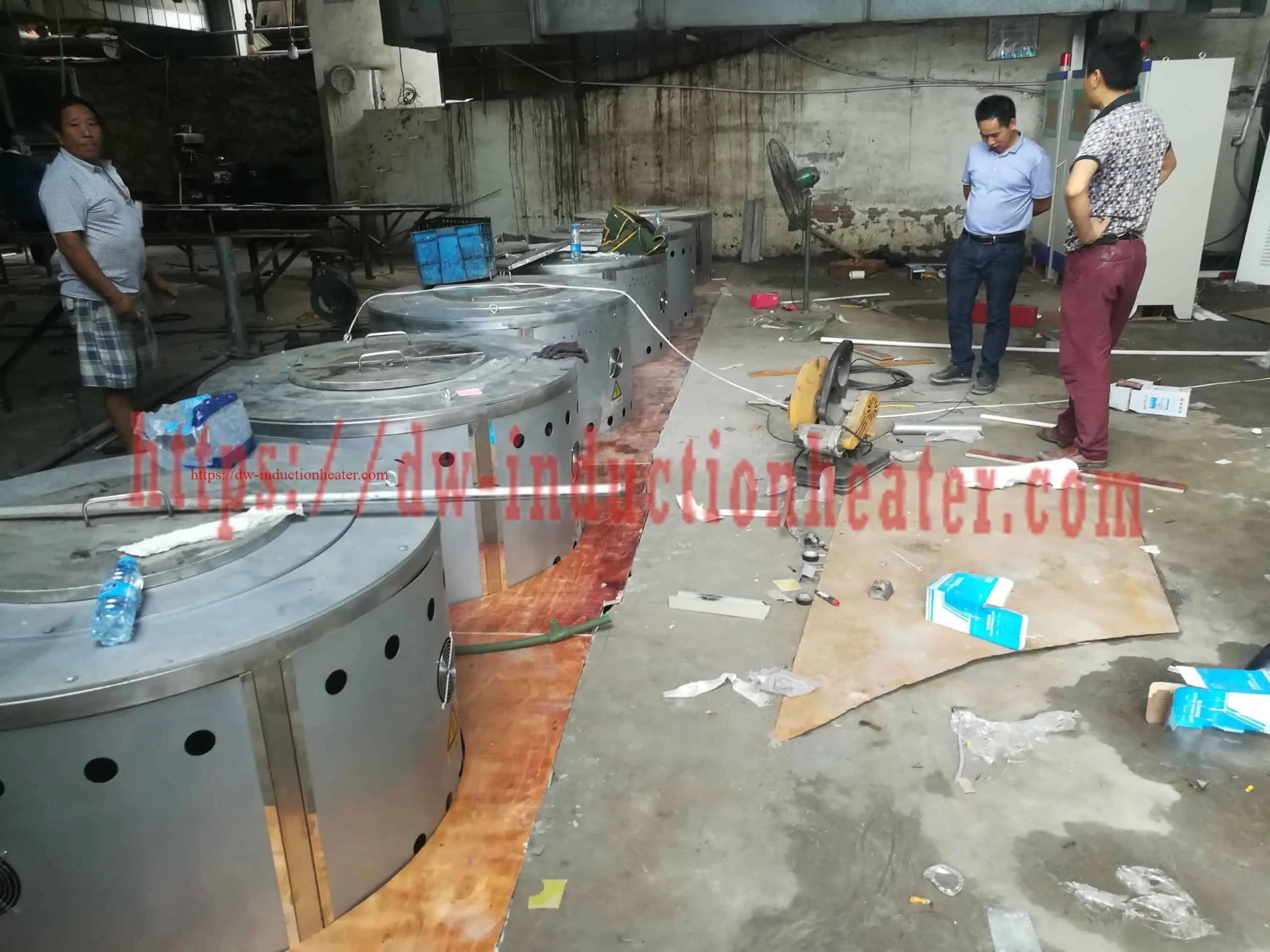
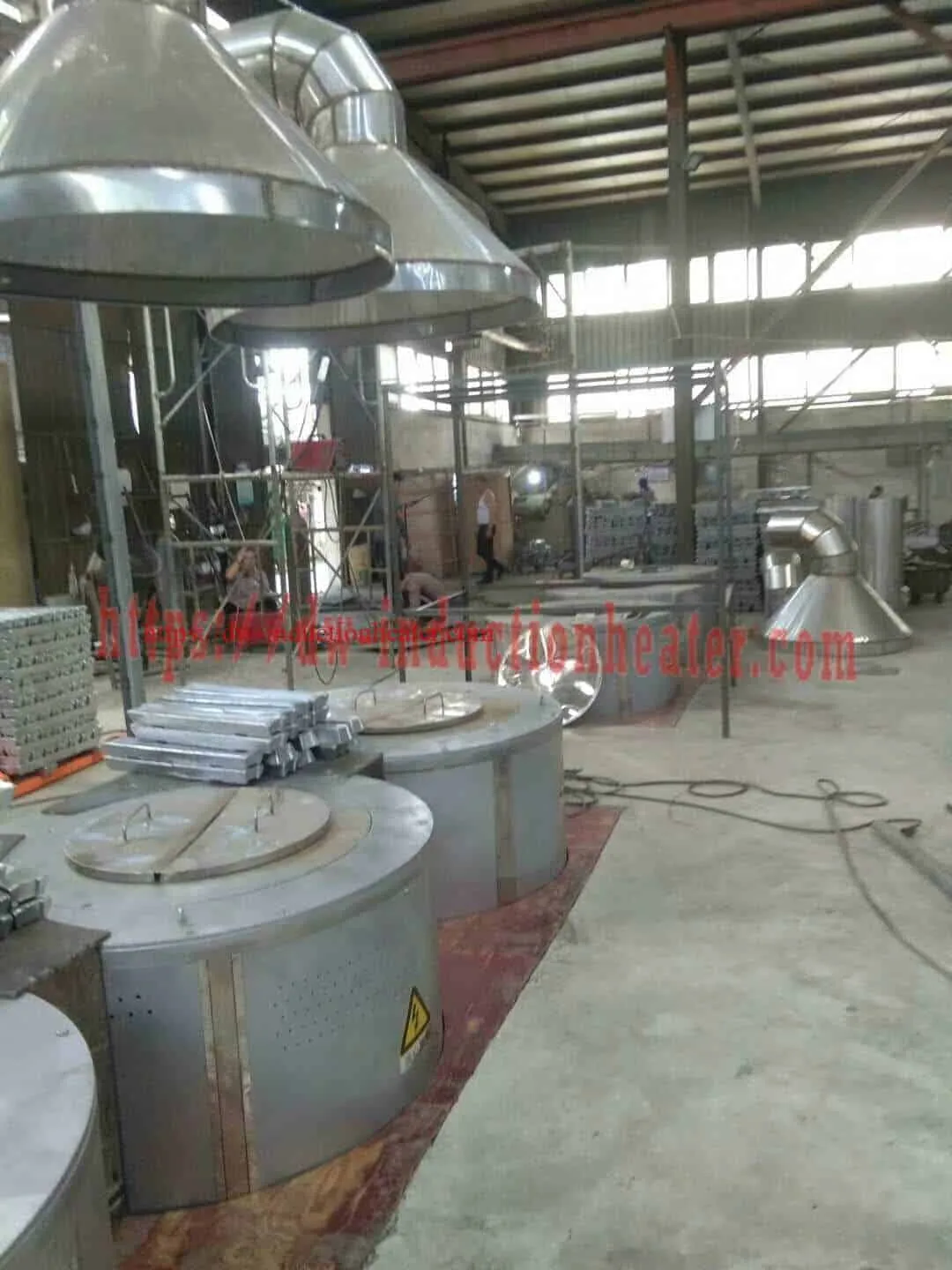
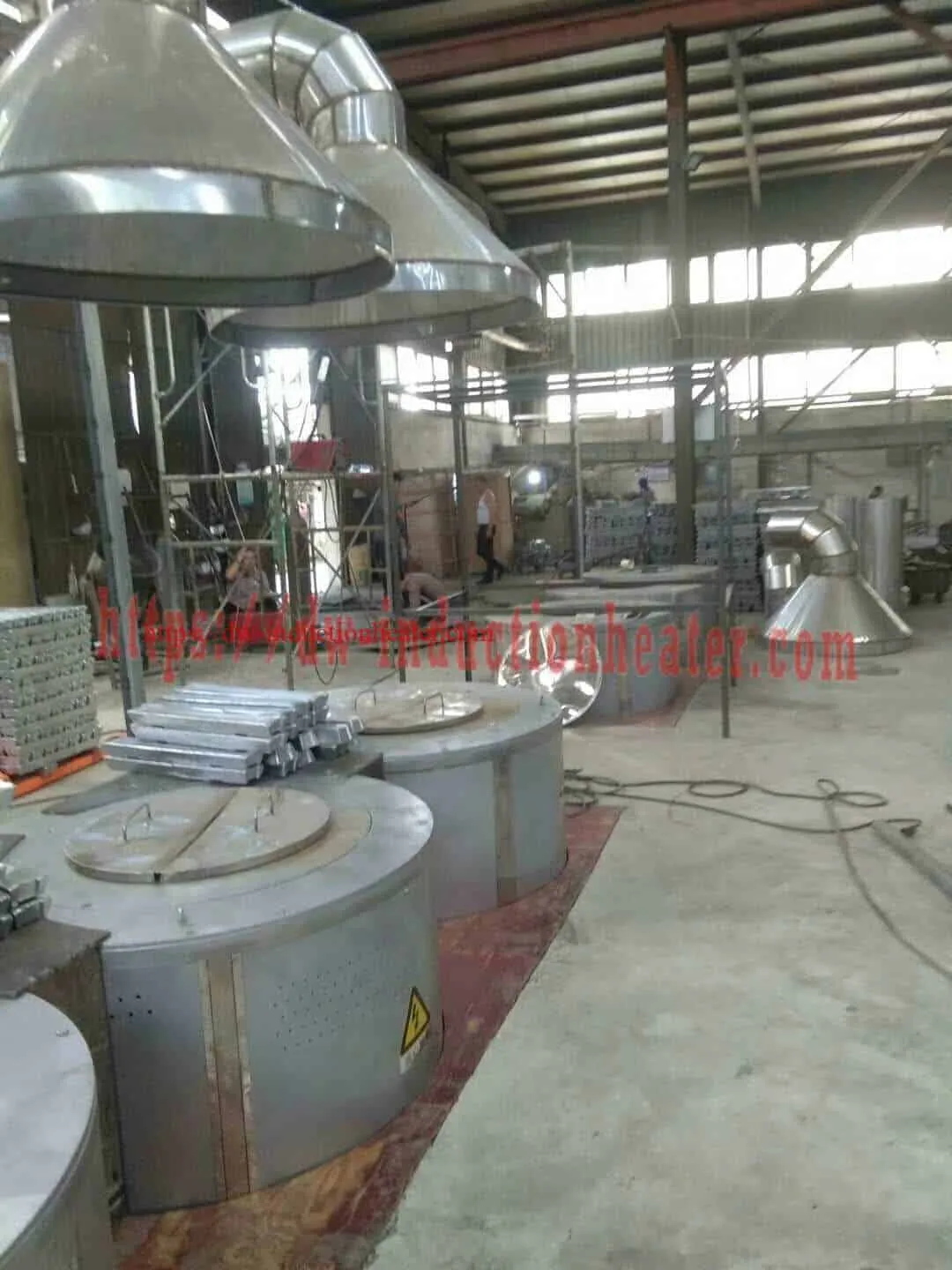
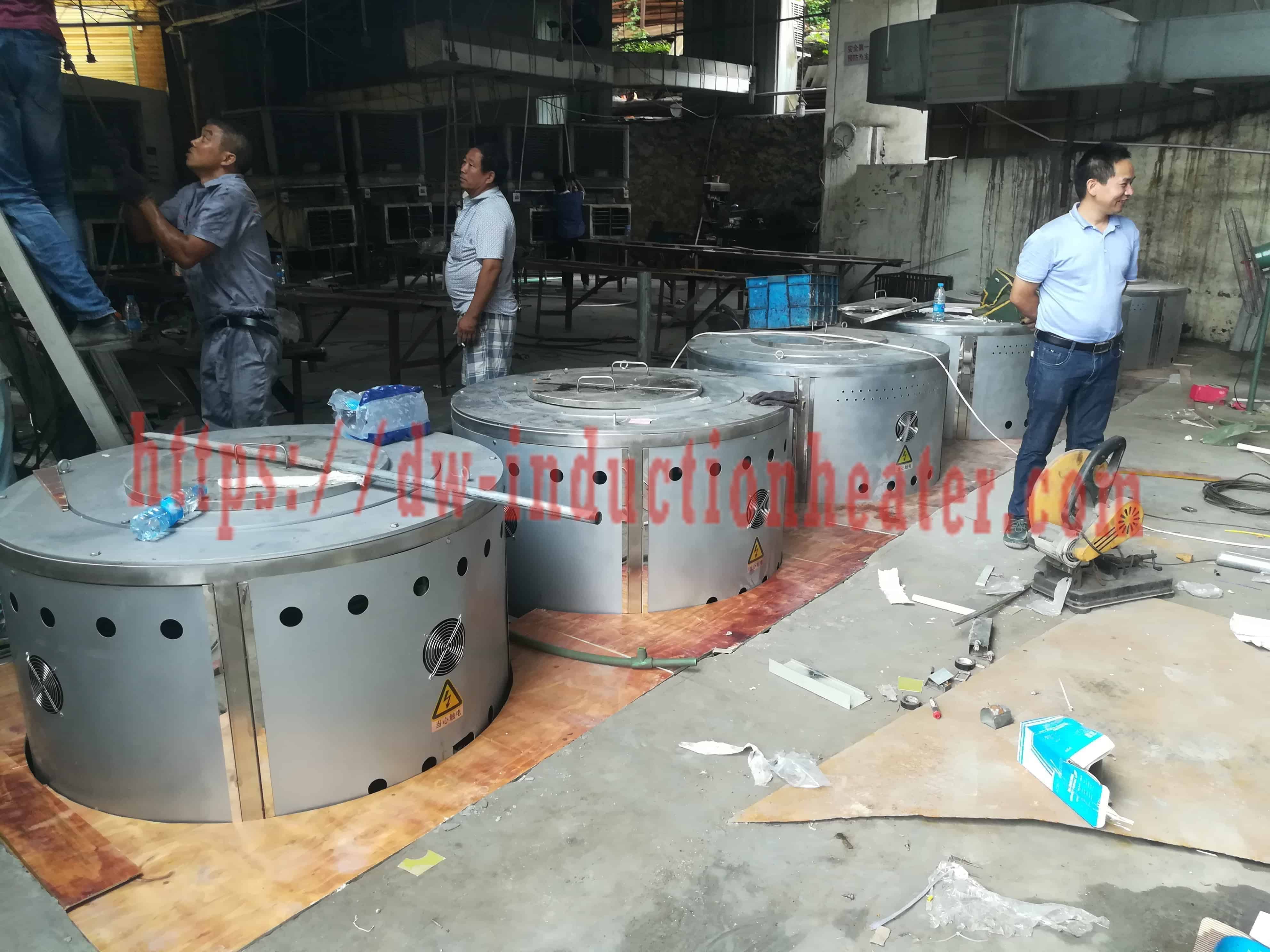
| Site layout and pouring | Determines handling and operating space. | Photos only; no certified footprint drawing. |

Advantages and Limitations
| Published feature or useful information | Limit of available evidence |
|---|---|
| Electric induction provides a route for aluminum melting. | No defined-charge energy-consumption test is supplied. |
| Thirteen SMJD configuration entries allow initial comparison. | Catalogue capacity does not define kg/h output. |
| Crucible dimensions are available. | They do not define the complete furnace footprint. |
| The page describes controls and electrical protection functions. | Delivered control features must be confirmed for the actual unit. |
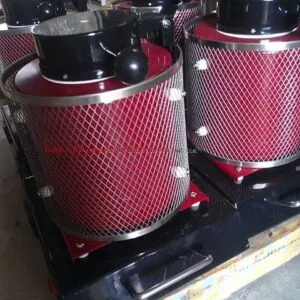
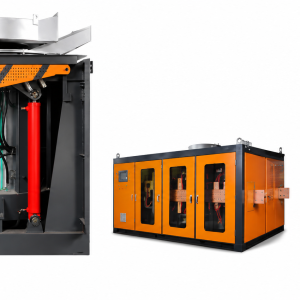
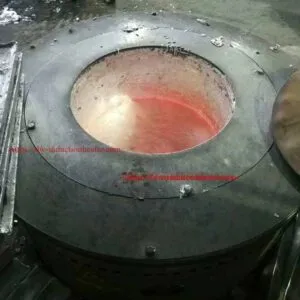
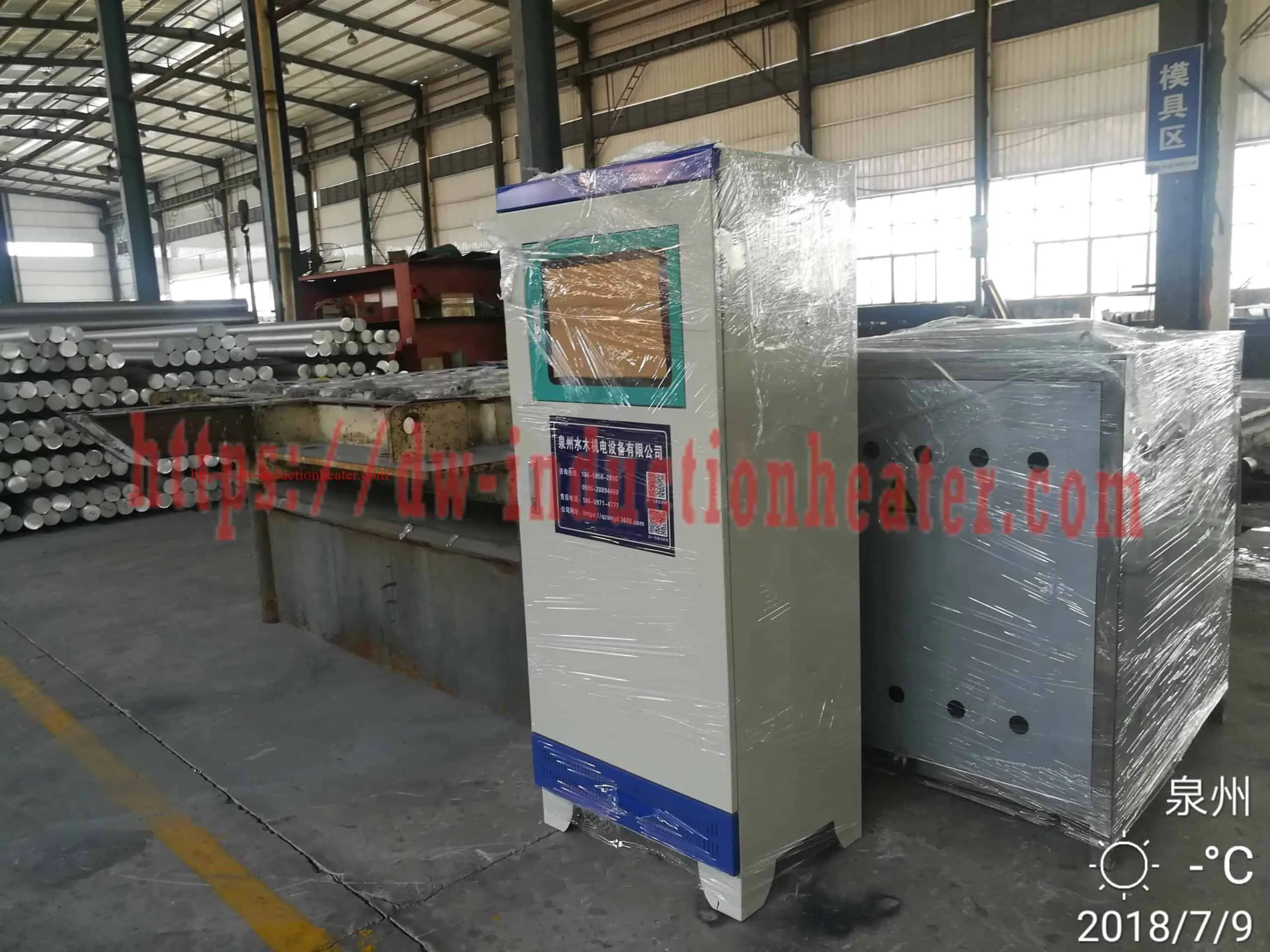
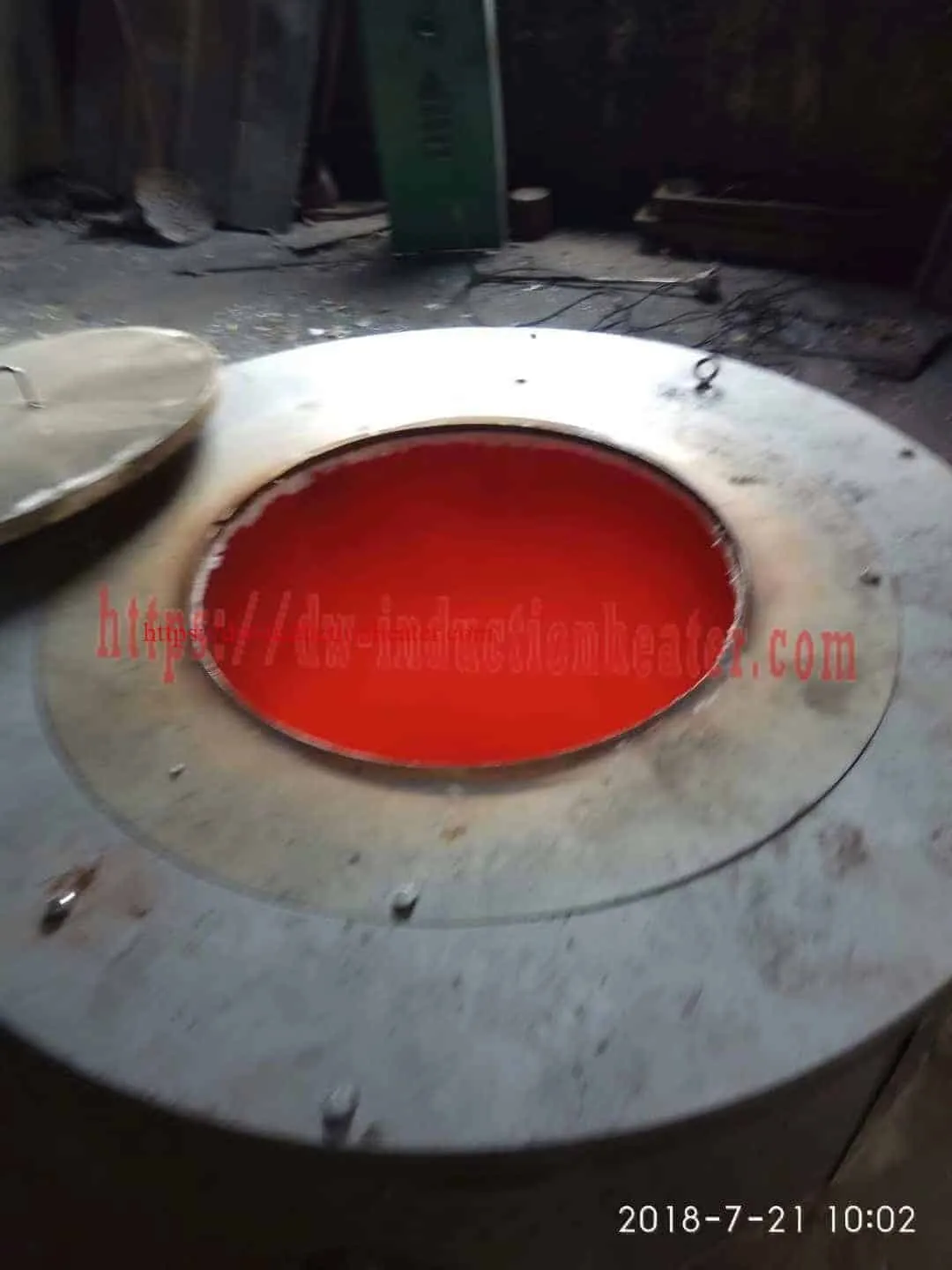
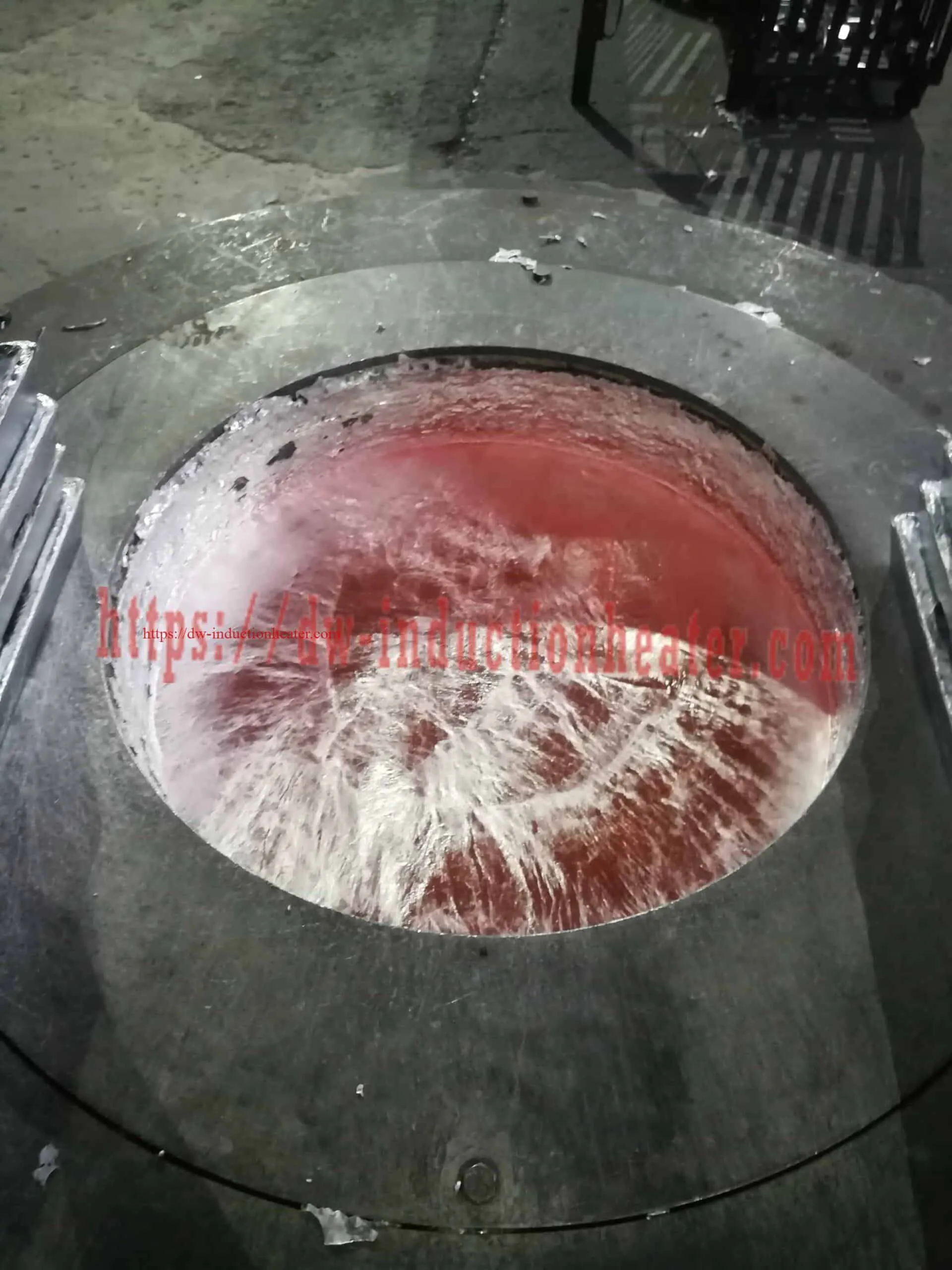
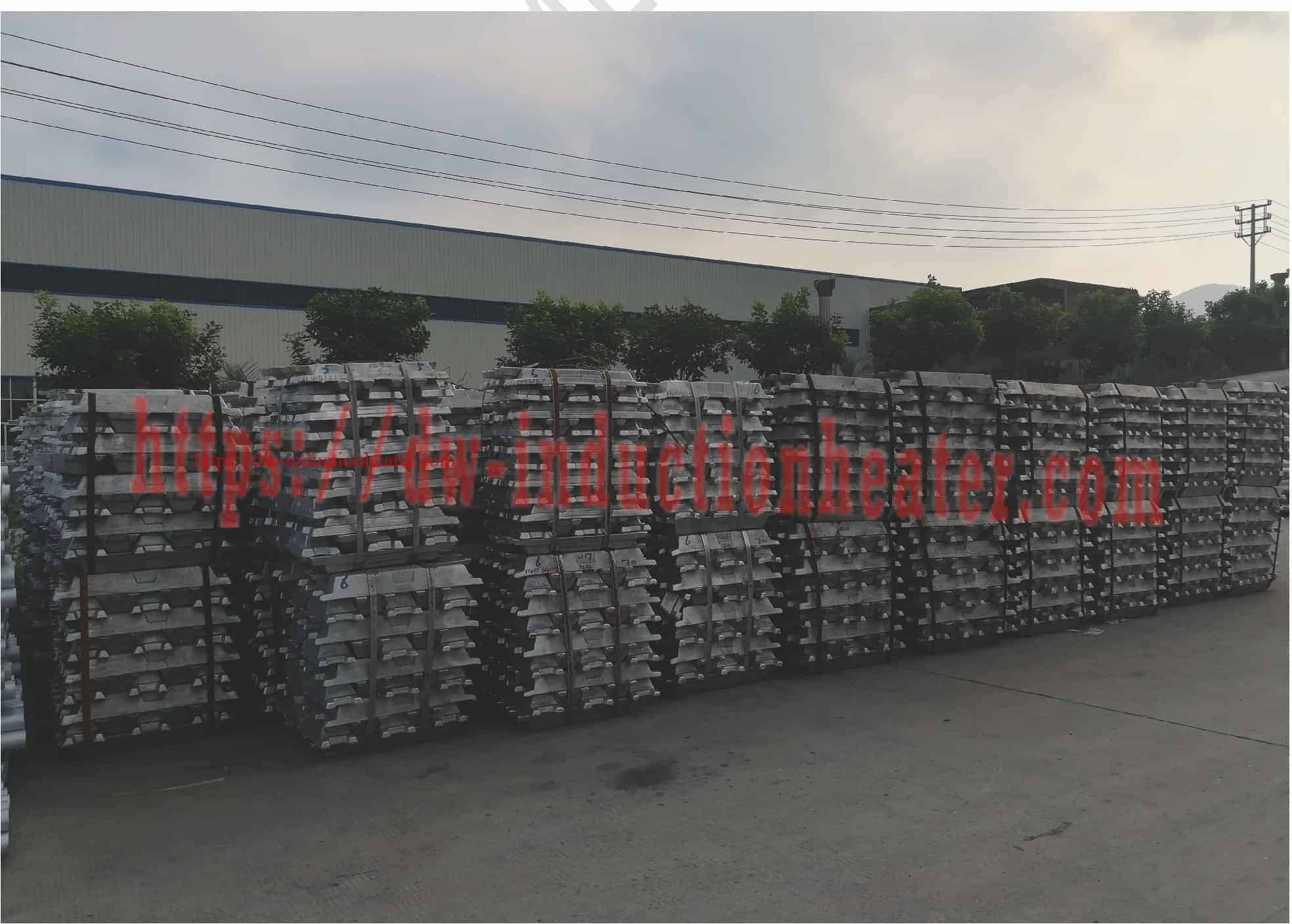
| Original product photos show equipment context. | They do not verify metal grade, recovery or customer performance. |

Why Choose HLQ?
HLQ publishes a 13-configuration SMJD table, linked electrical and crucible parameters, a linked manual and original equipment photographs. These materials allow an initial check of aluminum capacity, power entry and crucible geometry. The final selection should follow the actual charge, production requirement, electrical supply and confirmed equipment configuration.
6 Core FAQs
1. Is this an aluminum smelter for producing primary aluminum from ore?
The published page describes induction melting and casting equipment. It does not provide a primary aluminum electrolysis process specification.
2. What aluminum capacity range appears in the SMJD table?
The shared aluminum-material column runs from 150 kg to 1200 kg across 13 entries. The source does not define these values as hourly output.
3. Is there a specific 1000 kg aluminum model in the published table?
No 1000 kg aluminum-capacity row is shown. The larger published aluminum entries are 800 kg for SMJD-2300 and 1200 kg for SMJD-3100.
4. Do the two SMJD-1250 entries have the same specification?
No. The source lists 80 kW with 400 kg in the aluminum group, and 120 kW with 450 kg in that group.
5. Does the material table prove aluminum-can or slag recovery performance?
No. Cans and aluminum slag are named in a shared heading, but no charge-specific recovery test or yield is supplied.
6. Can 1800°C be used as the aluminum melt setting?
The page does not provide such a setting. The value appears as a maximum-temperature heading in a shared multi-metal table and is not an aluminum-specific operating instruction.