
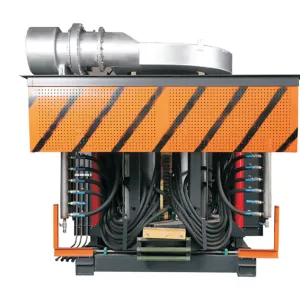
Induction Furnace for Metal Melting | Steel, Iron, Copper and Aluminum Melting
Induction Furnace for Metal Melting | Steel, Iron, Copper and Aluminum Melting Guide
Table of Contents
- Quick Answer
- What Is This Product?
- Key Applications
- Suitable Materials
- Working Principle
- Technical Specifications
- Recommended Model Selection
- Energy Consumption Reference
- Process Workflow
- Furnace Structure
- Control System and Automation
- Cooling and Safety System
- Common Problems and Solutions
- Engineering Selection Guide
- Advantages
- Limitations
- Why Choose HLQ Induction Equipment?
- FAQ
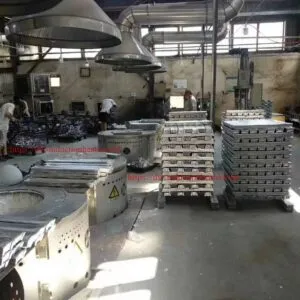
An induction furnace is an electric metal melting furnace that uses electromagnetic induction to melt steel, cast iron, copper, brass, aluminum, zinc, precious metals and many alloy materials. It is widely used in foundries, casting plants, metal recycling workshops, forging factories and alloy production lines. Compared with fuel-fired furnaces, induction furnaces provide cleaner operation, faster melting, better temperature control, lower oxidation loss and easier automation. HLQ induction furnaces can be configured with medium-frequency power supplies, steel shell or aluminum shell furnace bodies, hydraulic tilting systems, capacitor cabinets, water-cooled cables and intelligent control systems.
Quick Answer
An induction furnace is an electric melting system that generates heat directly inside metal by electromagnetic induction. It is best used for melting and holding steel, iron, aluminum, copper, brass and alloys in foundry, casting and recycling applications. A complete induction furnace normally includes an IF or KGPS power supply, capacitor cabinet, furnace body, induction coil, crucible, hydraulic tilting mechanism, water cooling system, water-cooled cables, control panel and optional temperature feedback or leak furnace alarm system.
What Is This Product?
An induction furnace is a coreless electric furnace designed for metal melting and smelting. Unlike flame furnaces that transfer heat from combustion gases to the metal charge, an induction furnace creates heat inside the metal charge through induced electrical currents. This direct heating method improves melting efficiency, reduces workshop pollution and provides more accurate process control.
The induction furnace is especially suitable for factories that require repeatable melting quality, flexible alloy production, fast batch changeover and lower dependence on fuel combustion. It can melt ferrous and non-ferrous metals, including carbon steel, cast iron, stainless steel, copper, brass, bronze, aluminum, zinc and precious metals.
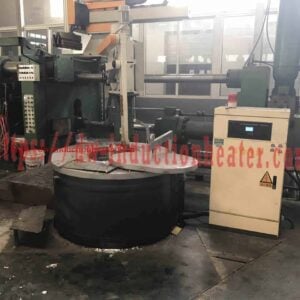
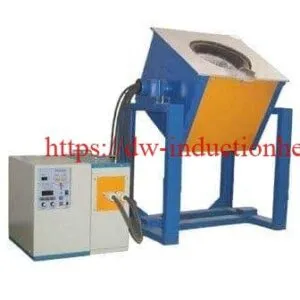
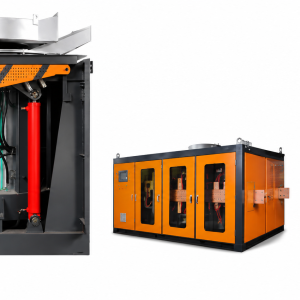
A standard system usually consists of an induction power supply, capacitor cabinet, furnace body, water-cooled copper coil, refractory lining, crucible, hydraulic tilting device, water cooling circuit, water-cooled cables and electrical control system. Optional equipment can include a transformer, high-voltage switch cabinet, closed-loop water cooling system, furnace changeover switch, leak furnace alarm device and lining ejection system.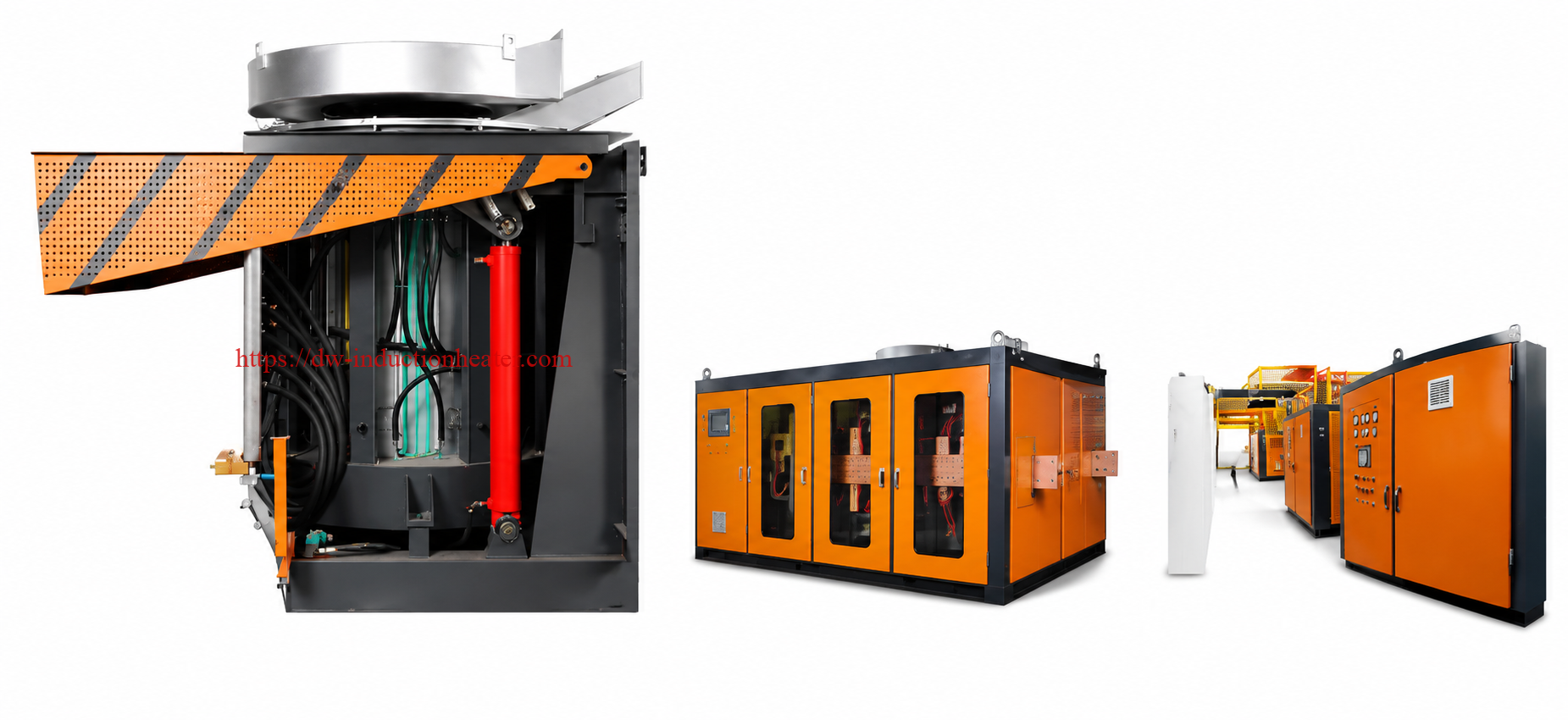
| Product Name | Induction Furnace | Engineering Meaning |
|---|---|---|
| Furnace Type | Medium-frequency / IF / KGPS induction melting furnace | Electric furnace for melting metals by electromagnetic induction. |
| Main Function | Melting, smelting, alloying, holding and casting preparation | Suitable for foundries, metal recycling and casting workshops. |
| Typical Capacity | 10kg to 5000kg or customized | Small laboratory melting to industrial foundry melting. |
| Typical Power | 50kW to 2500kW or higher customized systems | Selected according to metal type, batch weight and melting time. |
| Typical Metals | Steel, iron, copper, brass, aluminum and alloys | Supports both ferrous and non-ferrous melting applications. |
Key Applications
Induction furnaces are used in many metal processing industries. The furnace can be configured for batch melting, continuous casting supply, metal recycling, alloy preparation, precious metal melting and small-scale laboratory smelting.
| Application | Typical Metal | Recommended Furnace Type | Buyer Benefit |
|---|---|---|---|
| Foundry Casting | Cast iron, steel, aluminum, copper alloy | Medium-frequency induction furnace | Stable molten metal supply for casting production. |
| Scrap Metal Recycling | Aluminum scrap, copper scrap, brass scrap, steel scrap | Hydraulic tilting induction furnace | Fast melting and flexible batch processing. |
| Steel and Iron Melting | Carbon steel, cast iron, alloy steel | Steel shell induction furnace or KGPS furnace | High thermal capacity and strong furnace structure. |
| Non-Ferrous Metal Melting | Aluminum, copper, brass, bronze, zinc | Aluminum shell or steel shell induction furnace | Cleaner melting with lower oxidation and easier temperature control. |
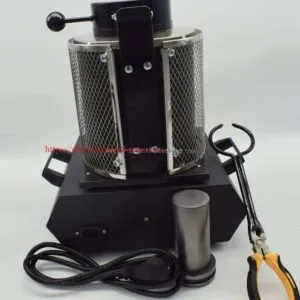
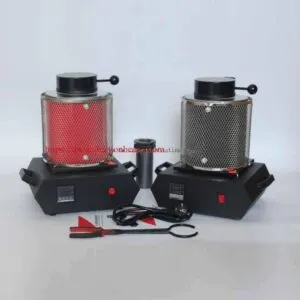
| Precious Metal Melting | Gold, silver, platinum alloy | Small induction crucible furnace | Fast melting, compact size and accurate control. |
| Alloy Production | Bronze, brass, aluminum alloy, special alloy | Temperature-controlled induction furnace | Improves alloy consistency and melting repeatability. |
Suitable Materials
Induction furnaces are suitable for most electrically conductive metals. The actual melting performance depends on melting temperature, charge size, electrical properties, crucible material, furnace lining and power density.
| Material | Melting Suitability | Typical Use | Engineering Notes |
|---|---|---|---|
| Carbon Steel | Excellent | Steel casting, forging stock, alloy preparation | Requires high temperature refractory lining and sufficient power. |
| Cast Iron | Excellent | Foundry casting, machine parts, pump body casting | Common application for medium-frequency induction furnaces. |
| Stainless Steel | Good | Stainless casting, alloy melting | Temperature and oxidation control are important. |
| Aluminum | Good | Aluminum scrap recycling, die casting, alloy production | Requires suitable crucible and oxidation control. |
| Copper | Good | Copper scrap melting, copper alloy casting | High thermal conductivity requires proper power and coil matching. |
| Brass / Bronze | Good | Valve, fitting, hardware and bearing alloy casting | Zinc loss should be controlled during brass melting. |
| Zinc / Tin | Good | Low-melting alloy processing | Lower power density and temperature control are recommended. |
| Gold / Silver | Excellent | Jewelry, precious metal refining, small casting | Small crucible furnaces are typically selected. |
Working Principle
The working principle of an induction furnace is electromagnetic induction. The power supply converts standard industrial electricity into medium-frequency current. This current flows through a water-cooled copper coil around the crucible. The alternating magnetic field penetrates the metal charge and induces eddy currents inside the metal. These eddy currents generate heat because of the electrical resistance of the metal charge.
As the metal temperature increases, solid charge begins to soften and melt. The electromagnetic field also produces a stirring effect in the molten metal bath. This stirring helps improve temperature uniformity and alloy mixing. For foundry use, this is one of the major advantages of induction melting compared with many fuel-fired systems.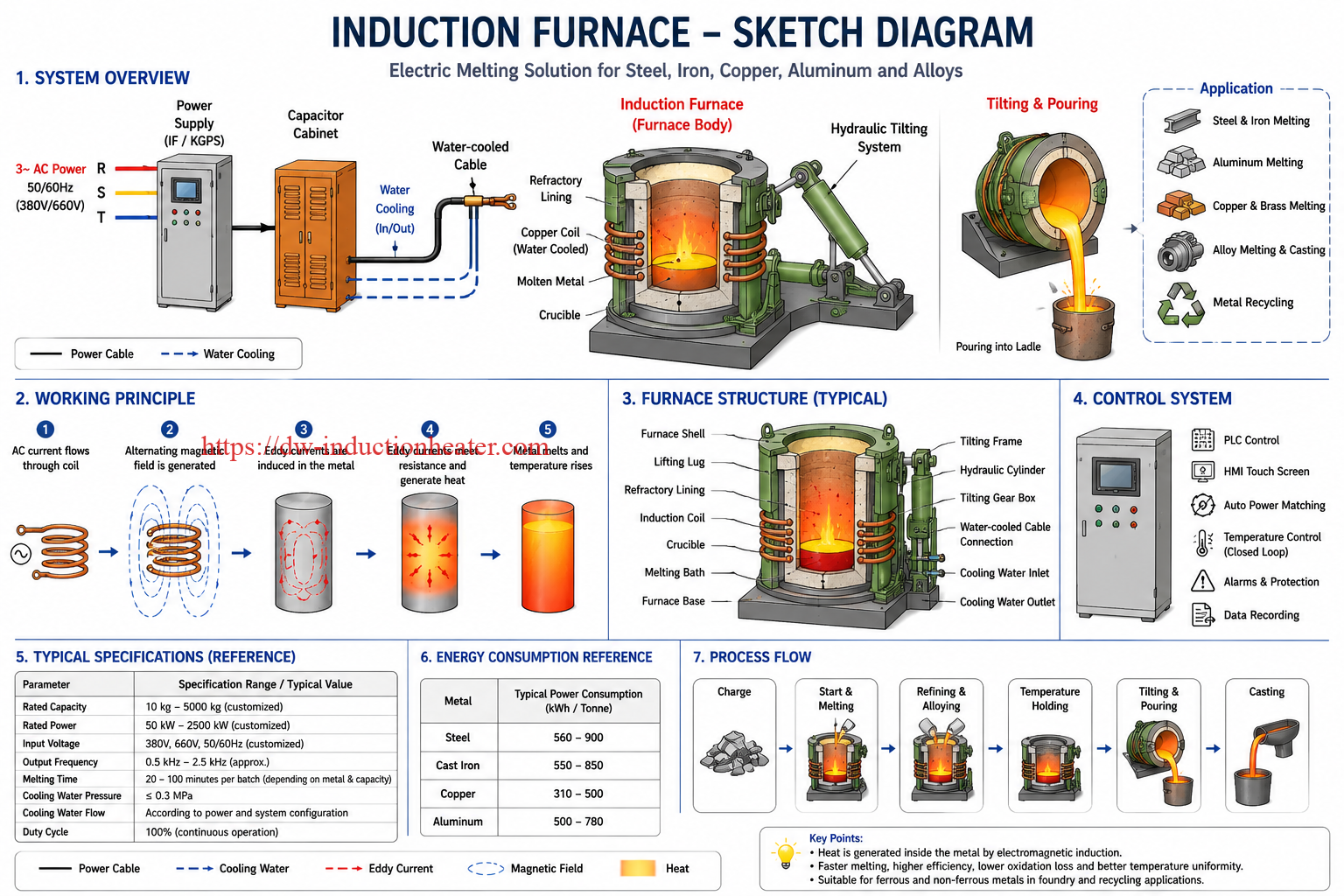
| Step | Process | Engineering Explanation |
|---|---|---|
| 1 | Power Input | Three-phase power enters the IF or KGPS induction power supply. |
| 2 | Power Conversion | The power supply converts input power into medium-frequency output. |
| 3 | Coil Excitation | Current flows through the water-cooled copper induction coil. |
| 4 | Magnetic Field Generation | The coil creates an alternating magnetic field around the crucible. |
| 5 | Eddy Current Heating | Eddy currents are induced inside the metal charge and generate heat. |
| 6 | Metal Melting | The charge melts as heat builds up inside the metal. |
| 7 | Electromagnetic Stirring | The molten bath circulates, improving temperature and composition uniformity. |
| 8 | Tilting and Pouring | The hydraulic tilting system pours molten metal into ladles or molds. |
Technical Specifications
The following table summarizes typical induction furnace specifications. Final design should be selected according to metal type, melting capacity, target melting time, local voltage and casting production requirement.
| Parameter | Typical Specification | Notes |
|---|---|---|
| Rated Capacity | 10kg, 50kg, 100kg, 150kg, 250kg, 350kg, 500kg, 750kg, 1000kg, 1500kg, 2000kg, 3000kg, 5000kg | Custom capacities can be designed according to production demand. |
| Rated Power | 50kW to 2500kW or customized | Power determines melting speed and production capacity. |
| Input Voltage | 380V, 660V or customized | Voltage depends on power level and local factory supply. |
| Output Frequency | Approximately 0.5kHz to 2.5kHz | Lower frequency is generally used for larger furnace capacity. |
| Melting Time | About 20–100 minutes per batch depending on capacity and metal | Actual time depends on charge condition, power, lining and operation. |
| Furnace Body | Steel shell or aluminum shell | Steel shell is often selected for larger and heavy-duty furnaces. |
| Tilting Method | Mechanical or hydraulic tilting | Hydraulic tilting improves pouring stability and operator safety. |
| Cooling Method | Water cooling | Used for power supply, coil, capacitors and water-cooled cables. |
| Optional Control | PLC, HMI, temperature feedback, automatic power matching | Recommended for intelligent melting and stable production. |
Recommended Model Selection
The correct induction furnace model should be selected by rated capacity, metal type, melting time and daily production. A small jewelry furnace and a 5-ton foundry furnace are both induction furnaces, but their power supply, cooling system, furnace body and operation method are completely different.
| Production Need | Recommended Capacity | Typical Power Range | Suitable Metal | Recommended Furnace Type |
|---|---|---|---|---|
| Small laboratory melting | 10–50kg | 50–100kW | Gold, silver, copper, aluminum, brass | Small induction crucible furnace |
| Small foundry production | 100–350kg | 100–180kW | Aluminum, copper, brass, cast iron | Aluminum shell or compact steel shell furnace |
| Medium casting workshop | 500–1000kg | 250–600kW | Cast iron, steel, copper alloy, aluminum | Hydraulic tilting induction furnace |
| Large foundry production | 1500–3000kg | 1000–1500kW | Steel, cast iron, alloy steel | Steel shell induction furnace |
| Heavy-duty industrial melting | 3000–5000kg | 1500–2500kW+ | Steel, iron and large alloy batches | Large steel shell induction furnace with high-capacity cooling system |
Energy Consumption Reference
Energy consumption depends on metal type, furnace capacity, charging method, lining condition, target temperature, holding time and operator practice. The following values are practical reference ranges for engineering comparison and should be confirmed by actual production testing.
| Metal | Typical Power Consumption Reference | Engineering Notes |
|---|---|---|
| Steel | Approximately 560–900 kWh/T | Higher melting temperature and charge condition strongly affect energy consumption. |
| Cast Iron | Approximately 550–850 kWh/T | Common foundry application; good furnace lining improves efficiency. |
| Copper | Approximately 310–500 kWh/T | Lower melting temperature than steel but high conductivity requires good furnace matching. |
| Aluminum | Approximately 500–780 kWh/T | Oxidation, dross and holding time should be controlled carefully. |
Process Workflow
| Step | Operation | Key Control Point |
|---|---|---|
| 1 | Check Furnace System | Confirm power supply, cooling water, furnace lining and safety protection. |
| 2 | Prepare Metal Charge | Remove excessive moisture, oil, sealed containers and explosive materials. |
| 3 | Load Furnace | Use proper charge size and avoid damaging the refractory lining. |
| 4 | Start Power | Increase power according to furnace condition and charge response. |
| 5 | Melting Stage | Monitor current, voltage, water pressure, temperature and melting progress. |
| 6 | Refining / Alloying | Add alloying materials and flux according to process requirements. |
| 7 | Temperature Holding | Avoid excessive holding time to reduce energy loss and oxidation. |
| 8 | Tilting and Pouring | Use hydraulic tilting for controlled pouring into ladle or mold. |
| 9 | Slag Removal and Cleaning | Remove slag and inspect furnace lining after operation. |
| 10 | Maintenance Record | Record melting time, energy consumption, lining condition and alarms. |
Furnace Structure
A reliable induction furnace must be designed as a complete system. The furnace body, power supply, cooling system and safety protection must match each other. A mismatch between furnace capacity and power supply can lead to slow melting, high energy consumption or unstable operation.
| Component | Function | Engineering Notes |
|---|---|---|
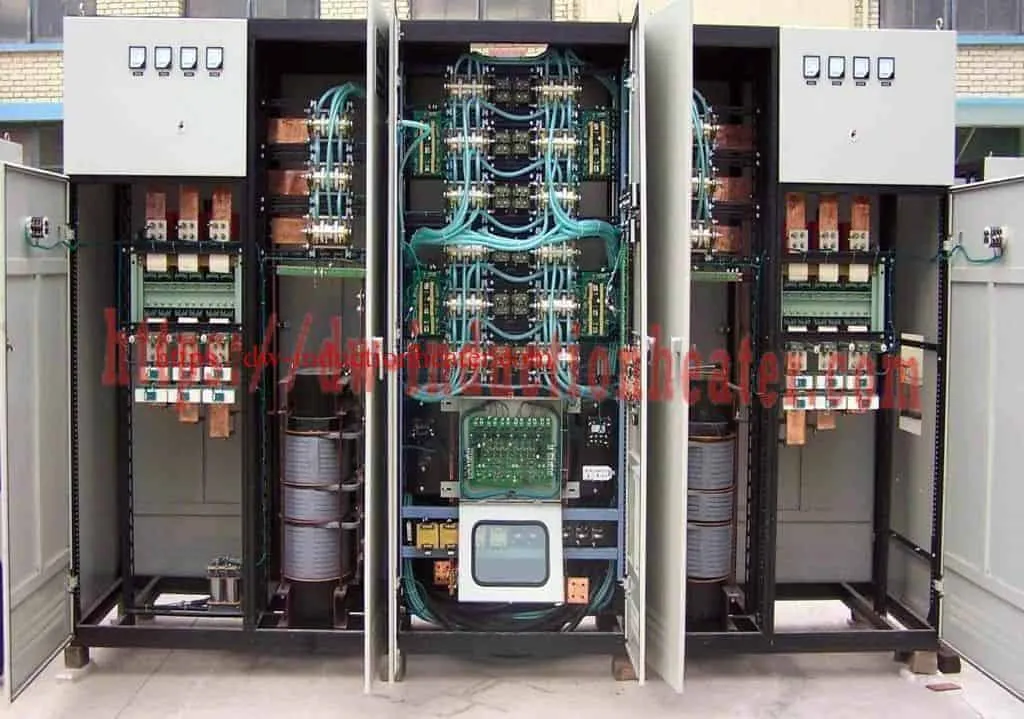
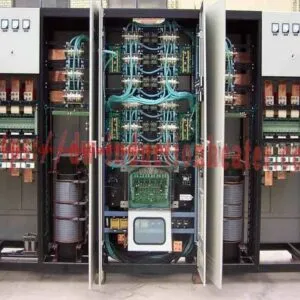
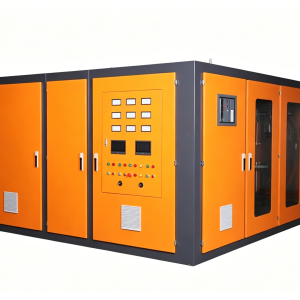
| IF / KGPS Power Supply | Converts input power into medium-frequency furnace output. | Determines melting speed and electrical stability. |
| Capacitor Cabinet | Provides reactive power compensation and resonance matching. | Important for furnace efficiency and stable output. |
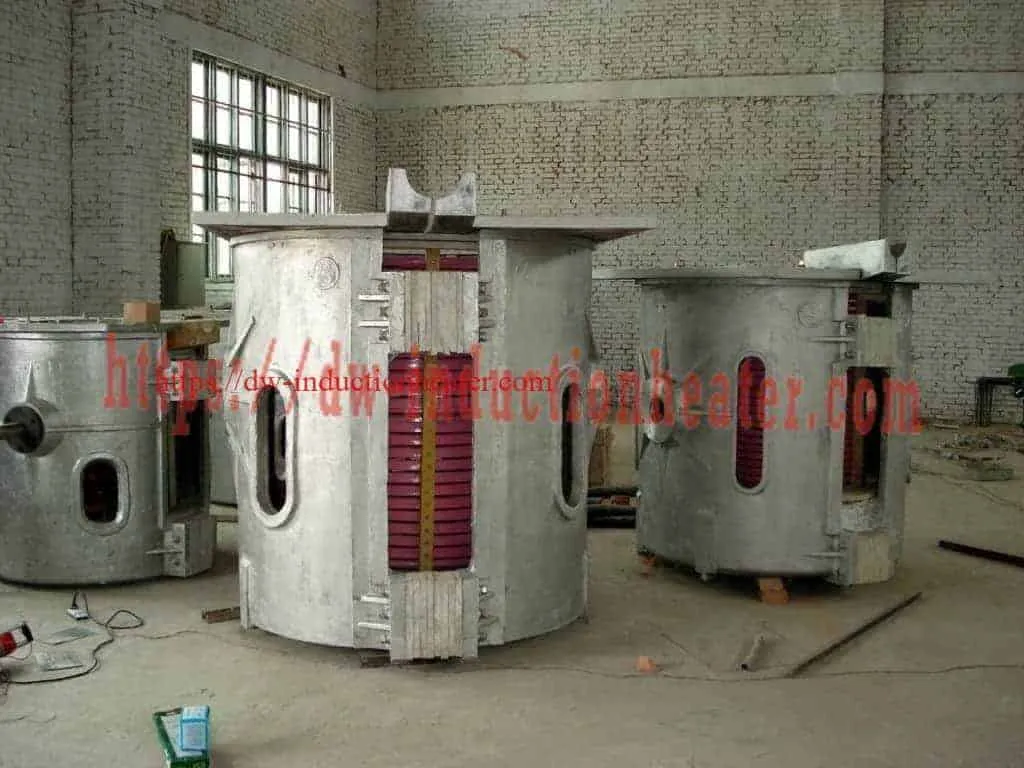
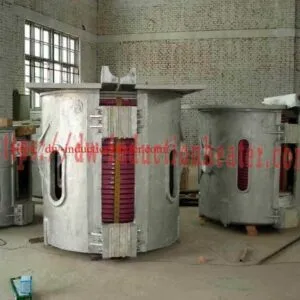
| Furnace Body | Holds the crucible, induction coil and refractory lining. | Available in steel shell or aluminum shell design. |
| Induction Coil | Generates magnetic field around the crucible. | Water-cooled copper coil must be well insulated and protected. |
| Crucible / Lining | Contains molten metal and protects the coil. | Material selection depends on metal type and temperature. |
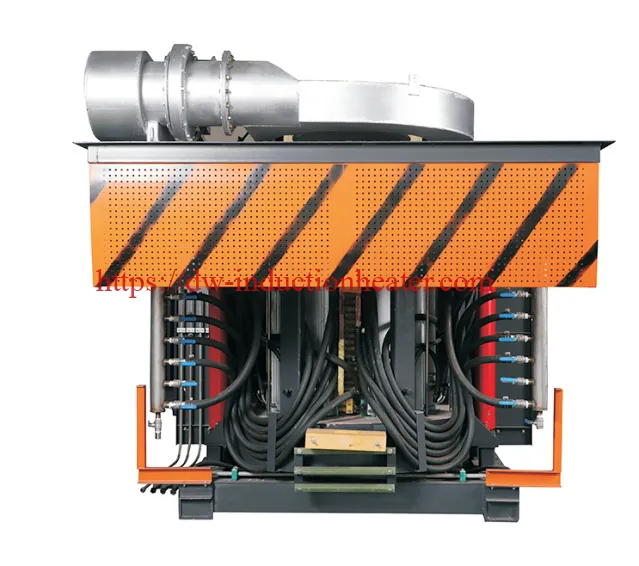
| Hydraulic Tilting System | Tilts furnace for pouring molten metal. | Improves pouring control and reduces manual risk. |
| Water-Cooled Cable | Transfers high current from power system to furnace body. | Requires correct water flow and electrical connection. |
| Water Distributor | Distributes cooling water to coil, cables and power components. | Flow monitoring is recommended for safety. |
 Control System and Automation

Modern induction furnaces can use digital control, automatic load tracking, PLC interfaces, HMI operation panels and temperature feedback. These functions help reduce manual dependence and improve melting consistency.
| Control Function | Purpose | Benefit |
|---|---|---|
| Automatic Load Matching | Tracks furnace load condition during melting. | Improves power utilization and reduces operator adjustment. |
| Digital Non-Relay Control | Improves electrical reliability. | Reduces control failure and maintenance frequency. |
| PLC Interface | Connects furnace to production control systems. | Supports intelligent foundry operation. |
| HMI Interface | Allows operator-friendly parameter setting. | Improves process visibility and operating convenience. |
| Temperature Feedback | Measures molten metal or process temperature. | Supports closed-loop temperature control. |
| Alarm Protection | Monitors over-current, over-voltage, phase loss and water pressure. | Protects equipment and reduces downtime. |
Cooling and Safety System
Cooling is essential for induction furnace safety. The induction coil, water-cooled cables, capacitor cabinet and power supply generate heat during operation. Insufficient cooling can cause alarms, insulation damage, coil failure or safety hazards.
| Safety / Cooling Item | Function | Recommendation |
|---|---|---|
| Cooling Water System | Cools coil, power supply, capacitors and cables. | Use stable water flow, correct pressure and good water quality. |
| Water Pressure Protection | Stops system under insufficient water pressure. | Required for safe continuous operation. |
| Leak Furnace Alarm | Detects furnace lining failure or molten metal leakage risk. | Recommended for steel, iron and large furnace systems. |
| Over-Current Protection | Protects power components under abnormal load. | Important during charging and melting stage. |
| Over-Voltage Protection | Prevents electrical damage during unstable conditions. | Improves power supply reliability. |
| Phase-Loss Protection | Protects the system from missing phase input. | Reduces damage caused by poor electrical supply. |
| Hydraulic Tilting Safety | Controls molten metal pouring movement. | Check hydraulic cylinder, limit switch and emergency stop regularly. |
Common Problems and Solutions
| Problem | Possible Cause | Engineering Solution |
|---|---|---|
| Melting time is too long | Power is too low, charge is too large, lining is poor or voltage is unstable. | Select proper power, improve charge loading, repair lining and check input power. |
| High energy consumption | Long holding time, poor insulation, wet charge or poor operating practice. | Reduce holding time, dry charge, optimize lining and improve melting schedule. |
| Molten metal temperature is uneven | Insufficient melting time, poor stirring or incorrect charge distribution. | Allow proper bath circulation and use correct charging sequence. |
| Power supply alarms frequently | Over-current, poor cooling, unstable voltage or load mismatch. | Check cooling water, furnace load, capacitor cabinet and input power quality. |
| Furnace lining wears quickly | Wrong refractory material, thermal shock or mechanical damage during charging. | Select proper lining, preheat correctly and avoid dropping heavy charge onto lining. |
| Oxidation loss is high | Excessive temperature, long holding time or poor slag coverage. | Control temperature, reduce holding time and use proper flux or cover when needed. |
| Pouring is unstable | Hydraulic system problem or poor ladle/furnace alignment. | Inspect tilting mechanism, hydraulic system and pouring layout. |
Engineering Selection Guide
Selecting an induction furnace should not be based only on the rated capacity. Buyers should evaluate production output, metal type, melting temperature, power supply, transformer capacity, cooling system, furnace lining, tilting method and safety requirements.
| Selection Factor | What to Confirm | Engineering Recommendation |
|---|---|---|
| Metal Type | Steel, cast iron, aluminum, copper, brass or alloy. | Choose lining, crucible and power density according to metal properties. |
| Batch Capacity | Required kg per batch. | Select furnace capacity with reasonable margin for production demand. |
| Melting Time | Required minutes per batch. | Higher power reduces melting time but increases electrical demand. |
| Daily Production | Tons per shift or tons per day. | Calculate furnace number and power based on actual casting schedule. |
| Input Power | Voltage, transformer capacity and electrical room condition. | Confirm transformer and cable capacity before installation. |
| Cooling System | Water flow, pressure, temperature and water quality. | Use closed-loop cooling system for stable long-term operation. |
| Pouring Method | Manual, mechanical or hydraulic tilting. | Hydraulic tilting is recommended for medium and large furnaces. |
| Safety Level | Leak furnace alarm, water pressure protection and emergency stop. | Large furnaces should use full protection configuration. |
Advantages
| Advantage | Engineering Meaning | Buyer Value |
|---|---|---|
| High Melting Efficiency | Heat is generated inside the metal charge. | Faster melting and better power utilization. |
| Temperature Uniformity | Electromagnetic stirring improves molten bath circulation. | More stable casting quality and alloy composition. |
| Lower Oxidation Loss | Cleaner electric melting reduces flame-related oxidation. | Improves metal yield and reduces material waste. |
| Easy Control | Power and temperature can be adjusted electrically. | Better process repeatability. |
| Cleaner Workshop | No direct combustion inside the furnace. | Improves working environment compared with many fuel-fired furnaces. |
| Flexible Metal Melting | Can melt many different metals and alloys. | Useful for foundries with changing production orders. |
| Automation Compatibility | Can use PLC, HMI and temperature feedback. | Supports intelligent foundry and stable production management. |
 Limitations

| Limitation | Reason | Recommended Solution |
|---|---|---|
| Requires sufficient electrical capacity | Induction melting uses high electrical power. | Confirm transformer capacity and factory power supply before ordering. |
| Requires water cooling | Coil, cables and power components carry high current. | Install reliable cooling system with water pressure protection. |
| Furnace lining is consumable | Refractory lining is exposed to high temperature and chemical attack. | Use correct lining material and follow proper sintering/maintenance procedure. |
| Charging method affects safety | Wet or sealed scrap may cause splash or explosion risk. | Use dry, clean and safe charge materials. |
| Not ideal for non-conductive materials | Induction heating requires conductive charge or susceptor. | Use other furnace types for glass, ceramic or non-conductive materials unless specially designed. |
Why Choose HLQ Induction Equipment?
HLQ Induction Equipment provides induction melting furnaces, metal melting systems and customized electromagnetic heating solutions for steel, iron, aluminum, copper, brass and alloy processing. The value of a melting furnace project is not only the furnace price. A successful system must match furnace capacity, power supply, cooling water, transformer capacity, metal type, refractory lining, hydraulic tilting and production target.
| HLQ Capability | What It Means | Customer Benefit |
|---|---|---|
| Wide Furnace Capacity Range | Small, medium and large induction furnaces can be configured. | Suitable for laboratory, recycling and foundry applications. |
| Metal Melting Experience | Supports steel, iron, copper, brass, aluminum and alloy melting. | Better system matching for different metals. |
| Power Supply Matching | IF/KGPS power supplies can be selected according to capacity. | Improves melting speed and system reliability. |
| Complete Furnace System | Power supply, capacitor cabinet, furnace body, cooling and tilting can be supplied together. | Reduces installation and compatibility problems. |
| Optional Automation | PLC, HMI and temperature control can be configured. | Supports intelligent and repeatable melting operation. |
| Engineering Selection Support | Helps confirm capacity, power, voltage, transformer and cooling system. | Reduces wrong selection risk before purchase. |
FAQ
1. What is an induction furnace?
An induction furnace is an electric metal melting furnace that uses electromagnetic induction to generate heat inside the metal charge. It is used for melting steel, iron, copper, brass, aluminum and many alloys.
2. How does an induction furnace work?
The power supply sends medium-frequency current through a water-cooled copper coil. The coil creates an alternating magnetic field, which induces eddy currents inside the metal charge. These currents generate heat and melt the metal.
3. What metals can be melted in an induction furnace?
Induction furnaces can melt carbon steel, cast iron, stainless steel, aluminum, copper, brass, bronze, zinc, tin, gold, silver and many alloy materials.
4. What is the difference between an induction furnace and a gas furnace?
An induction furnace uses electricity and electromagnetic induction to heat metal directly. A gas furnace uses fuel combustion and transfers heat from flame or hot gas. Induction furnaces usually offer cleaner operation, faster control and better temperature uniformity.
5. What capacity induction furnace should I choose?
Choose capacity according to batch weight, daily production, casting schedule and melting time. Small workshops may use 50–350kg furnaces, while foundries may require 500kg, 1000kg, 3000kg or 5000kg systems.
6. How much electricity does an induction furnace consume?
Power consumption depends on metal type, furnace capacity and operation. As a general reference, steel may require approximately 560–900 kWh/T, cast iron 550–850 kWh/T, copper 310–500 kWh/T and aluminum 500–780 kWh/T.
7. What is a KGPS induction furnace?
A KGPS induction furnace uses a silicon-controlled medium-frequency power supply. It is widely used for metal melting, smelting and foundry production where robust furnace power and stable operation are required.
8. Is hydraulic tilting necessary?
Hydraulic tilting is recommended for medium and large furnaces because it improves pouring stability, reduces manual labor and improves operator safety.
9. Does an induction furnace need water cooling?
Yes. The power supply, induction coil, capacitor cabinet and water-cooled cables require stable cooling water. Water pressure and flow protection are important for safe operation.
10. What information is needed for quotation?
Please provide metal type, batch capacity, required melting time, daily production, local voltage, transformer capacity, cooling water condition, pouring method and workshop layout. This information helps select the correct furnace capacity, power supply and auxiliary equipment.