Induction Brazing Stainless Steel Tubing Joints Parts
The Professional Induction Brazing Stainless Steel Tubing Joints Technology
How Does Induction Brazing Join Stainless Steel Tubing?
Induction brazing stainless steel tubing uses a high-frequency electromagnetic field to rapidly heat the tube joint until the brazing filler metal melts and flows through the joint by capillary action, creating a strong and repeatable connection.
The goal of this induction brazing application test is for Induction Brazing Stainless Steel Tubing Joints evenly for increased repeatability.
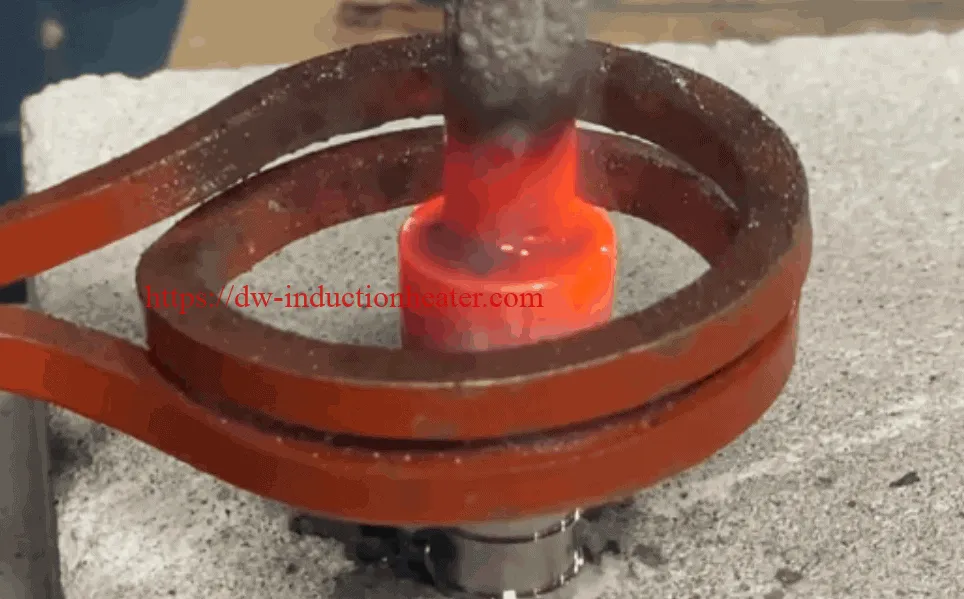
Industry: Automotive
Equipment: DW-UHF-10KW induction brazing machine
Time: 15 sec.
Materials: Stay Silv Black Flux
Temperature: 1472°F (800°C)
Power: 8 kW
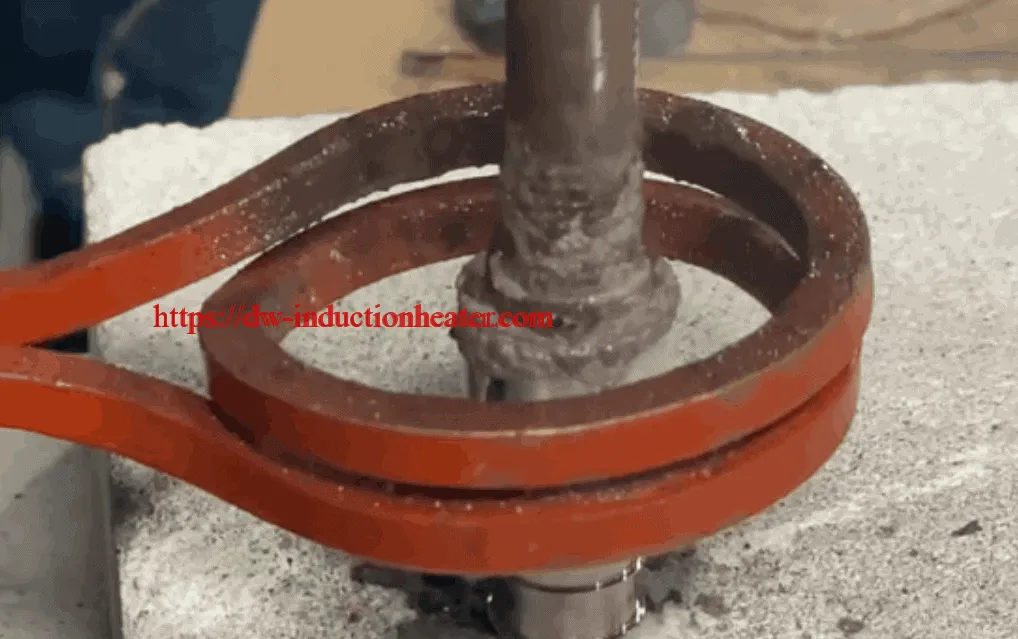
Process:
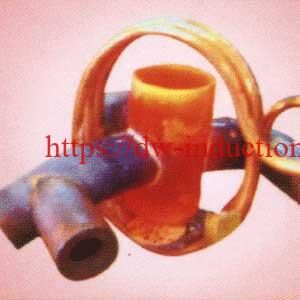
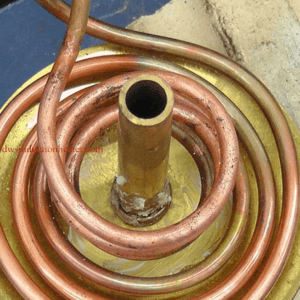
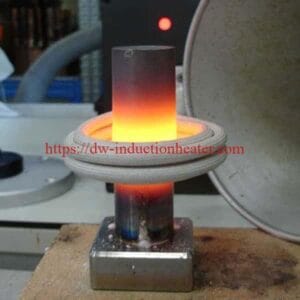
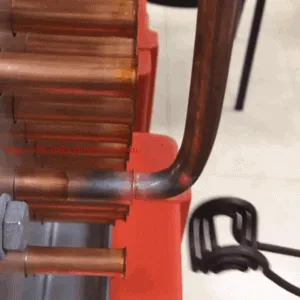
The two stainless tubes where joined together and an alloy ring was placed around the joint. Black flux was then applied to the joint for a better induction brazing process. The work piece was placed inside the helical coil for 15 seconds where 8 kW of induction heating power was applied. The work piece reached 1472°F (800°C) and was successfully brazed. The HLQ induction heating equipment recommend for this application is the DW-UHF-10KW induction brazing heater along with a 10 kW power supply.
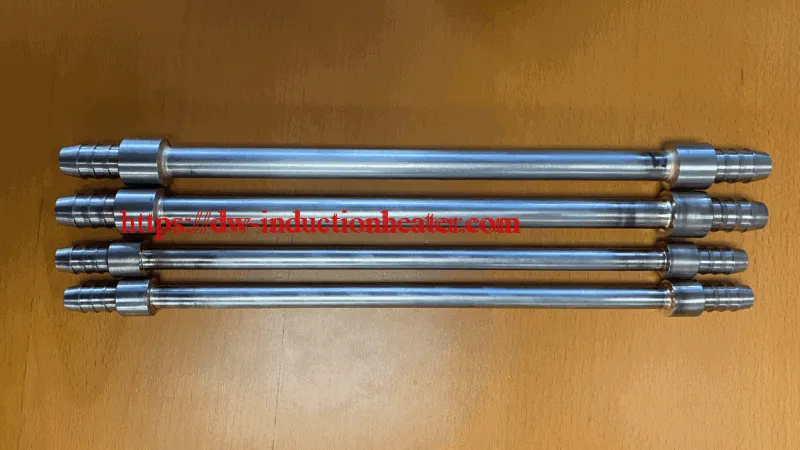
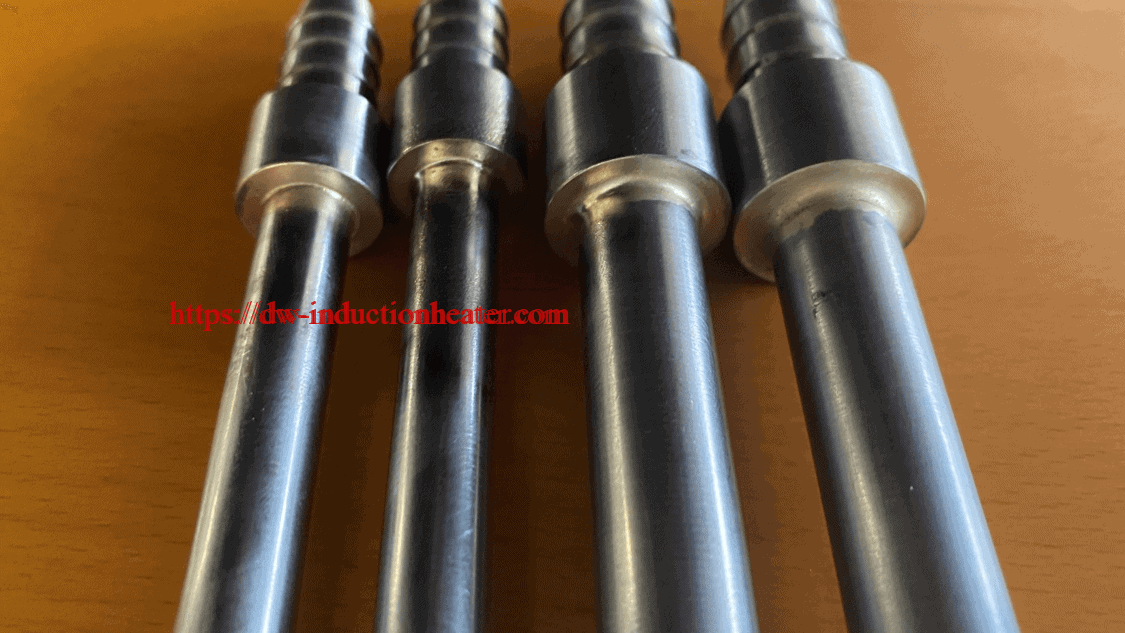
Technical Table – Stainless Steel Tube Induction Brazing
Technical Table – Stainless Steel Tube Induction Brazing
| Technical Parameter | Specification / Test Data |
|---|---|
| Application | Induction brazing stainless steel tubing joints |
| Industry | Automotive |
| Base Material | Stainless steel tubing |
| Induction Brazing Machine | HLQ DW-UHF-10kW |
| Rated Equipment Power | 10 kW |
| Applied Process Power | Approx. 8 kW |
| Brazing Temperature | Approx. 1472°F / 800°C |
| Heating Time | Approx. 15 seconds |
| Brazing Material | Preformed brazing alloy ring |
| Flux | Stay-Silv Black Flux |
| Coil Type | Helical induction coil |
| Heating Method | Localized high-frequency induction heating |
| Joint Preparation | Tube assembly + alloy ring + flux |
| Process Control | Power, time and coil position |
| Primary Objective | Uniform heating and improved repeatability |
| Production Capability | Manual, semi-automatic or automated |
| Typical Applications | Automotive tubing, stainless fittings, pipe assemblies |
| Main Benefit | Rapid and repeatable localized brazing |
Why Use High-Frequency Induction Heating for Stainless Steel Tube Brazing?
Stainless steel tubing often requires precise and repeatable heating around a relatively narrow joint zone. Conventional flame heating may expose a larger area of the component to heat and can depend heavily on operator technique.
With induction brazing, the coil concentrates electromagnetic energy directly around the tubing joint. The preformed filler ring receives uniform heat around the circumference and melts once the assembly reaches brazing temperature.
For repetitive manufacturing, important parameters can be standardized:
power + heating time + coil position + joint clearance + filler quantity + temperature
This improves repeatability from component to component.
The existing HLQ test specifically targeted more even brazing and increased process repeatability.
FAQs
1. Can stainless steel tubing be brazed with induction heating?
Yes. Stainless steel tubing can be brazed very effectively using high-frequency induction heating.
The induction coil concentrates energy at the tube joint until the brazing filler metal melts and flows through the interface.
In this application, two stainless steel tubes were successfully joined using an HLQ DW-UHF-10kW induction brazing system.
2. How long does induction brazing stainless steel tubing take?
Heating time depends on tube diameter, wall thickness, joint mass, brazing alloy and coil design.
For this HLQ automotive application, the stainless steel joint reached brazing temperature in approximately 15 seconds using about 8 kW process power.
3. What temperature is required for brazing stainless steel tubing?
The required temperature depends primarily on the selected brazing alloy.
In this application, the stainless steel tubing joint reached approximately 1472°F (800°C) before successful brazing occurred.
The actual production temperature should always be selected according to the filler-metal specification.
4. What size induction brazing machine is suitable for stainless steel tubes?
The required system power depends on tube dimensions, joint mass and required cycle time.
For this application, HLQ used a DW-UHF-10kW induction brazing machine, with approximately 8 kW applied during the test.
Larger tubing or faster production requirements may require a higher-power system.
5. What type of induction coil is used for stainless steel tubing brazing?
A helical induction coil was used in this application.
Helical coils are well suited to circumferential tube joints because they can surround the brazing area and provide relatively even heating around the joint.
The exact coil diameter, number of turns and coupling distance should be designed for the actual tube dimensions.
6. Why use a preformed brazing alloy ring?
A preformed brazing ring places a controlled quantity of filler material around the tubing joint.
Once the joint reaches brazing temperature, the alloy melts and flows around the interface by capillary action.
This can improve repeatability compared with manually feeding different amounts of filler wire into every joint.
7. What flux is used for stainless steel induction brazing?
The tested application used Stay-Silv Black Flux.
Flux helps remove and prevent oxide formation so the molten brazing filler can properly wet the stainless steel surfaces.
The flux must always be compatible with the selected filler alloy and stainless steel grade.
8. Can stainless steel tube induction brazing be automated?
Yes.
The process can be integrated with:
- PLC-controlled heating cycles
- Pneumatic or servo fixtures
- Automatic tube positioning
- Brazing-ring feeding
- Temperature monitoring
- Robotic loading
- Automatic cooling
Because induction heating allows power and time to be programmed, it is particularly suitable for repetitive automotive and industrial tubing production.