


Brass-Zinc Alloy Separation Furnace – Induction Melting Distillation Furnace
Brass-Zinc Alloy Separation Furnace – Induction Melting Distillation Furnace: Complete Technical Guide
Table 1. Why Brass-Zinc Separation Matters
Chart 1. Main Drivers for Brass-Zinc Separation Technology
Table 2. Main Components of the Furnace
Which Materials are suitable for separation distillation?
Table 5. Feed Quality Considerations
Chart 2. Suitability of Common Feed Materials
Formula 1. Simplified Recovery Efficiency
Formula 3. Total Recovery Value
Table 6. Separation Process Principle
Diagram Sketch 1. Simplified Process Path
Chart 3. Relative Distillation Behavior
Table 8. Typical Industrial Sectors
Table 10. Compared with Conventional Processing
Chart 4. Main Benefits of Separation Distillation
Table 11. Key Features of Furnace
Table 12. Functional Furnace Features
Furnace & Technical Parameters
Table 13. Typical Technical Parameter Range
Table 14. Key Process Variables
Formula 5. Zinc Condensation Efficiency
Chart 5. Main Factors Affecting Furnace Performance
How to choose a suitable furnace?
Table 15. Furnace Selection Checklist
Table 16. Quick Selection Guide
Diagram Sketch 2. Selection Flow
Frequently Asked Questions (FAQs)
Introduction
The recovery and separation of zinc from brass and other copper-zinc alloy materials has become an increasingly important topic in non-ferrous metallurgy and metal recycling. As industrial plants seek better resource efficiency, lower waste, and stronger recovery value, the use of a brass-zinc alloy separation furnace has gained significant attention. Among the most advanced solutions in this field is the induction melting distillation furnace, which combines controlled thermal processing with selective metal evaporation and condensation.
Brass is one of the most widely used non-ferrous alloys in industry. It is commonly found in valves, plumbing fittings, hardware, electrical connectors, decorative components, and machining scrap. Because brass is primarily made of copper and zinc, its recycling value depends heavily on how efficiently these metals can be separated and recovered. Conventional remelting may preserve alloy value in some cases, but where selective zinc recovery is required, a specialized separation furnace offers a more technically and economically attractive solution.
An induction melting distillation furnace is designed to heat brass or zinc-bearing alloy feed material under carefully controlled conditions so that zinc can be volatilized and then recovered through condensation, while copper-rich residue is retained for reuse or further refining. This makes it particularly useful for brass recycling, zinc recovery, alloy refining, and secondary metal processing applications.
Table 1. Why Brass-Zinc Separation Matters
| Factor | Importance |
| Zinc recovery value | Improves total scrap value |
| Copper residue value | Supports further reuse or refining |
| Brass recycling volume | Large and growing industrial source |
| Secondary resource demand | Reduces reliance on virgin metals |
| Cleaner metallurgy | Supports sustainable processing |
Chart 1. Main Drivers for Brass-Zinc Separation Technology

What is it?
A brass-zinc alloy separation furnace is a metallurgical furnace designed to separate zinc from brass and similar copper-zinc materials through controlled heating and selective distillation. When this process is driven by induction heating and distillation technology, the equipment is often called an induction melting distillation furnace.
This furnace uses heat to volatilize zinc from copper-zinc alloy feedstock. Zinc, being more volatile than copper, evaporates under appropriate thermal and pressure conditions and is then collected in a condensation section. Copper remains mainly in the furnace residue as a copper-rich material.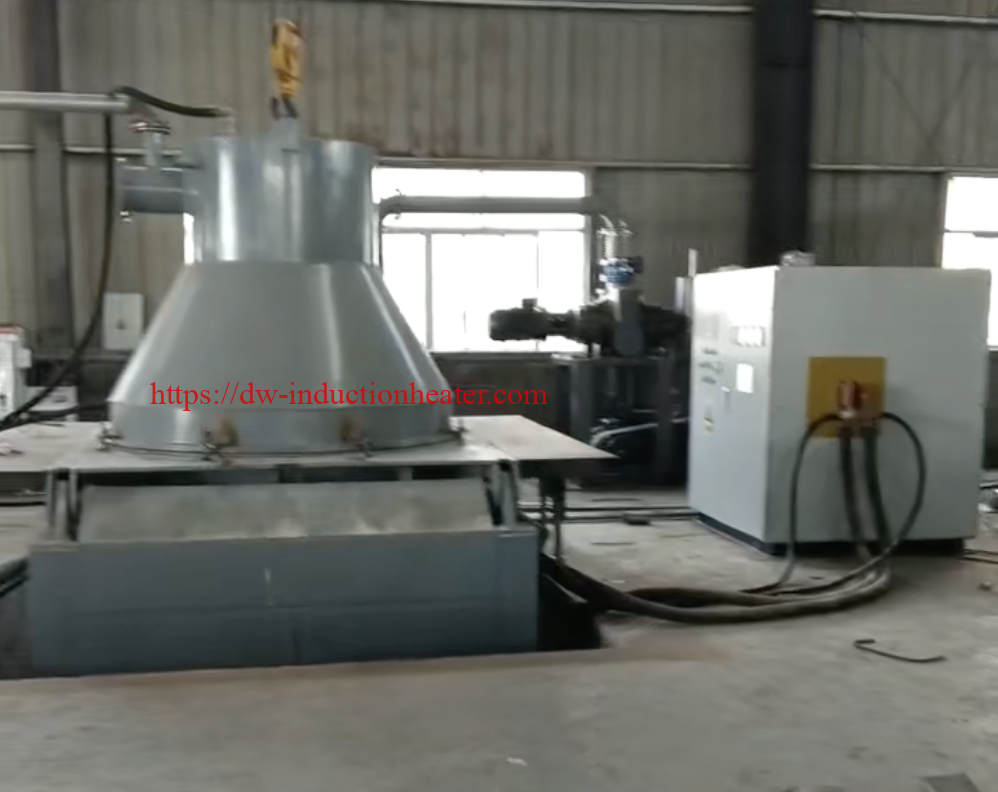
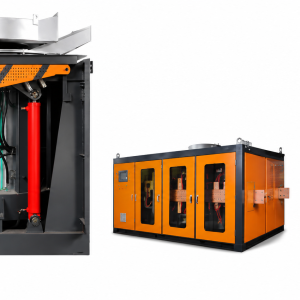
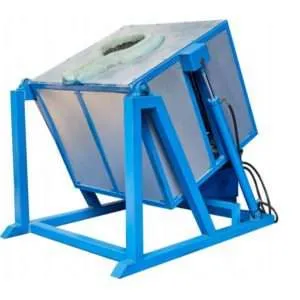
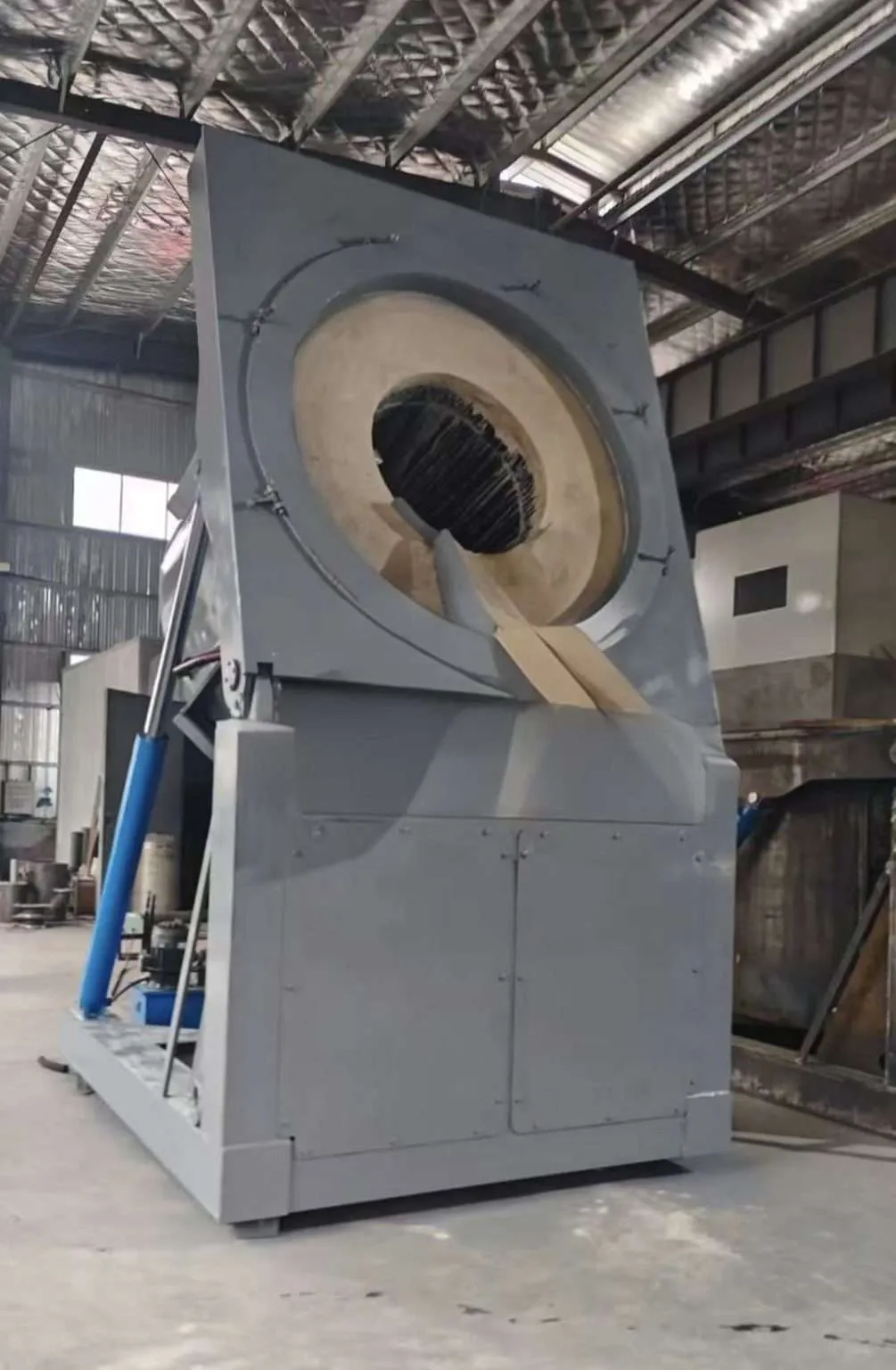
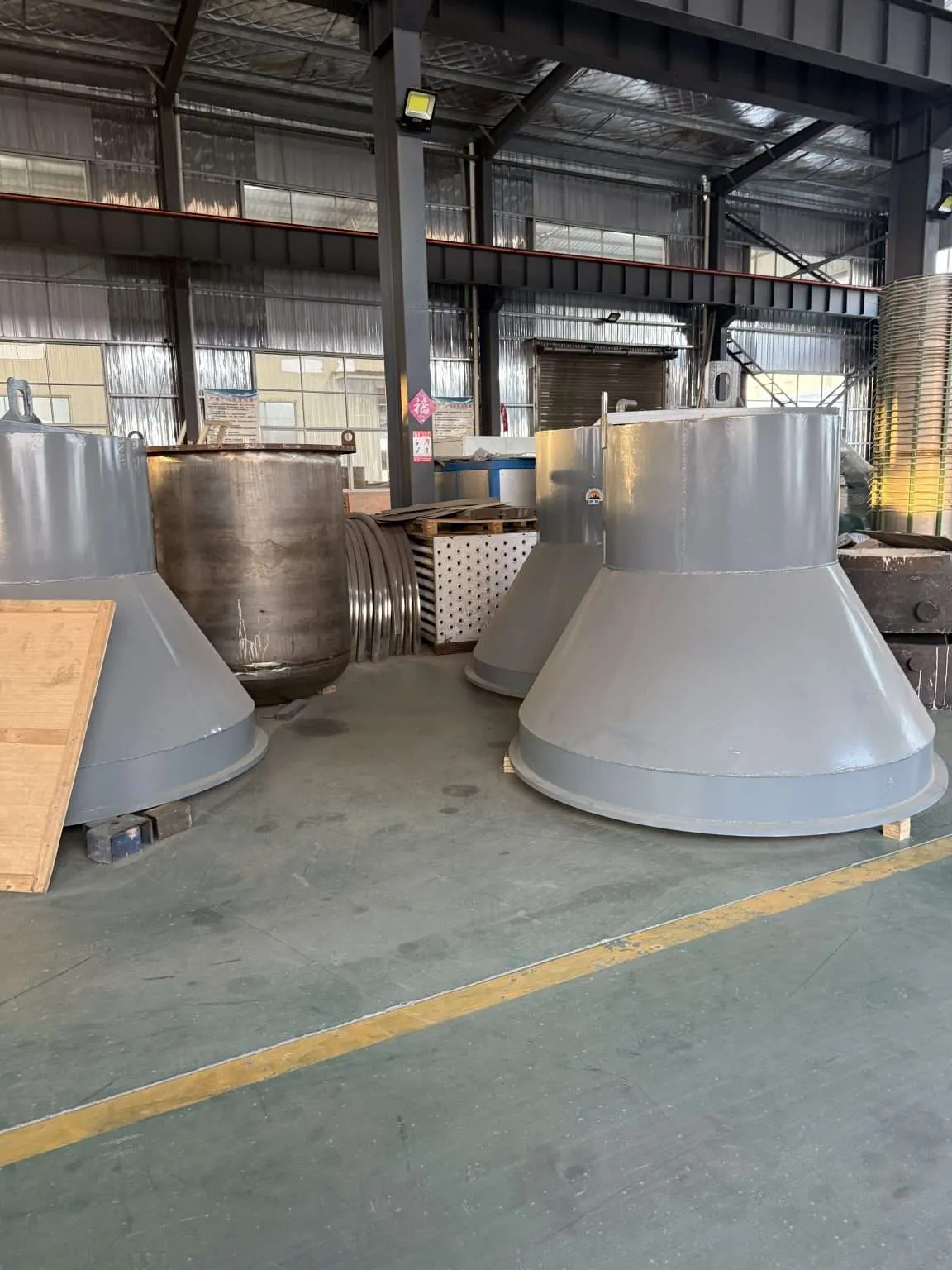
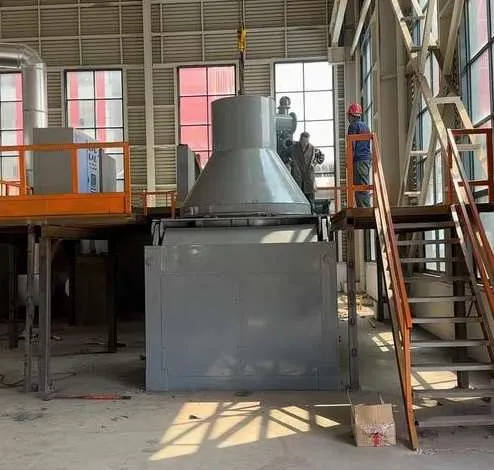
The furnace generally includes a heating chamber, induction or thermal heating system, insulation structure, vapor channel, condensation section, recovery vessel, and process control system. Depending on design, it may operate under vacuum or specially controlled atmospheric conditions.
Table 2. Main Components of the Furnace
| Component | Function |
| Heating chamber | Holds brass or alloy feedstock |
| Induction heating system | Provides controlled heat input |
| Insulation system | Reduces heat loss |
| Vapor passage | Guides zinc vapor to recovery zone |
| Condensation system | Condenses zinc vapor into recoverable metal |
| Collection unit | Stores recovered zinc product |
| Control cabinet | Controls temperature, time, and process logic |
| Furnace frame | Supports the whole structure |
Table 3. Basic Definition
| Item | Description |
| Furnace type | Thermal separation furnace |
| Main process | Zinc evaporation and recovery |
| Main residue | Copper-rich material |
| Typical feed | Brass scrap and copper-zinc alloy waste |
| Main purpose | Copper-zinc separation and metal recovery |
Which Materials are suitable for separation distillation?
Not all metal feedstocks are equally suitable for distillation separation. The most suitable materials are those that contain zinc in sufficient concentration and where the value of selective zinc recovery is high. Brass and copper-zinc alloy residues are the most common candidates.
Table 4. Suitable Materials
| Material | Suitability | Typical Source |
| Brass scrap | Excellent | Hardware, fittings, machining scrap |
| Copper-zinc alloy residues | Excellent | Manufacturing and foundry waste |
| Brass turnings and chips | Good | Machining workshops |
| Brass dross and ash | Good | Thermal processing residues |
| Zinc-bearing copper residues | Good | Metallurgical by-products |
| Brass off-grade products | Good | Factory rejects |
| Complex non-ferrous scrap | Conditional | Depends on contamination level |
Table 5. Feed Quality Considerations
| Parameter | Importance |
| Zinc percentage | Determines recovery potential |
| Copper percentage | Determines residue value |
| Contaminants | Affects recovery quality |
| Oxidation level | May affect process efficiency |
| Moisture content | Should be minimized |
| Particle size / shape | Affects heat transfer and batch behavior |
Chart 2. Suitability of Common Feed Materials
Brass scrap -> Very high suitabilityCopper-zinc alloy residues -> Very high suitabilityBrass turnings -> High suitabilityBrass dross -> Medium to high suitabilityMixed scrap -> Case-dependent suitability
Principle
The separation principle of a brass-zinc alloy separation furnace is based on the difference in volatility between zinc and copper. Zinc has a much higher vapor pressure and can evaporate preferentially when the alloy is heated under appropriate conditions. Copper, by contrast, remains largely in the residue phase.
In an induction melting distillation furnace, heat is supplied in a controlled way so that zinc volatilization can occur efficiently while preserving the copper-bearing fraction. If vacuum is used, zinc evaporation becomes even more favorable.
Formula 1. Simplified Recovery Efficiency
Zinc Recovery (%) = (Recovered Zinc Mass / Zinc in Feed) × 100
Formula 2. Copper Retention
Copper Retention (%) = (Copper in Residue / Copper in Feed) × 100
Formula 3. Total Recovery Value
Recovery Value = (Recovered Zinc × Zinc Unit Price) + (Copper Residue × Copper Residue Unit Price)
Table 6. Separation Process Principle
| Stage | Technical Effect |
| Charging | Brass or alloy feed loaded into furnace |
| Heating | Zinc begins to volatilize |
| Vapor transfer | Zinc vapor moves toward cooler zone |
| Condensation | Zinc vapor becomes recoverable condensed metal |
| Residue retention | Copper-rich material remains in chamber |
Diagram Sketch 1. Simplified Process Path
Feed Material -> Heating Chamber -> Zinc Evaporation -> Vapor Transfer-> Condensation Zone -> Zinc Collection-> Copper-Rich Residue Discharge
Chart 3. Relative Distillation Behavior
During controlled separation:Zinc -> evaporates and is recoveredCopper -> remains mainly in residue
Applications
A brass-zinc alloy separation furnace has multiple applications in modern non-ferrous recycling and metallurgy. The most important is brass scrap recycling, where zinc is selectively recovered and copper-rich material is preserved.
Other applications include alloy refining, zinc recovery from residues, de-zincing of copper-zinc feedstock, and treatment of non-ferrous by-products.
Table 7. Main Applications
| Application | Description |
| Brass scrap recycling | Recovery of zinc from brass waste |
| Brass dezincing | Controlled removal of zinc from alloy |
| Zinc recovery from residues | Treatment of zinc-bearing alloy waste |
| Copper-rich residue upgrading | Improving residue quality for reuse |
| Secondary metallurgy | Recovery from non-ferrous process by-products |
Table 8. Typical Industrial Sectors
| Industry | Typical Feed Material |
| Brass product manufacturing | Offcuts and rejected parts |
| Metal recycling plants | Mixed brass scrap |
| Hardware industry | Brass machining waste |
| Foundries | Brass ash and residue |
| Secondary smelters | Copper-zinc by-products |
Advantages
The induction melting distillation furnace offers important technical and economic advantages for brass-zinc separation and recovery. Its main value lies in selective separation, process control, and better recovery economics.
Table 9. Main Advantages
| Advantage | Benefit |
| Selective zinc recovery | Better separation quality |
| Copper-rich residue preservation | Better downstream reuse |
| Controlled thermal process | Improved repeatability |
| Reduced oxidation | Cleaner recovery |
| High-value recycling route | Better total metal value |
| Flexible feed handling | Suitable for different brass scrap types |
| Better process cleanliness | Supports modern recycling plants |
Table 10. Compared with Conventional Processing
| Item | Induction Melting Distillation Furnace | Conventional Melting |
| Zinc selectivity | Higher | Lower |
| Copper residue quality | Better preserved | More mixed |
| Recovery value | Higher potential | Lower potential |
| Oxidation control | Better | Worse |
| Process precision | Higher | Lower |
Chart 4. Main Benefits of Separation Distillation

Features of furnace
A high-quality brass-zinc alloy separation furnace should provide stable heating, good insulation, effective zinc vapor transfer, efficient condensation, and reliable process control. The use of induction heating adds faster response and better controllability in many designs.
Table 11. Key Features of Furnace
| Feature | Technical Value |
| Controlled heating | Supports stable distillation |
| Strong insulation | Reduces energy loss |
| Efficient vapor path | Improves zinc transfer |
| Condensation section | Supports zinc recovery |
| Robust structure | Handles thermal cycling |
| Process control system | Improves repeatability |
| Flexible batch handling | Suitable for variable scrap input |
Table 12. Functional Furnace Features
| Functional Area | Feature |
| Heating | Stable and controllable |
| Recovery | Designed for zinc condensation |
| Residue handling | Easy discharge of copper-rich material |
| Safety | Enclosed process operation |
| Monitoring | Temperature and process logic control |
Furnace & Technical Parameters
The technical parameters of a brass-zinc alloy separation furnace depend on feed composition, batch size, heating method, desired zinc recovery, and condensation design.
Table 13. Typical Technical Parameter Range
| Parameter | Typical Range |
| Batch capacity | 50 kg to several tons |
| Heating temperature | Process-dependent |
| Operating mode | Batch / semi-batch |
| Heating method | Induction or thermal distillation heating |
| Zinc recovery section | Condensation chamber or collector |
| Control mode | Manual / PLC / HMI |
| Furnace structure | Horizontal / vertical / integrated |
Table 14. Key Process Variables
| Variable | Importance |
| Temperature | Determines distillation behavior |
| Heating time | Affects separation completeness |
| Feed composition | Determines recovery efficiency |
| Zinc vapor transfer efficiency | Affects zinc output |
| Condensation efficiency | Affects zinc collection rate |
| Residue discharge method | Affects operating convenience |
Formula 4. Process Yield
Useful Product Yield (%) = (Recovered Zinc + Copper Residue) / Feed Mass × 100
Formula 5. Zinc Condensation Efficiency
Condensation Efficiency (%) = (Condensed Zinc / Zinc Vapor Generated) × 100
Chart 5. Main Factors Affecting Furnace Performance
Feed composition -> very high impactHeating temperature -> very high impactCondensation efficiency -> high impactHeating time -> medium to high impactContaminant level -> medium impactInsulation quality -> medium impact
How to choose a suitable furnace?
Choosing a suitable brass-zinc alloy separation furnace begins with understanding the feed material and the recovery objective. The buyer should first evaluate zinc content, copper content, contamination level, feed shape, moisture condition, and expected batch size.
The second step is to define whether the process goal is mainly zinc recovery, copper residue upgrading, or both. The third step is to check plant conditions such as power supply, layout space, required throughput, and available process support systems.
Table 15. Furnace Selection Checklist
| Selection Factor | Why It Matters |
| Feed composition | Determines furnace suitability |
| Zinc content | Determines zinc recovery potential |
| Copper residue value | Determines economic return |
| Batch size | Determines furnace chamber size |
| Required throughput | Affects equipment scale |
| Heating method | Must match process need |
| Condensation system quality | Critical for zinc recovery |
| Supplier technical support | Important for proper design |
Table 16. Quick Selection Guide
| If You Need | Recommended Focus |
| Better zinc recovery | Strong heating and condensation integration |
| Better copper residue quality | Stable controlled heating |
| Flexible brass scrap treatment | Batch furnace with adaptable recipe |
| Cleaner process | Enclosed recovery system |
| Higher productivity | Larger capacity or semi-batch design |
Diagram Sketch 2. Selection Flow
Analyze Brass Scrap Composition -> Define Recovery Goal -> Confirm Batch Size-> Choose Furnace Structure -> Confirm Heating and Condensation Design-> Check Utilities and Layout -> Finalize Furnace Model
Conclusion
A brass-zinc alloy separation furnace, especially when designed as an induction melting distillation furnace, is an advanced solution for selective zinc recovery and copper-rich residue preservation from brass scrap and copper-zinc alloy materials. It supports high-value metal recycling, cleaner metallurgy, and more efficient use of secondary resources.
By combining controlled heating, selective zinc evaporation, and effective condensation, this technology offers a strong route for brass recycling plants, non-ferrous recovery systems, and alloy refining operations. For companies seeking better recovery value, cleaner processing, and stronger recycling economics, a properly selected brass-zinc alloy separation furnace can provide a highly practical and future-oriented solution.
Frequently Asked Questions (FAQs)
1. What is a brass-zinc alloy separation furnace?
It is a furnace designed to separate zinc from brass or copper-zinc alloy materials through controlled thermal distillation.
2. What is an induction melting distillation furnace?
It is a furnace that uses induction or controlled thermal input to support selective evaporation and recovery of zinc from alloy feedstock.
3. What materials are suitable?
Brass scrap, copper-zinc alloy residues, brass turnings, brass dross, and zinc-bearing non-ferrous by-products are common examples.
4. Why is zinc easier to separate than copper?
Because zinc is much more volatile than copper under suitable process conditions.
5. What is the main recovered product?
The main recovered product is zinc, while copper remains mainly in the residue.
6. Is the furnace suitable for brass recycling?
Yes. Brass recycling is one of the main uses of this technology.
7. What affects zinc recovery efficiency?
Temperature, heating time, feed composition, and condensation efficiency all affect recovery performance.
8. Why is condensation important?
Because zinc vapor must be condensed effectively to achieve high recovery value.
9. Can the copper residue still be valuable?
Yes. The copper-rich residue can often be reused, refined, or remelted.
10. How do I choose the right furnace?
You should evaluate feed material, zinc recovery goal, batch size, throughput requirement, plant utilities, and supplier engineering capability.