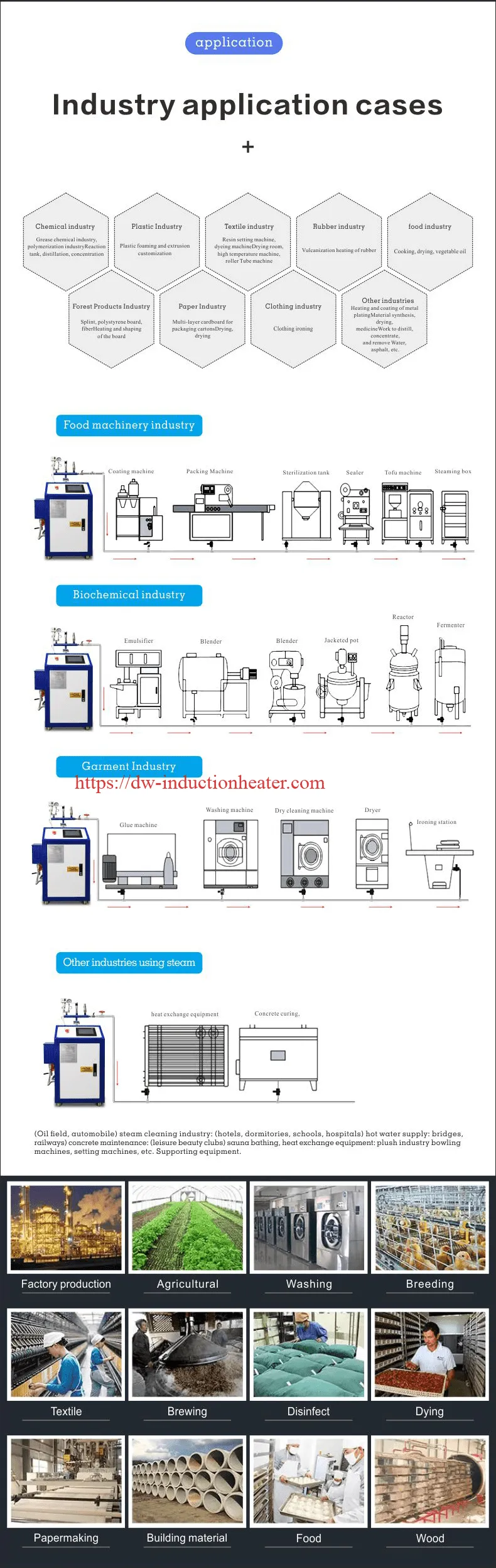
How Electromagnetic Induction Steam Generators are Revolutionizing the Manufacturing Industry.
The manufacturing industry is constantly evolving, with new technologies emerging every day. One such technology that is revolutionizing the industry is the Electromagnetic Induction Steam Generator. This innovative steam generator uses the principles of electromagnetic induction to create steam, which can be used in a variety of manufacturing processes. Unlike traditional steam generators, which rely on fossil fuels or other non-renewable resources, electromagnetic induction steam generators are more eco-friendly and cost-effective. In this post, we’ll explore how electromagnetic induction steam generators work, their benefits to the manufacturing industry, and how they’re changing the game for manufacturers around the world.
What is an Electromagnetic Induction Steam Generator?
An Electromagnetic Induction Steam Generator is a type of steam generator that uses electromagnetic induction to heat water and create steam. This technology has revolutionized the manufacturing industry by providing a more efficient and cost-effective way to produce steam. Unlike traditional steam generators, which use fuel to heat water and create steam, the Electromagnetic Induction Steam Generator uses a series of coils to create an electromagnetic field that heats the water and turns it into steam. This process is much more energy-efficient than traditional steam generation methods, as it requires less fuel and produces less waste. Additionally, the Electromagnetic Induction Steam Generator is much smaller and more compact than traditional steam generators, making it a popular choice for manufacturing companies with limited space. Overall, the Electromagnetic Induction Steam Generator is a game-changer in the manufacturing industry and is helping to push the industry towards a more sustainable and efficient future.
How Electromagnetic Induction Steam Generators Work
Electromagnetic induction steam generators are a fascinating new development in the manufacturing industry. 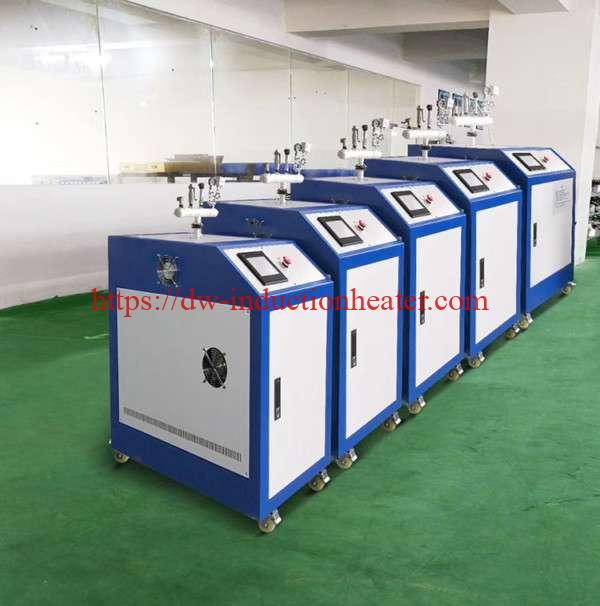 Unlike traditional steam generators that use a fuel source to heat water and create steam, electromagnetic induction steam generators utilize electromagnetic induction technology to heat water without the need for any fuel source. The process works by passing an electrical current through a coil, which creates a magnetic field.This magnetic field then heats up a metal plate, which is in contact with the water, and this causes the water to heat up and turn into steam. This process is incredibly efficient because it doesn’t waste any energy on heating elements that are not in contact with the water. The benefits of using electromagnetic induction steam generators are numerous. They are incredibly energy-efficient, have a small footprint, and are easy to operate. Plus, they are environmentally friendly because they don’t use any fossil fuels. In addition to being used in the manufacturing industry, these generators are also being used in hospitals, hotels, and other commercial settings where a reliable and efficient source of steam is required. Overall, electromagnetic induction steam generators are a revolutionary new technology that has the potential to change the way we think about steam generation. By using electromagnetic induction technology, these generators offer an energy-efficient and environmentally friendly alternative to traditional steam generators.
Benefits of Electromagnetic Induction Steam Generators in the Manufacturing Industry
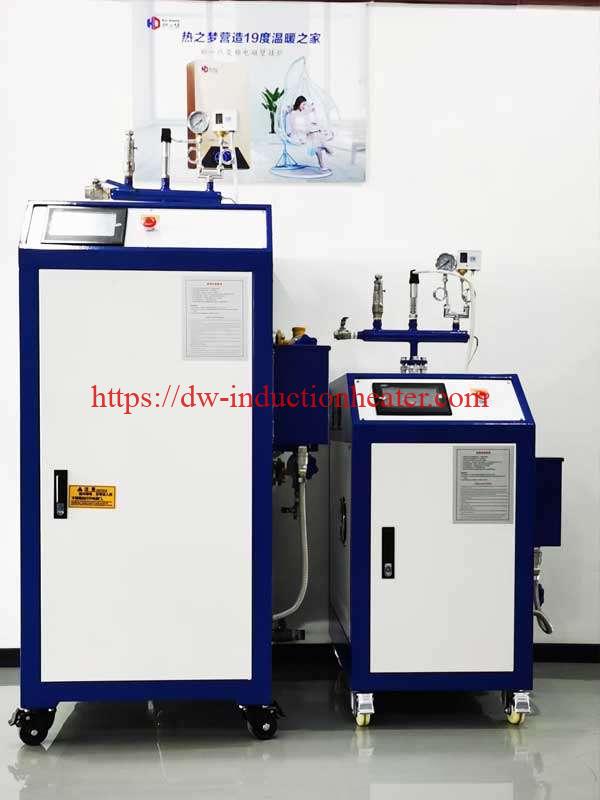 Electromagnetic Induction Steam Generators are a revolutionary technology that is transforming the manufacturing industry. These generators operate on the principles of electromagnetic induction to produce steam for industrial purposes. They are highly efficient and provide a host of benefits to manufacturing companies. One of the most significant benefits of electromagnetic induction steam generators is that they are very energy-efficient. They consume much less energy than traditional steam boilers, making them an eco-friendly option. Additionally, they are much safer to operate than traditional steam boilers, as they do not produce hazardous emissions. Electromagnetic Induction Steam Generators are also incredibly reliable, with very little downtime. This means that manufacturing companies can enjoy increased productivity and efficiency. Another benefit is that they are easy to install and require very little maintenance. They are also very versatile and can be used for a wide range of applications. With so many benefits, it is no wonder that these generators are becoming increasingly popular in the manufacturing industry.
The Future of Electromagnetic Induction Steam Generators.
The future of electromagnetic induction steam generators is very bright. These generators are already revolutionizing the manufacturing industry by providing an efficient and cost-effective solution to steam generation. As technology continues to advance, we can expect to see even more improvements in electromagnetic induction steam generators. One of the biggest advantages of these generators is their ability to produce steam quickly and efficiently, which is critical for many manufacturing processes. They are also much more sustainable than traditional steam generators, as they require less energy to operate. This means that they are not only more environmentally friendly, but they can also help businesses save money on their energy bills. Another area where we are likely to see further innovation is in the size and portability of electromagnetic induction steam generators. Smaller, more portable generators would open up new opportunities for their use in a wider range of industries, including agriculture and construction. Overall, the future of electromagnetic induction steam generators is very promising, and we can expect to see continued improvements in efficiency, sustainability, and versatility.
In conclusion, Electromagnetic induction steam generator is a type of generator that uses electromagnetic induction to heat water and produce steam. It works by passing an electric current through a coil, which creates a magnetic field. This magnetic field then induces a current in a nearby conductor, which in this case is a water-filled tube. As a result, the water is heated and turned into steam, which can be used for a variety of purposes such as powering turbines, heating buildings, or even sterilizing equipment. Electromagnetic induction steam generators are highly efficient and have a number of advantages over traditional steam generators, such as faster start-up times, lower maintenance costs, and improved safety.