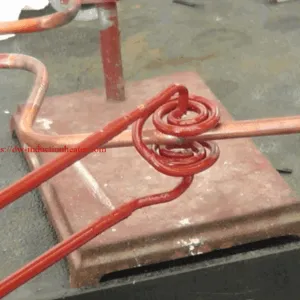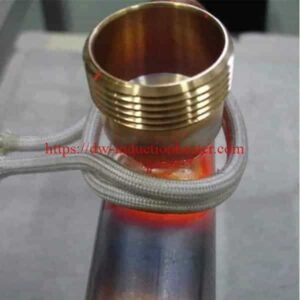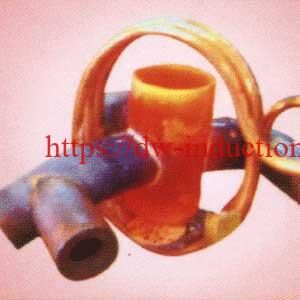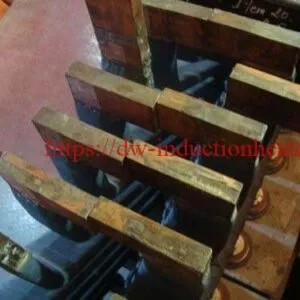
brazing carbide tips
Induction brazing carbide tips onto steel cutting and milling tools
Quick Answer: What Is Induction Brazing of Carbide Tips?
Induction brazing carbide tips is a fast, localized heating process used to attach tungsten carbide tips, inserts or cutting elements to steel tool bodies using a brazing filler metal. High-frequency induction heating concentrates energy directly around the carbide-to-steel joint, allowing the brazing alloy to melt and form a strong metallurgical bond without unnecessarily heating the entire cutting tool.
Objective
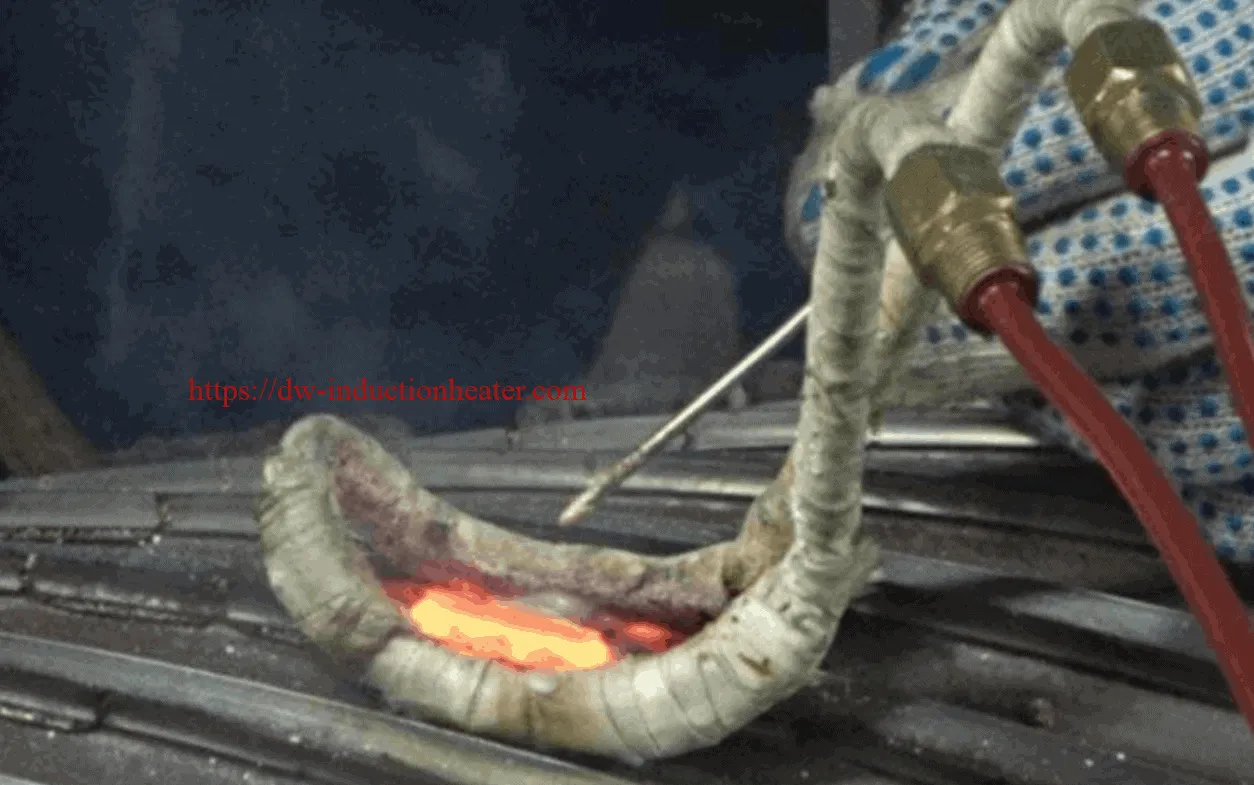
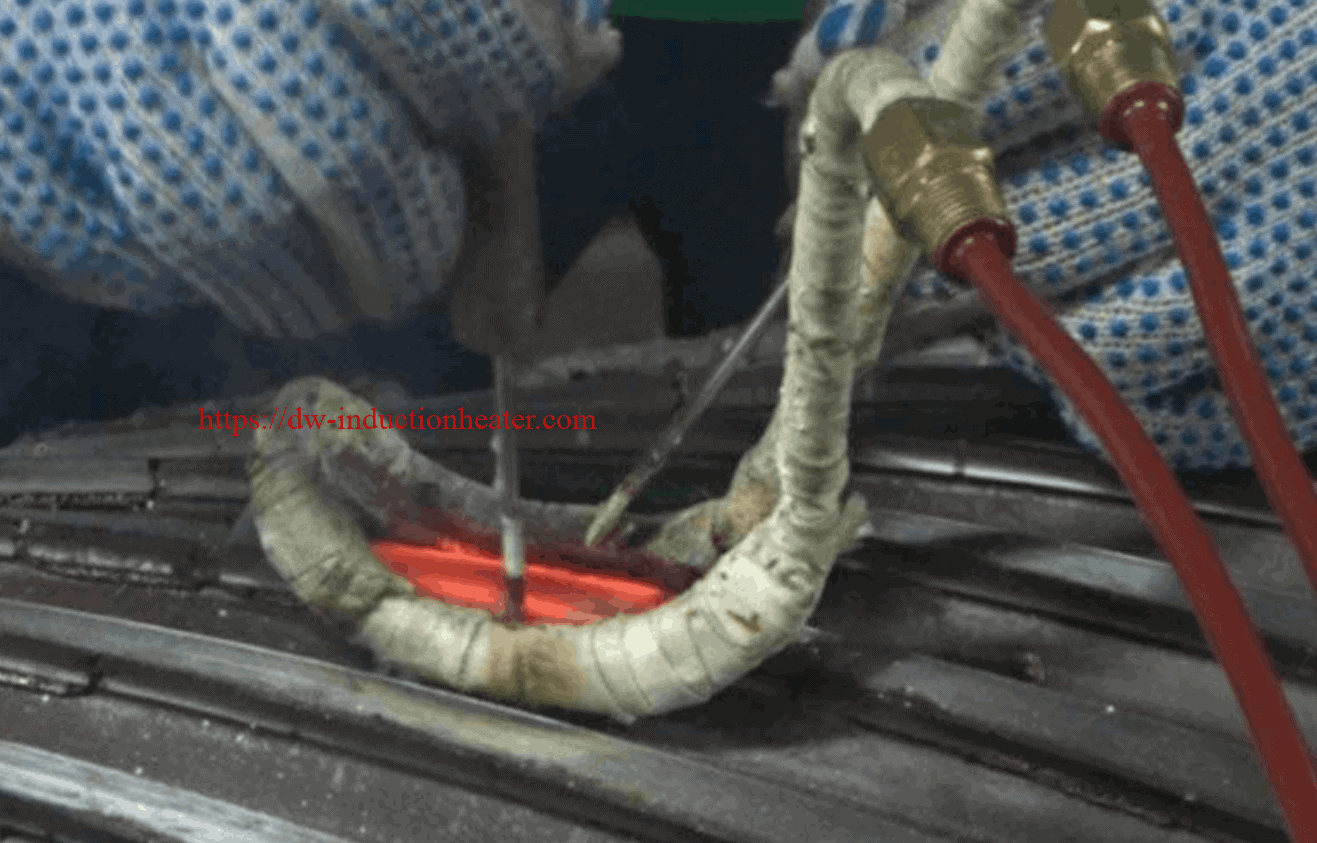
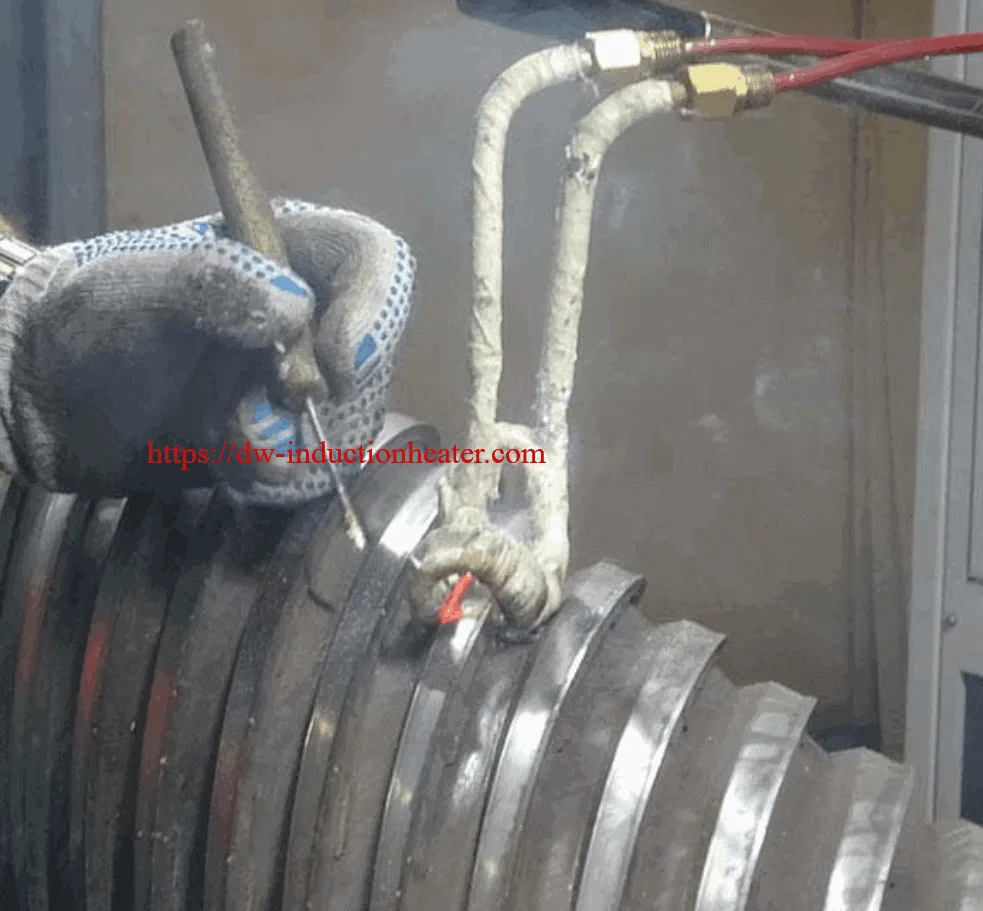
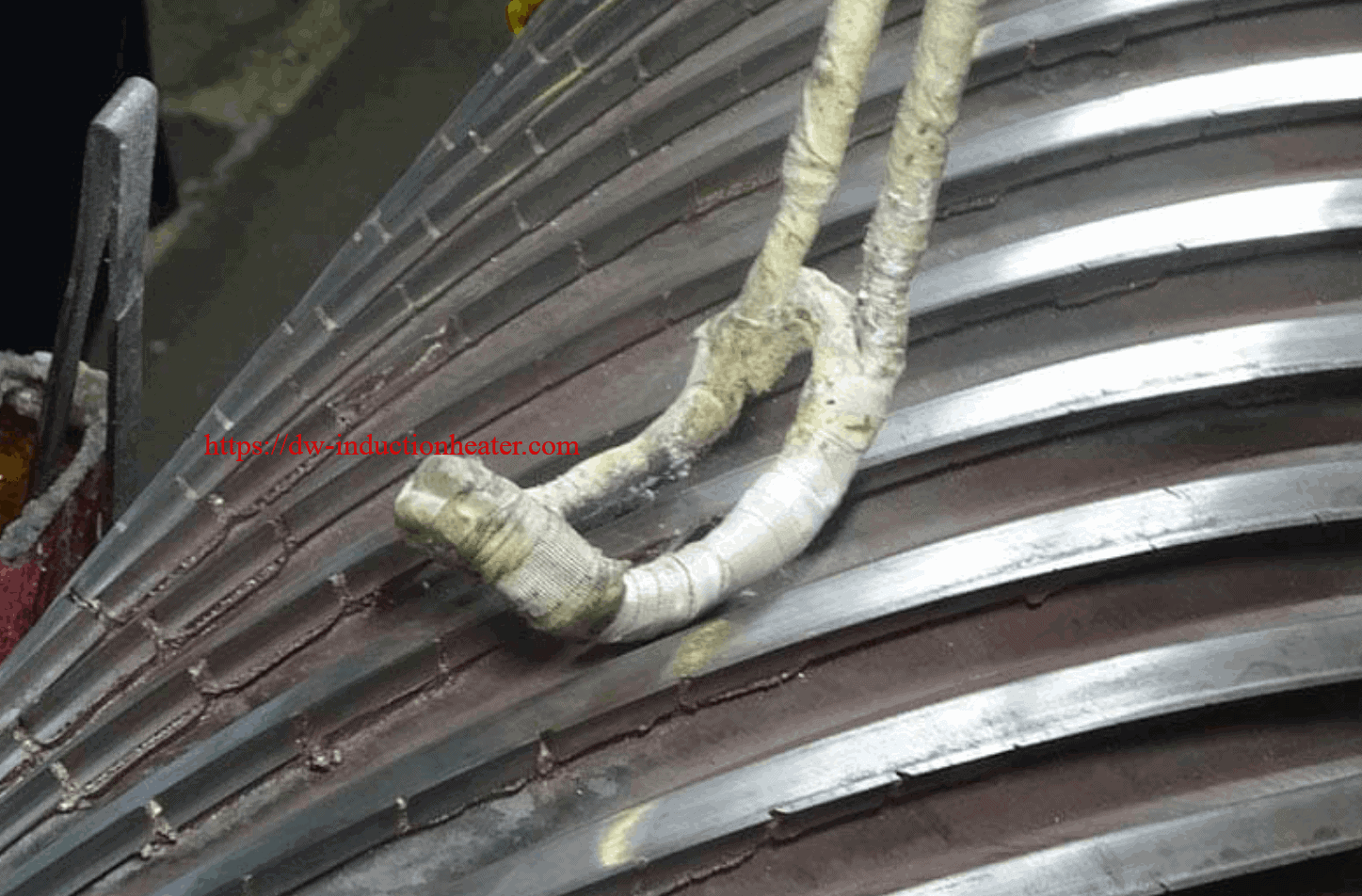
Induction brazing carbide tips onto milling cutter tools process
Equipment
DW-UHF-20kw induction brazing machine
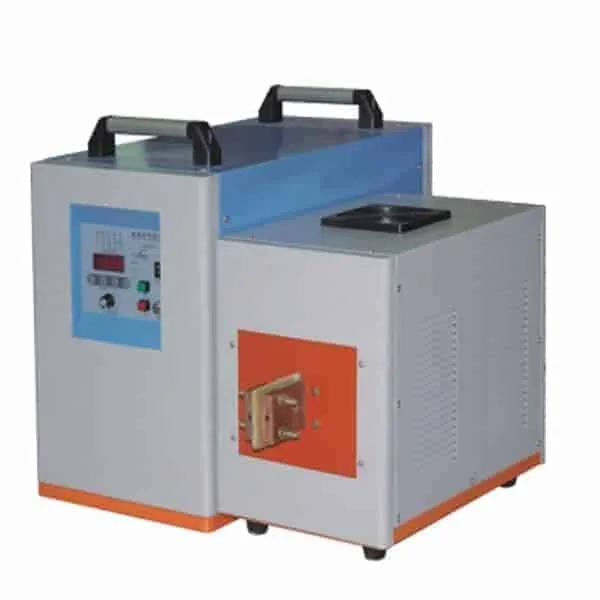
Power: 11,5kW (max)
Time: 10 sec (to brazing temperature)

Process Steps
1. Induction Heating to brazing temperature to remove stale tool
2. Removing old solder during heating
3. Braze new tool

Results and Conclusions:
1. The delivered power to the load was more than enough and the test was performed successful
2. Coil bar connection between customer induction coil and our heat station was only for test purposes
3. Using of foot-switch for this application is useful for this application

Conclusions:
The induction heating machine performance exceeds customer expectations. The customer was very happy to reduce the time needed for worn carbide tips replacement.


How Does Induction Brazing Carbide Tips Work?
Carbide and steel have very different thermal properties.
Tungsten carbide is extremely hard and wear resistant, while the steel tool body provides toughness and structural support. A properly controlled brazing process is therefore required to create a reliable joint while limiting unnecessary thermal stress on the carbide.
The typical induction brazing process includes:
- Clean the carbide tip and steel tool surface.
- Position the brazing alloy or brazing shim at the joint.
- Apply the appropriate brazing flux when required.
- Position the tool inside the induction coil.
- Apply high-frequency induction power.
- Rapidly heat the carbide-to-steel joint.
- Allow the brazing filler metal to melt and flow through the joint.
- Stop the induction power once complete alloy flow is achieved.
- Maintain correct carbide-tip position during solidification.
- Allow controlled cooling of the completed tool.
For carbide-tip replacement, the existing joint can first be reheated with induction energy. When the old filler metal softens or melts, the worn carbide tip can be removed. Residual brazing material is then cleaned from the tool body before the replacement tip is brazed into position.
Why Use Induction Heating for Carbide Tip Brazing?
Rapid Localized Heating
Induction energy is concentrated primarily around the brazing area.
In this application, the tool reached brazing temperature in approximately 10 seconds, making induction particularly attractive for carbide-tip replacement and production brazing.
Reduced Heating of the Complete Tool
Torch heating can expose a relatively large section of the tool body to heat.
A correctly designed induction coil focuses energy much closer to the carbide joint, helping reduce unnecessary thermal exposure.
Repeatable Process
Induction heating parameters such as:
- Power
- Heating time
- Coil position
- Workpiece position
can be standardized for each tool geometry.
This improves repeatability when multiple identical carbide tools are being produced or repaired.
Easy Carbide Tip Replacement
A major advantage of induction heating is that the same equipment can be used for both:
debrazing worn carbide tips
and
brazing new carbide tips.
This makes the technology valuable for tool manufacturing as well as carbide-tool repair and refurbishment.
No Direct Flame
The tool is heated electromagnetically rather than by direct flame.
This makes the heating cycle easier to control and simplifies integration into production fixtures and automated systems.
FAQs About Induction Brazing Carbide Tips
1. Can carbide tips be brazed to steel using induction heating?
Yes. Induction brazing is widely suitable for joining carbide tips to steel cutting-tool bodies.
A properly designed induction coil concentrates heat around the carbide-to-steel interface until the brazing filler alloy melts and flows through the joint.
The process is suitable for milling cutters, saw teeth, cutting tools, mining tools and many other carbide-tipped components.
2. How fast can induction heating braze a carbide tip?
Heating time depends on carbide size, steel-tool mass, brazing alloy, induction power and coil design.
In this HLQ application, a DW-UHF-20kW induction brazing machine reached brazing temperature in approximately 10 seconds using up to about 11.5 kW of process power.
Small carbide tips can therefore be heated very rapidly when the induction coil is correctly matched to the joint.
3. What temperature is required for brazing carbide tips?
The required brazing temperature depends primarily on the brazing filler alloy being used.
Silver-based brazing alloys are commonly used for carbide-to-steel joints, but the correct brazing temperature should always be selected according to the filler-metal specification, carbide grade, steel material and joint requirements.
The temperature should not simply be maximized, because excessive heating can increase thermal stress in the carbide.
4. What size induction brazing machine is required for carbide tools?
Required power depends on:
- Carbide tip dimensions
- Steel tool-body mass
- Number of tips
- Desired heating time
- Brazing temperature
- Coil-to-workpiece coupling
- Production rate
For the milling-cutter carbide-tip replacement application described here, an HLQ DW-UHF-20kW system was used successfully.
Smaller tips may require substantially less applied power, while larger cutting heads or multi-tip assemblies may require higher power.
5. Can induction heating remove worn carbide tips?
Yes.
Induction heating can reheat the existing carbide-to-steel brazed joint until the old filler metal softens or melts, allowing the worn carbide tip to be removed.
The joint surface can then be cleaned, a new carbide tip positioned and the replacement tip induction brazed onto the tool.
This makes induction particularly effective for carbide tool repair and retipping applications.
6. What brazing alloy is used for carbide tips?
Silver-based brazing alloys are commonly selected for carbide-to-steel tool joints because they can provide good flow and mechanical performance at suitable brazing temperatures.
Braze shims, rings or brazing paste may be used depending on the joint geometry.
The brazing alloy should be selected according to:
- Carbide grade
- Steel grade
- Operating temperature
- Cutting load
- Impact loading
- Joint clearance
- Required joint strength
For demanding cutting-tool applications, filler-metal selection should be verified according to the required service conditions.
7. Why is induction brazing better than torch brazing for carbide tips?
For repetitive carbide-tool manufacturing or repair, induction brazing can provide several advantages:
- Faster localized heating
- Precise heat placement
- Repeatable heating cycles
- Reduced heating of surrounding tool areas
- Easier process control
- No direct flame
- Easier fixture integration
- Easier automation
Torch brazing can still be useful for occasional repair work, but induction heating is particularly attractive when repeatability and production speed are important.
8. Can carbide tip induction brazing be automated?
Yes.
Induction brazing systems can be integrated with:
- PLC controls
- Pneumatic fixtures
- Rotary indexing systems
- Automatic tool positioning
- Robotic loading
- Temperature monitoring
- Timed heating cycles
- Foot-switch controls
- Automatic carbide-tip feeding
Automated induction brazing is particularly useful when manufacturers need to braze multiple carbide tips onto milling cutters, saw blades or other production cutting tools.