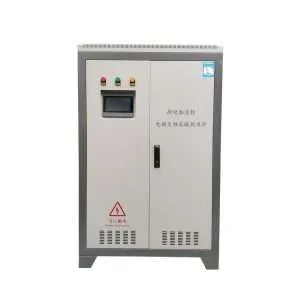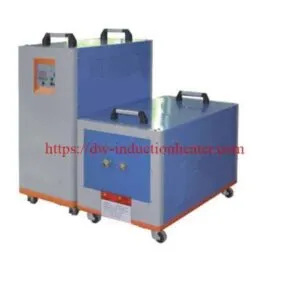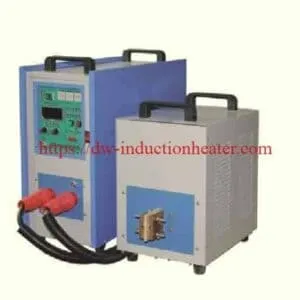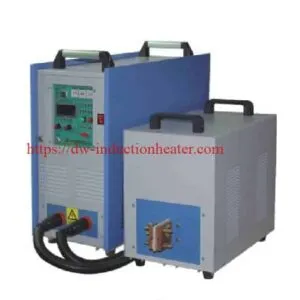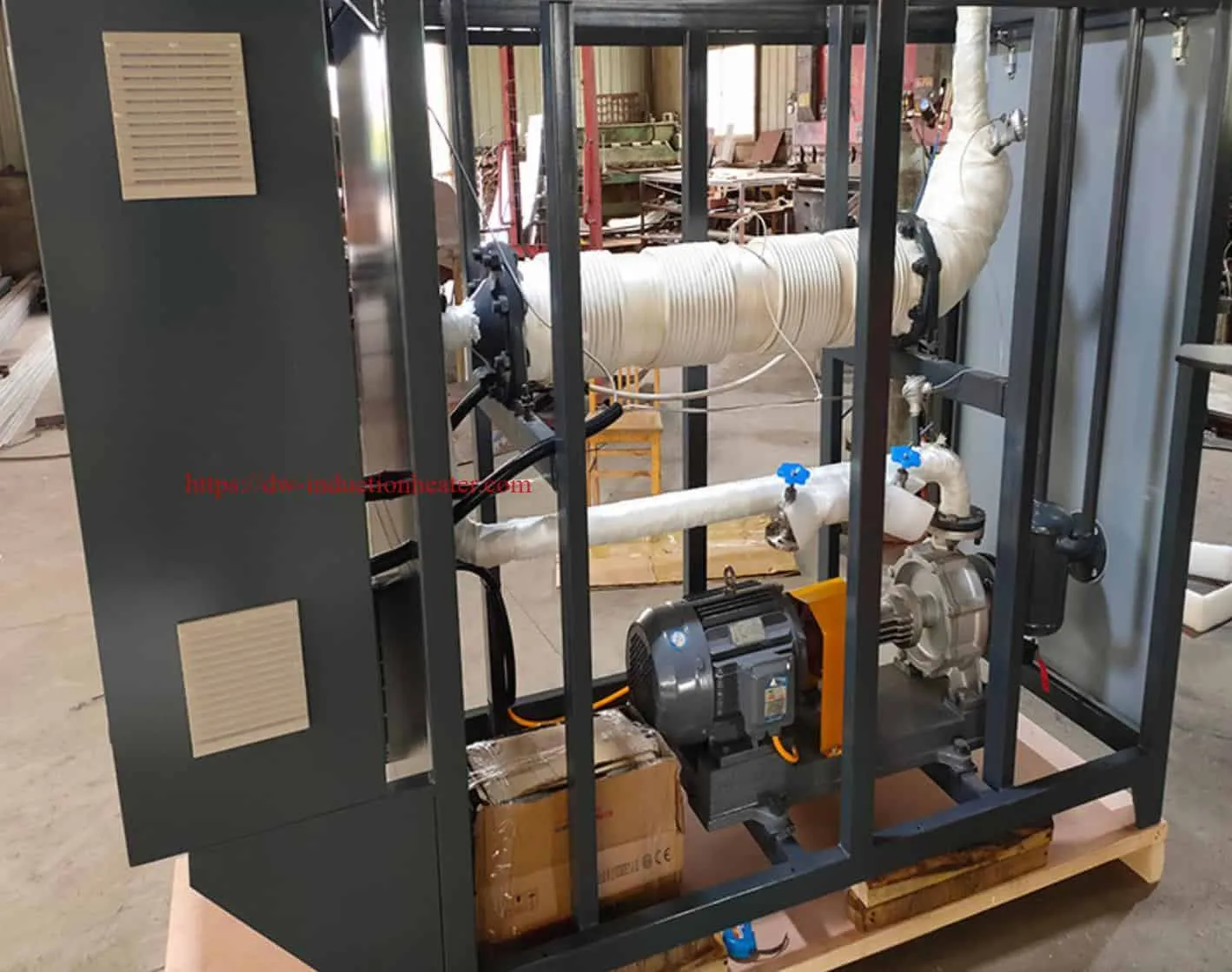
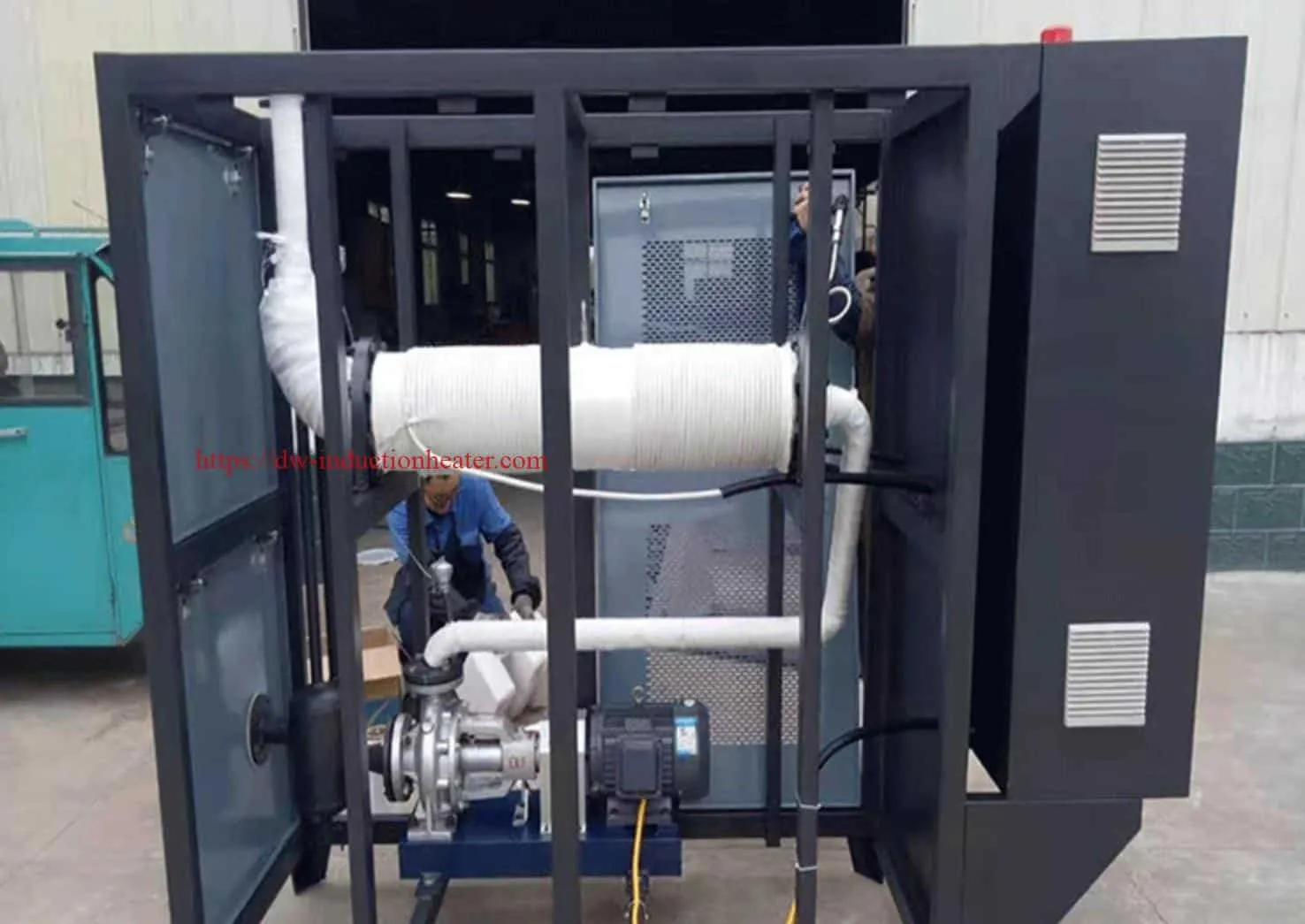
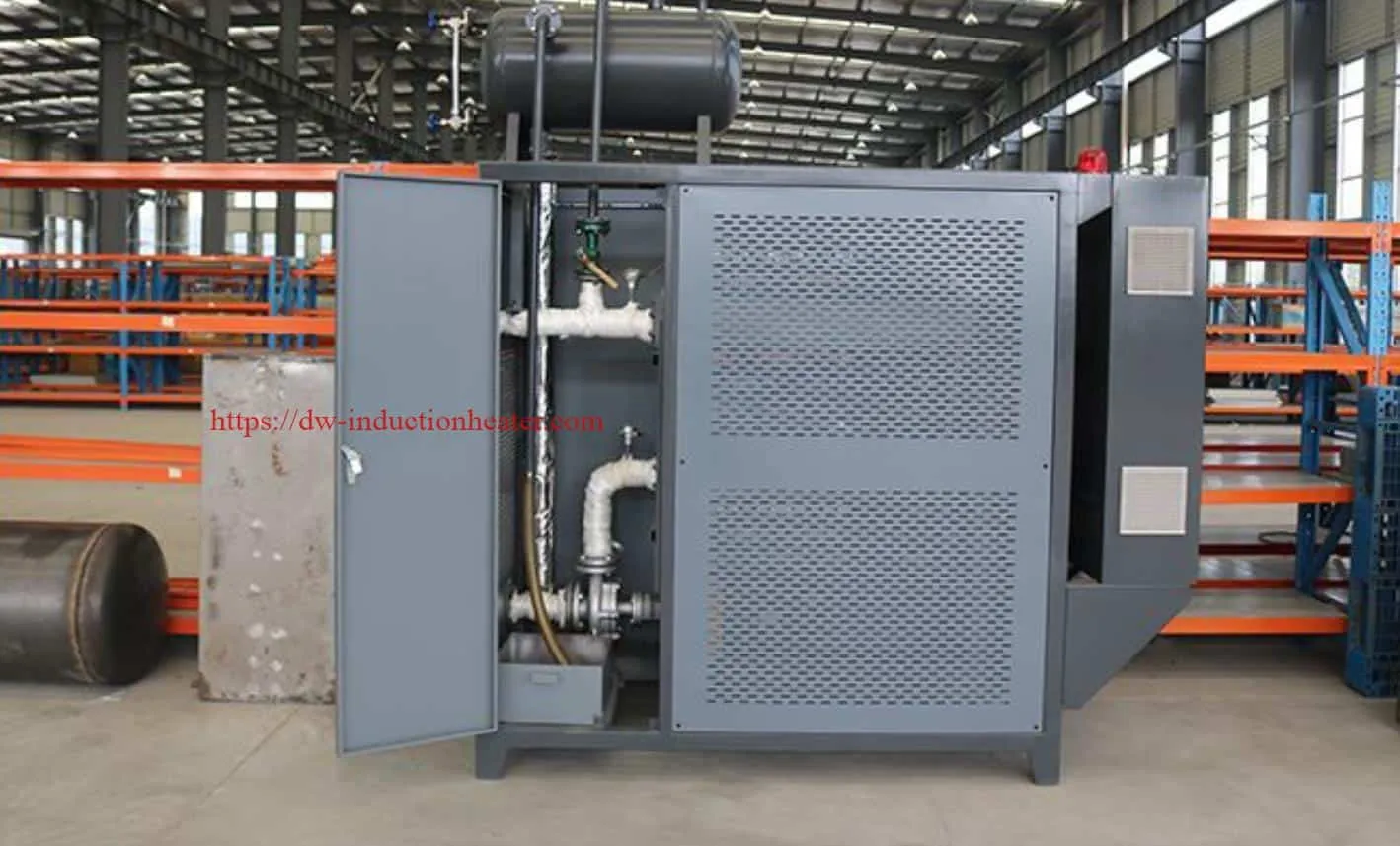
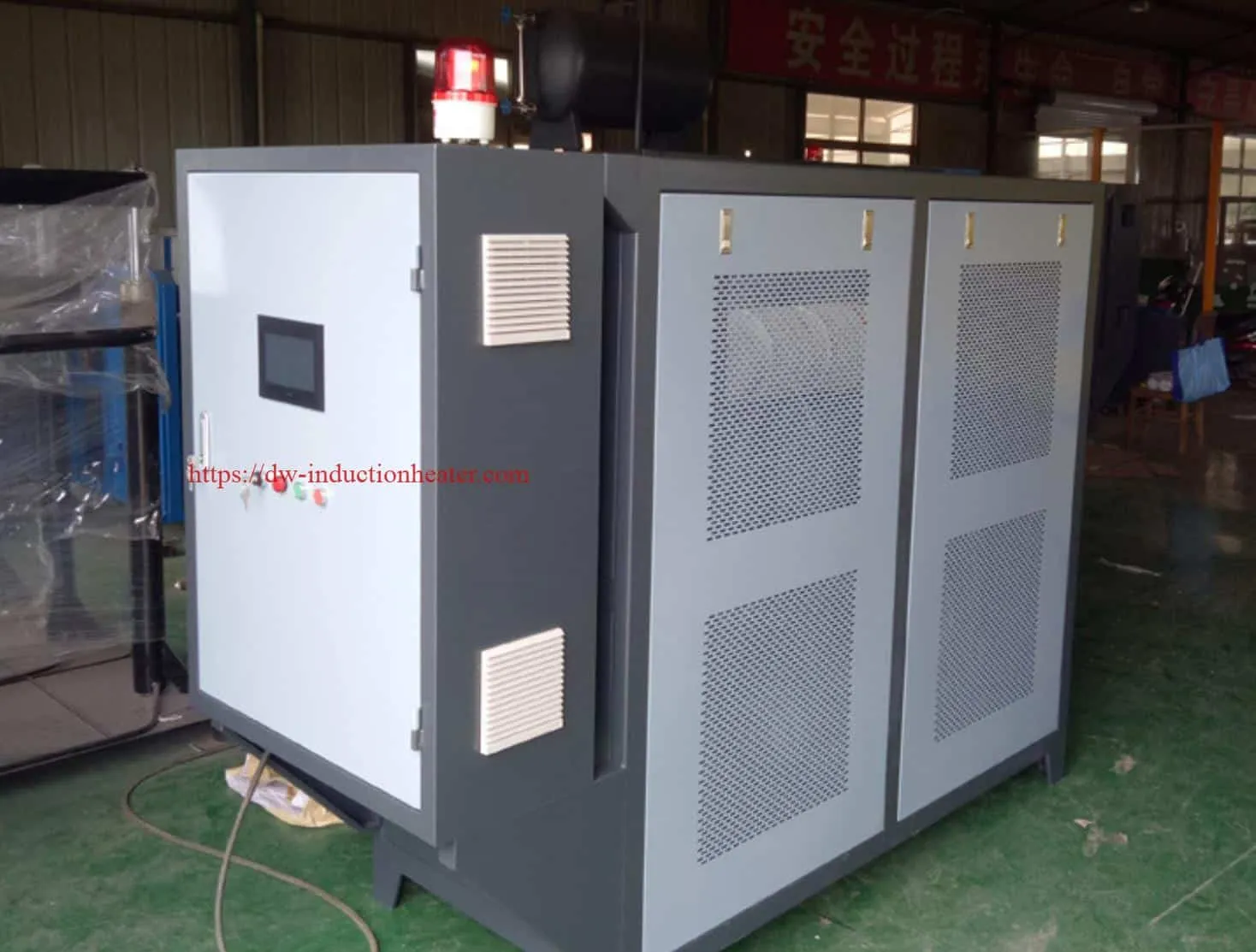

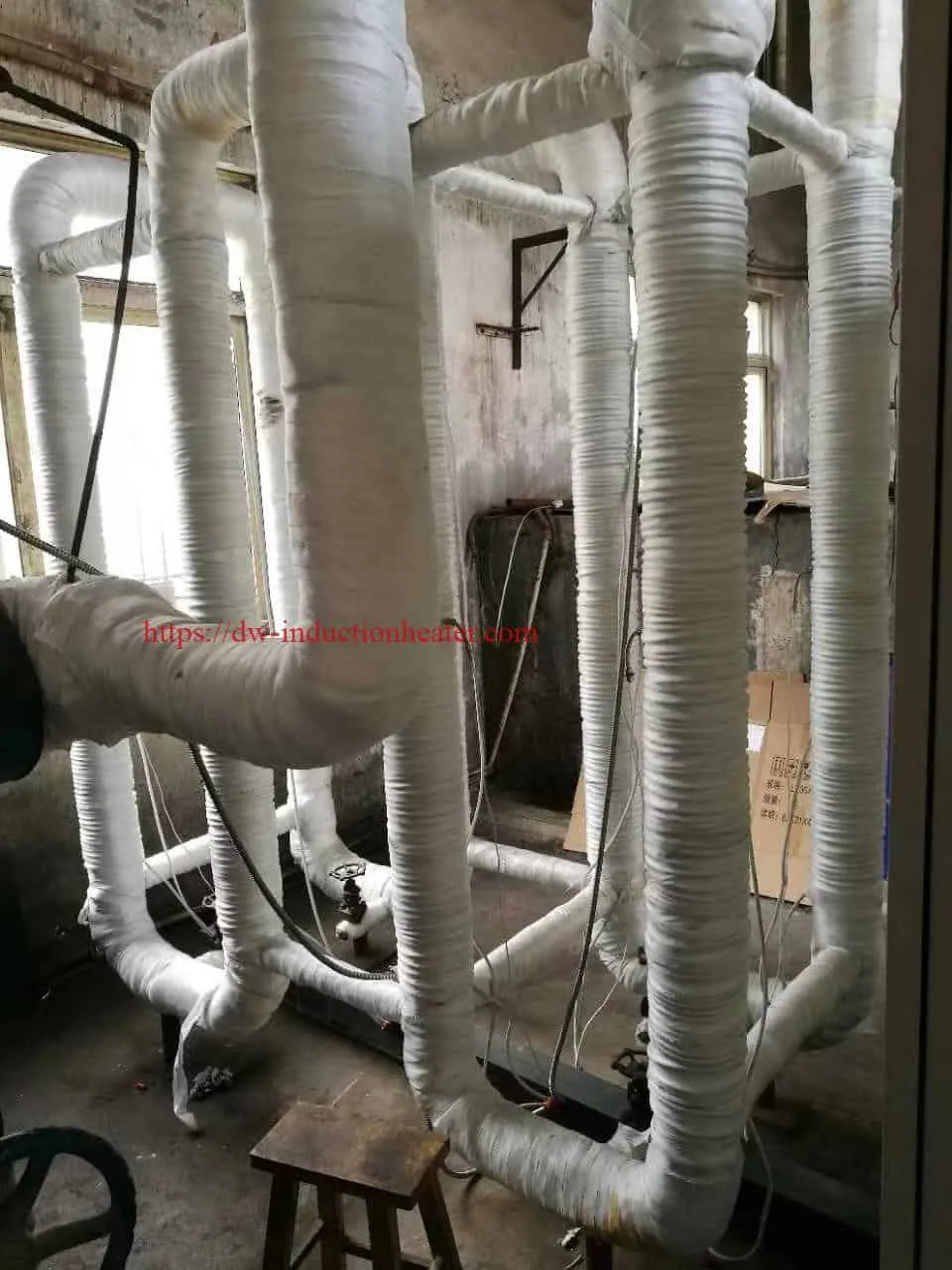


Induction heating thermal conductive oil boiler
Electromagnetic Induction heating thermal conductive oil boiler–Induction Fluid Boiler–Induction Fluid Heating Generator
Revolutionizing Industrial Process Heating with Electromagnetic Induction
Industrial thermal oil heating systems are widely used where high-temperature, low-pressure process heating is required. Conventional thermal oil boilers rely on electric resistance heaters, gas burners, diesel, coal, or biomass combustion, resulting in lower efficiency, higher maintenance costs, carbon emissions, and slower temperature response.
The HLQ Electromagnetic Induction Heating Thermal Conductive Oil Boiler replaces traditional combustion heating with advanced electromagnetic induction technology. Instead of generating heat through flames or heating elements, the induction system directly heats the steel heating chamber, transferring heat efficiently to the circulating thermal oil. This innovative design delivers rapid heating, exceptional temperature accuracy, improved safety, and significantly reduced operating costs.
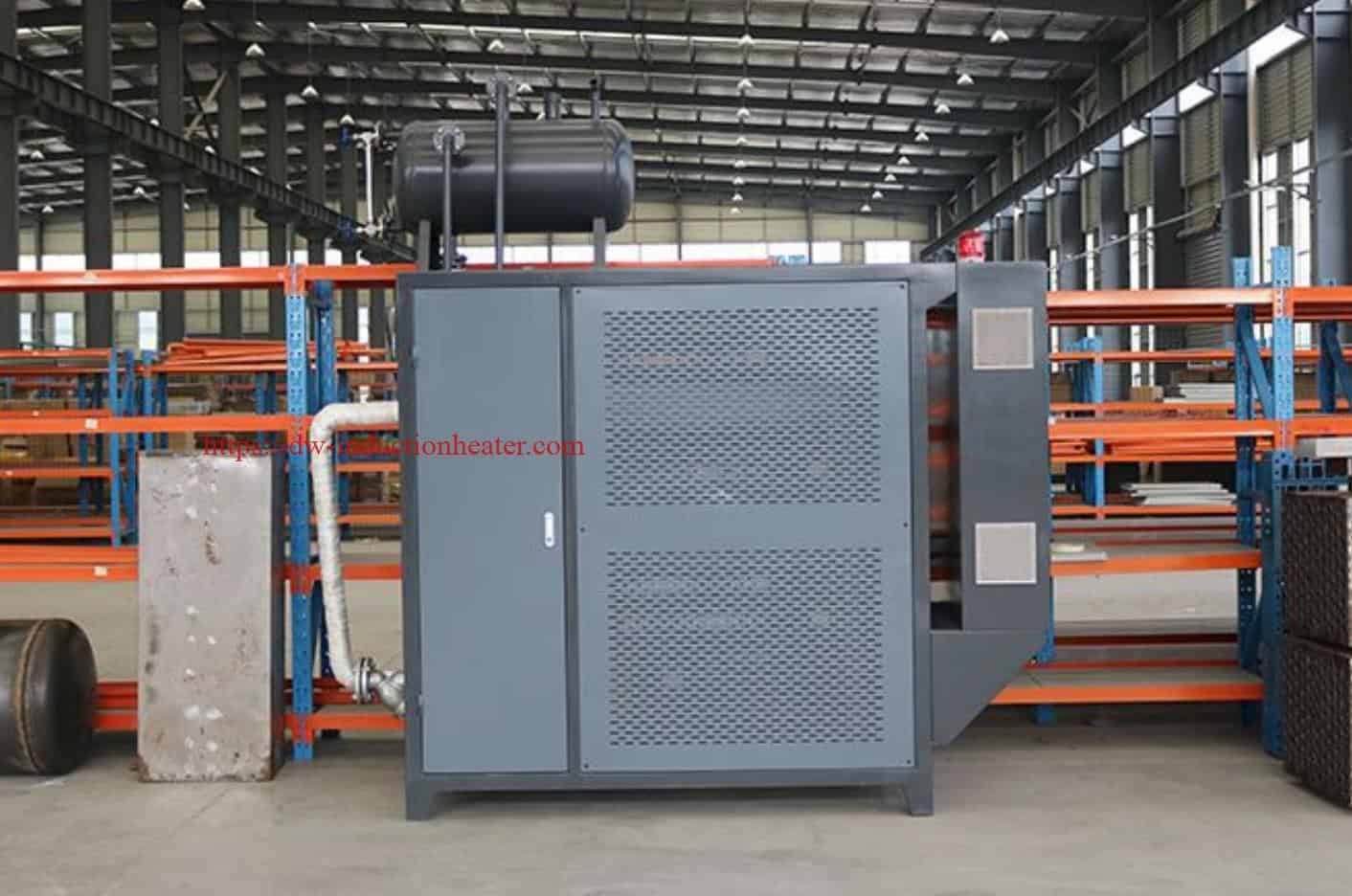

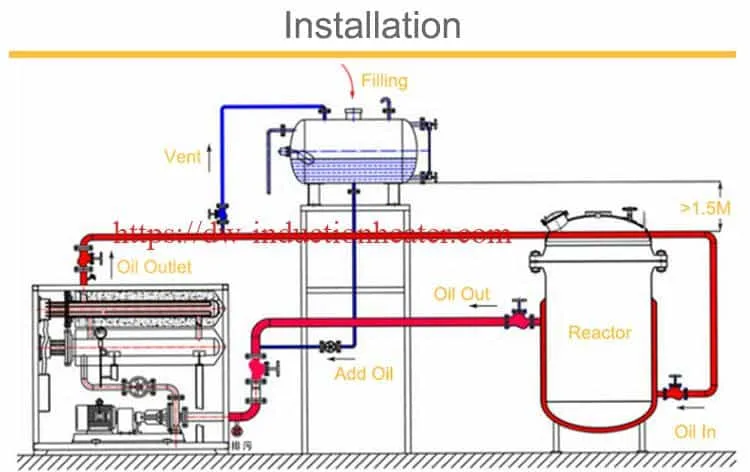
How an Induction Thermal Oil Boiler Works
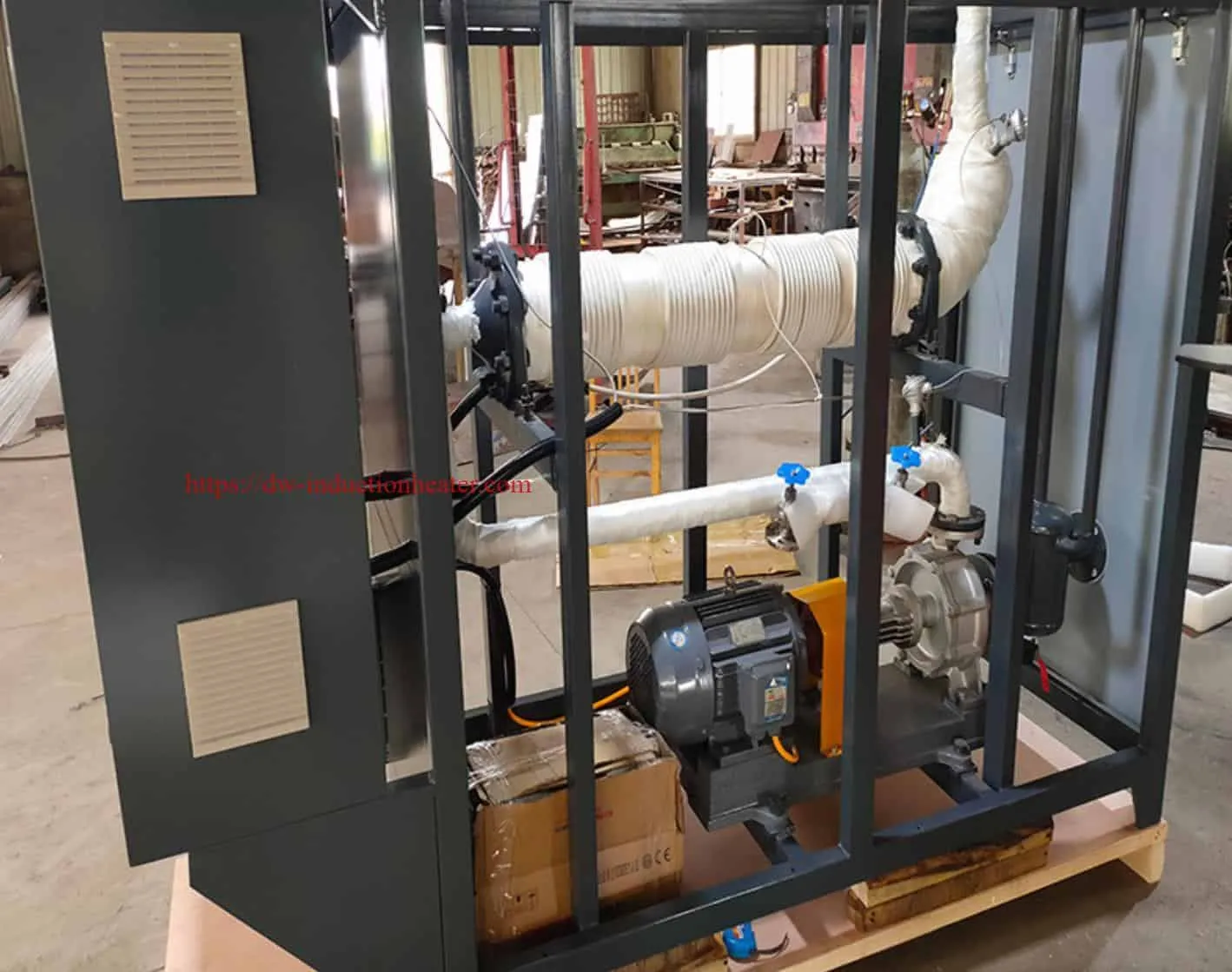
The system consists of:
- Electromagnetic induction power supply
- High-efficiency induction heating chamber
- Thermal conductive oil circulation pump
- Expansion tank
- PLC intelligent control cabinet
- Temperature sensors
- Safety protection devices
- Heat exchanger or process equipment
The induction coil generates a high-frequency magnetic field that heats the steel heating chamber through induced eddy currents. The thermal oil flowing through the chamber absorbs the heat and circulates continuously to reactors, tanks, dryers, presses, or production equipment.
Unlike conventional boilers, no combustion chamber, burner, heating tubes, or open flame is required.
Advantages of Electromagnetic Induction Heating
1. Ultra-High Energy Efficiency
- Thermal efficiency up to 98%
- 20–30% energy savings compared with electric resistance thermal oil boilers
- Lower heat loss
- Rapid heat transfer
- Reduced operating costs
2. Precise Temperature Control
The intelligent PLC control system maintains oil temperature within:
±1°C
This improves product quality in temperature-sensitive manufacturing processes.
3. Safer Operation
- No open flame
- No combustion
- Low-pressure operation
- Reduced fire risk
- Automatic fault diagnosis
- Multiple protection systems
4. Environmentally Friendly
Compared with coal-fired or gas-fired boilers:
- Zero direct emissions
- No smoke
- No NOx
- No SO₂
- No ash
- Low carbon footprint
5. Longer Service Life
Because there are no burners, combustion chambers, or electric heating tubes, induction boilers experience less thermal stress and corrosion, extending equipment lifespan and reducing maintenance requirements.
Product Description
Induction heating thermal conductive oil boiler is a new type of electromagnetic induction heating equipment that is safe, energy-saving, low-pressure and capable of providing high-temperature heat energy. It uses electromagnetic induction as heat source, heat thermal conductive oil as heat carrier, and uses hot-oil pump to transport the heated thermal conductive oil liquid to the equipment that needs to be heated. The heat source and the equipment form a circulating heat loop to achieve strong continuous transfer of heat energy, and so on and on again to meet the technological requirements of heating. It has industrial special heating equipment with simple operation, no pollution and small footprint.
Technical Parameter
| Induction heating thermal conductive oil boiler | ||||||
| Model Specifications | DWOB-80 | DWOB-100 | DWOB-150 | DWOB-300 | DWOB-600 | |
| Design pressure (MPa) | 0.5 | 0.5 | 0.5 | 0.5 | 0.5 | |
| Working pressure (MPa) | 0.4 | 0.4 | 0.4 | 0.4 | 0.4 | |
| Rated power (KW) | 80 | 100 | 150 | 300 | 600 | |
| Rated current (A) | 120 | 150 | 225 | 450 | 900 | |
| Rated voltage (V) | 380 | 380 | 380 | 380 | 380 | |
| Precision | ±1°C | |||||
| Temperature range (℃) | 0-350 | 0-350 | 0-350 | 0-350 | 0-350 | |
| Thermal efficiency | 98% | 98% | 98% | 98% | 98% | |
| Pump head | 25/38 | 25/40 | 25/40 | 50/50 | 55/30 | |
| Pump flow | 40 | 40 | 40 | 50/60 | 100 | |
| Motor Power | 5.5 | 5.5/7.5 | 20 | 21 | 22 | |

Performance advantage: Induction heating thermal conductive oil boiler
1. Green and environmental protection: Compared with traditional boilers, it does not burn and emits no pollutants during heating. It is fully in line with the national long-term plan for pollution control, green environmental protection and low-carbon life.
2. Energy saving. Compared with the electric heating tube boiler, the electromagnetic induction boiler can save 20% to 30% of the energy. It uses the eddy current phenomenon of high frequency electromagnetic to directly heat the boiler furnace body. Its magnetic resistance is small and the thermal efficiency is high, which can reach more than 95%.
3. Long service life. Its service life is three to four times that of coal-fired and gas-fired boilers. Traditional boilers continue to corrode the furnace body due to the high temperature generated by combustion, and the furnace will be damaged over time. The electromagnetic boiler uses the principle of high-frequency electromagnetic heating, no name fire, no combustion.
4. High degree of automation: Adopt programmable automation control PLC technology, MCU single chip technology, touch screen and film technology. The ease of these technologies enables the remote control of the electromagnetic induction oil boiler without manual duty.
Features
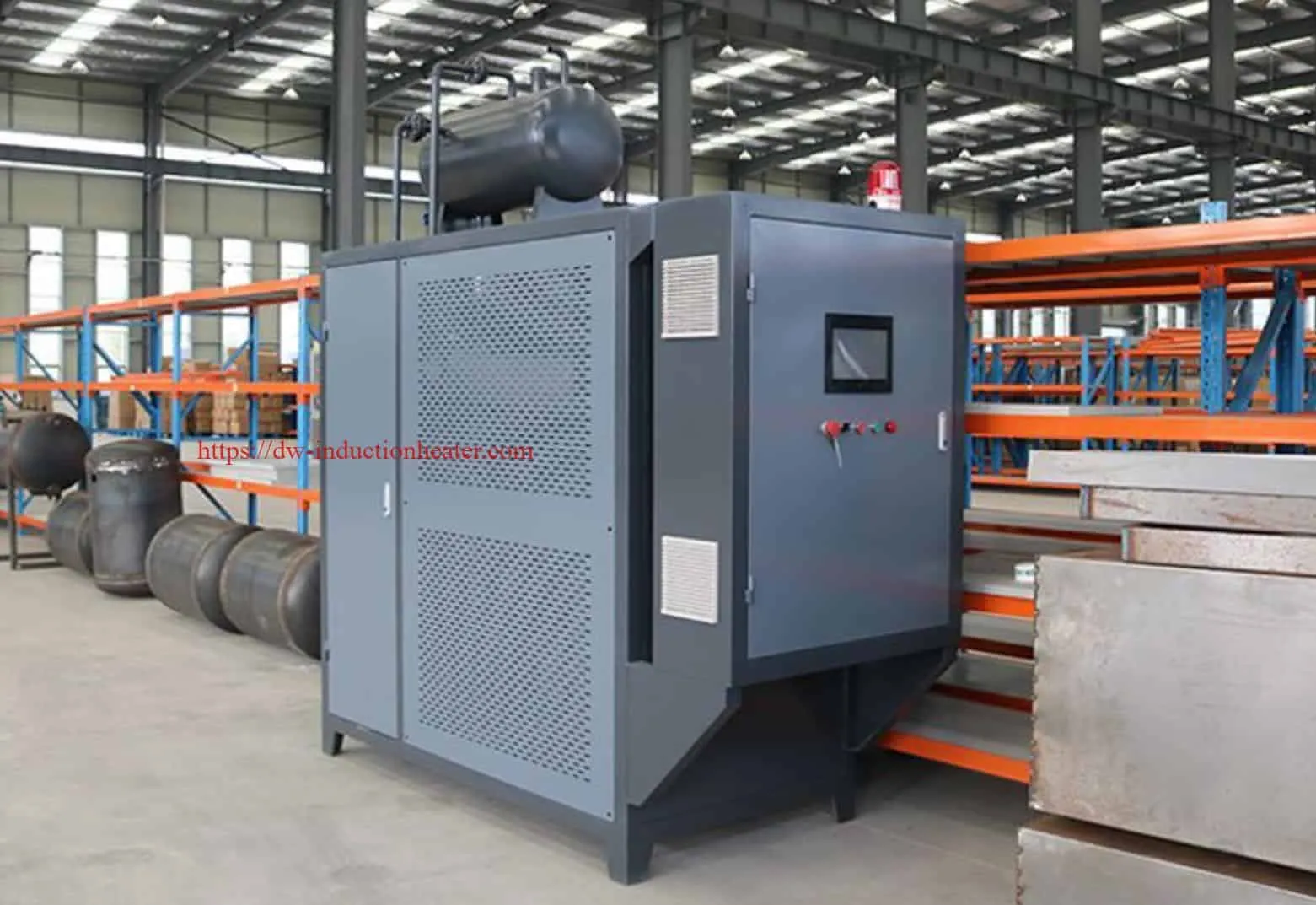
The electricmagnetic induction thermal conductive oil boiler has the characteristics of compact structure, small size, light weight, easy installation and operation, fast heating and no environmental pollution, etc. The computer automatically controls the temperature and can obtain a higher working temperature at a lower working pressure.

Frequently Asked Questions (FAQ)
What is the maximum operating temperature?
The system is designed to heat thermal conductive oil up to 350°C while maintaining low operating pressure and high thermal stability.
How much energy can be saved?
Compared with conventional electric resistance thermal oil boilers, induction heating can typically reduce electricity consumption by 20–30%, depending on insulation quality, operating conditions, and process requirements.
Can the boiler be integrated into an existing production line?
Yes. HLQ systems can be retrofitted into existing thermal oil circulation systems with minimal modifications, making them suitable for upgrading gas-, diesel-, or electric-heated installations.
Is remote monitoring available?
Yes. Optional PLC, HMI, Ethernet, and Modbus communication enable remote monitoring, diagnostics, and integration with factory automation systems.
What industries benefit most from induction thermal oil heating?
Chemical processing, food manufacturing, pharmaceuticals, plastics, textiles, asphalt production, biomass processing, and other industries requiring precise, continuous, high-temperature heat transfer can all benefit from induction thermal oil boilers.