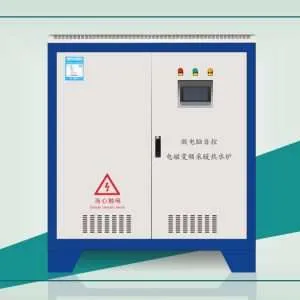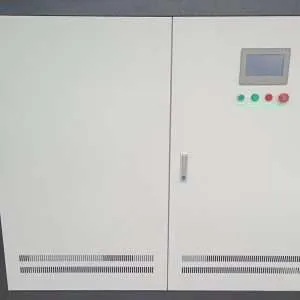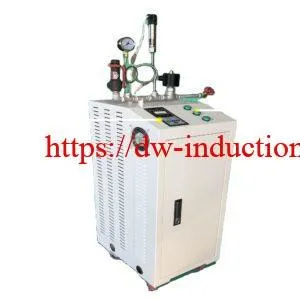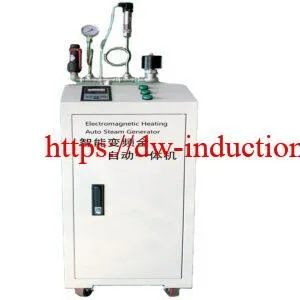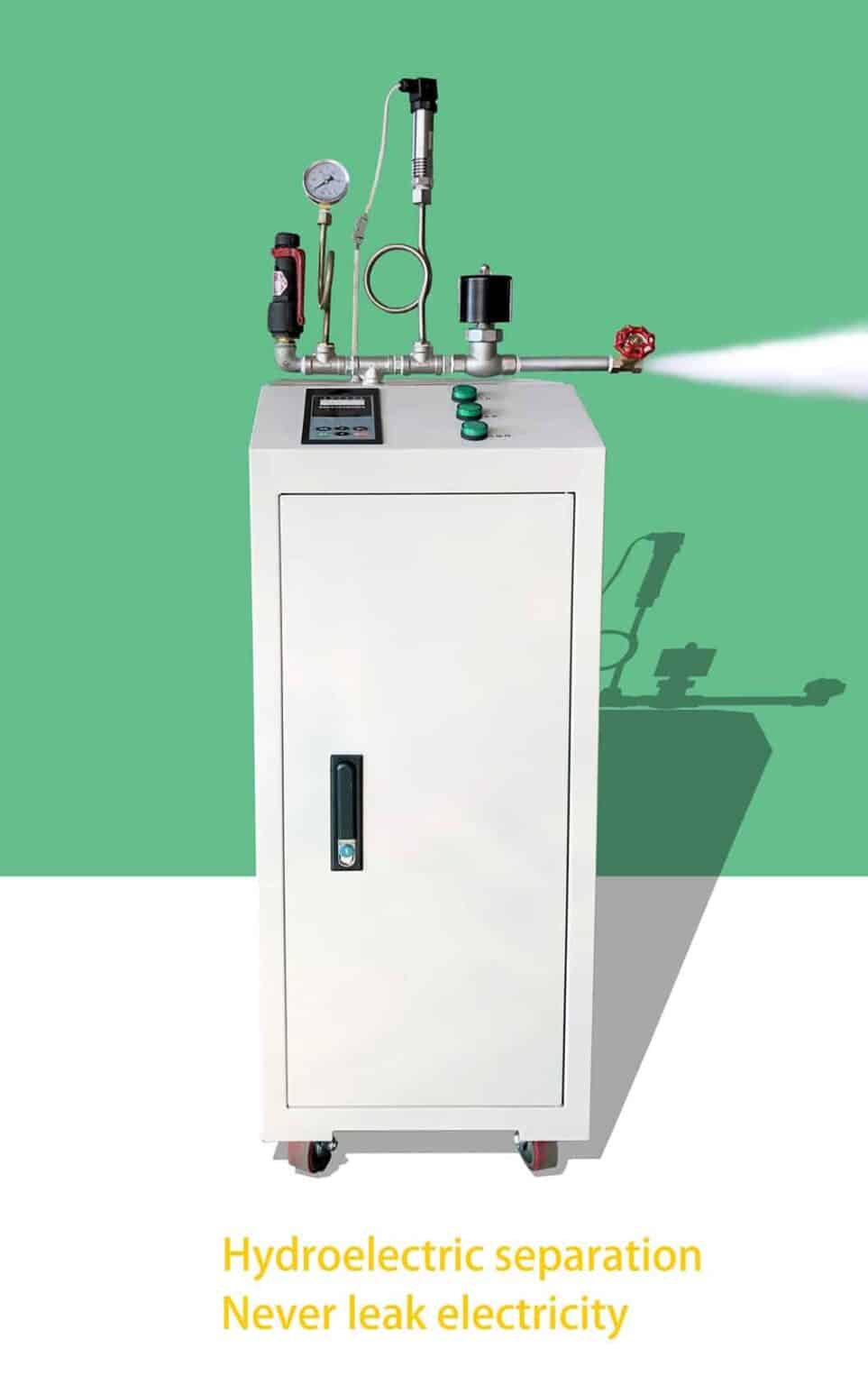




Induction Steam Generaor
Electromagnetic Induction Steam Generator for Industrial Steam Production
Quick Answer: What Is an Induction Steam Generator?
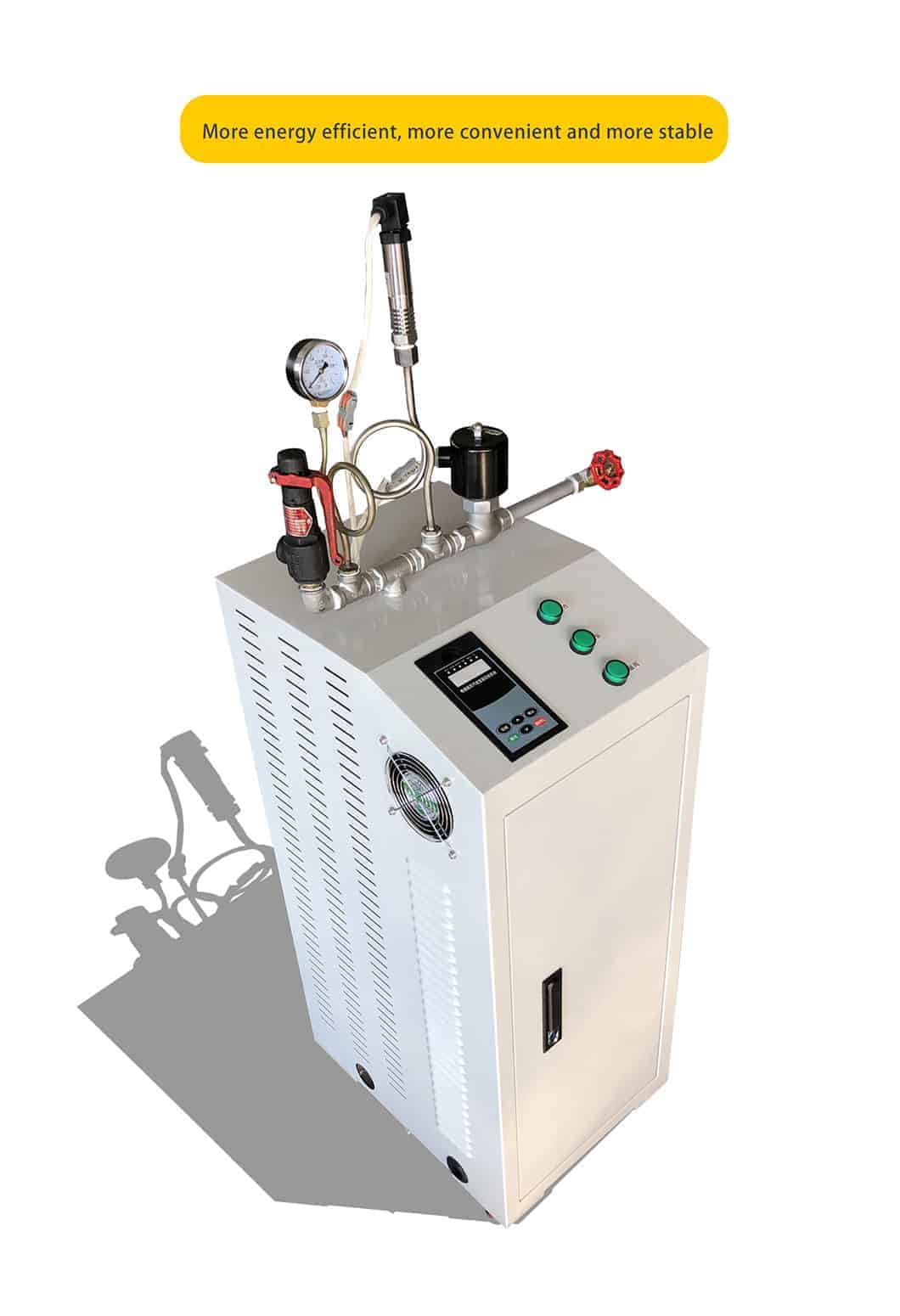
An induction steam generator is an electrically powered industrial steam system that uses electromagnetic induction to generate heat directly inside a conductive metal heating chamber. Water absorbs the generated heat and is converted into steam without using gas, diesel, coal or an exposed resistance heating element.
HLQ electromagnetic induction steam generators are available from 10 kW to 720 kW, with rated steam capacities from approximately 14 kg/h to 1,000 kg/h. Standard models are designed for industrial applications requiring continuous steam generation, automatic water feeding, pressure control and PLC-based operation.
The standard product range is rated at approximately 0.7 MPa steam pressure and 165°C steam temperature, making it suitable for food processing, sterilization, chemical processing, textile production, cleaning, drying, reactors and other industrial steam applications.
The principle of induction steam generator|induction steam boiler|induction heating steam boiler
This invention relates to an electromagnetic induction steam generator which operates with a low-frequency alternating current electric power source. More specifically, this invention relates to an electromagnetic induction steam generator which is compact and highly efficient being capable of continuous operation, intermittent operation and empty-heating operation.

Steamers in current use, such as cooking steamers, convection ovens, cooking steam warmers, steamers for defrosting frozen food, steamers for processing tea leaves, steam baths for household use, steamers for cleaning, and steamers used in restaurants and hotels, are widely used as equipment for utilizing the steam they generate.Generally, fossil fuels (gas, petroleum, crude petroleum, coal and so forth) are burned as heat sources for large steamers in current use. This heating method, however, is not economical for compact steamers.
Relatively compact steamers in current use commonly employ electrical resistance heaters as a heat source. Such steamers obtain steam intermittently by spraying water on an iron plate which has been heated in advance with a heater or the heater’s protecting tube from inside or beneath the plate.
Energy saving rate of electromagnetic induction steam generator:
Because the iron container heats itself, the heat conversion rate is particularly high, which can reach more than 95%; the working principle of electromagnetic steam generator is that when some water enters the container, it will be heated into steam Drain, to ensure a fixed way of replenishing water, there will be continuous steam utilization.
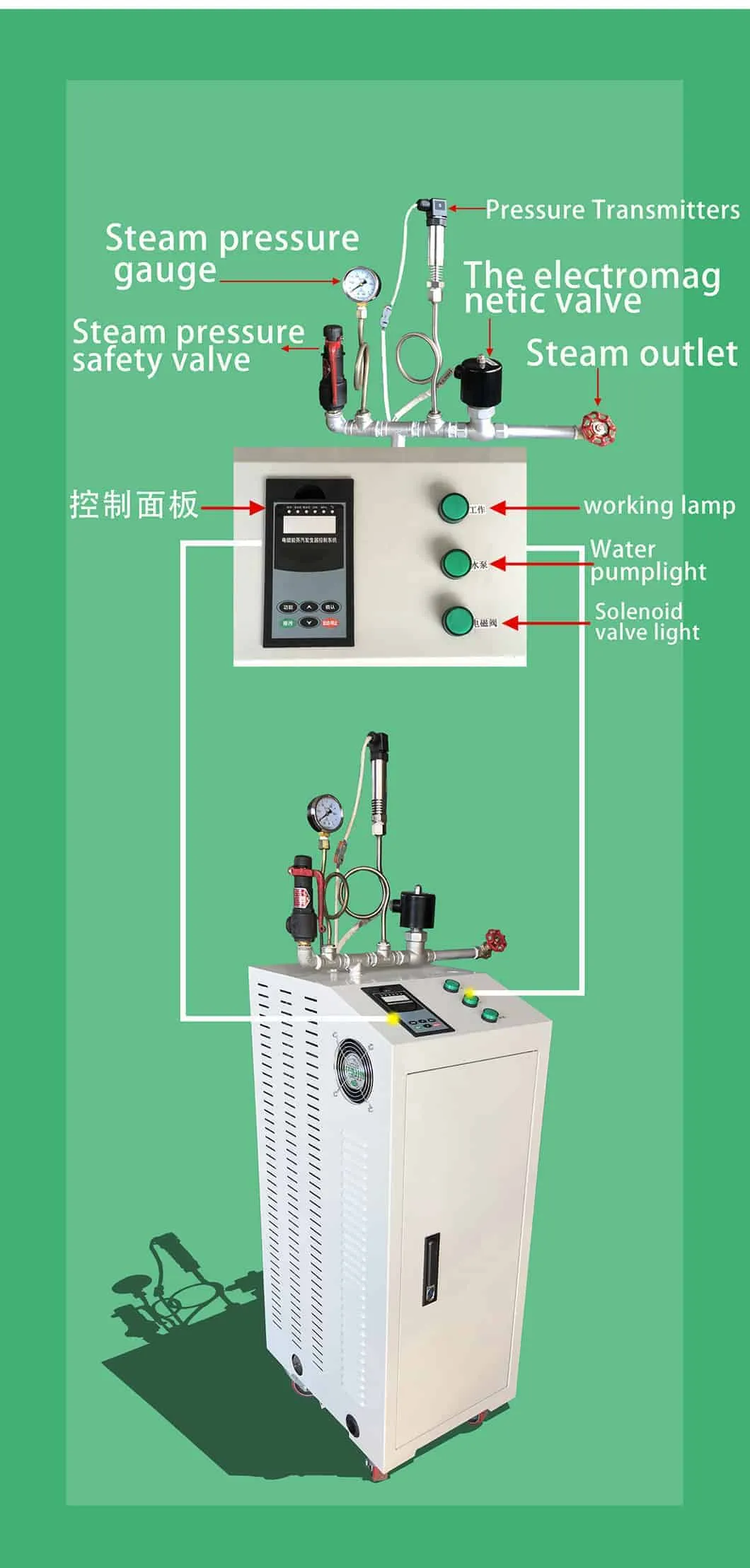
Product Description
Industrial quality high pressure steamist boiler pure steam generator from china manufacturers
1) LCD Full-Automatically Intelligent Electronic Control System
2) High-quality Core Component——Electromagnetic induction heater
3) High-quality Components and Parts——Famous Brand Delixi Electrical Appliance
4) Multiple Safety Interlock Protection
5) Scientific Design and Attractive Appearance
6) Easy and Rapid Installation
7) Magnetic induction coil heat up boiling water Generate steam – Is Much More Eco-Friendly and Economical
8) Wide Application Range
| Item content / model | Rated power
(KW) |
Rated steam temperature
(℃) |
Rated current
(A)
|
Rated steam pressure
(mpa)
|
Evaporation
(kg/h) |
Thermal efficiency
(%)
|
Input voltage
(V/HZ) |
Cross section of input power cord
(MM2)
|
Steam outlet diameter
|
Relief valve diameter | Inlet diameter | Drainage diameter | Overall dimensions
(mm)
|
| HLQ-10 | 10 | 165 | 15 | 0.7 | 14 | 97 | 380/50HZ | 2.5 | DN20 | DN20 | DN15 | DN15 | 450*750*1000 |
| HLQ-20 | 20 | 165 | 30 | 0.7 | 28 | 97 | 380/50HZ | 6 | DN20 | DN20 | DN15 | DN15 | 450*750*1000 |
| HLQ-30 | 30 | 165 | 45 | 0.7 | 40 | 97 | 380/50HZ | 10 | DN20 | DN20 | DN15 | DN15 | 650*950*1200 |
| HLQ-40 | 40 | 165 | 60 | 0.7 | 55 | 97 | 380/50HZ | 16 | DN20 | DN20 | DN15 | DN15 | 780*950*1470 |
| HLQ-50 | 50 | 165 | 75 | 0.7 | 70 | 97 | 380/50HZ | 25 | DN20 | DN20 | DN15 | DN15 | 780*950*1470 |
| HLQ-60 | 60 | 165 | 90 | 0.7 | 85 | 97 | 380/50HZ | 25 | DN20 | DN20 | DN15 | DN15 | 780*950*1470 |
| HLQ-80 | 80 | 165 | 120 | 0.7 | 110 | 97 | 380/50HZ | 35 | DN25 | DN20 | DN15 | DN15 | 680*1020*1780 |
| HLQ-100 | 100 | 165 | 150 | 0.7 | 140 | 97 | 380/50HZ | 50 | DN25 | DN20 | DN25 | DN15 | 1150*1000*1730 |
| HLQ-120 | 120 | 165 | 180 | 0.7 | 165 | 97 | 380/50HZ | 70 | DN25 | DN20 | DN25 | DN15 | 1150*1000*1730 |
| HLQ-160 | 160 | 165 | 240 | 0.7 | 220 | 97 | 380/50HZ | 95 | DN25 | DN20 | DN25 | DN15 | 1150*1000*1880 |
| HLQ-240 | 240 | 165 | 360 | 0.7 | 330 | 97 | 380/50HZ | 185 | DN40 | DN20 | DN40 | DN15 | 1470*940*2130 |
| HLQ-320 | 320 | 165 | 480 | 0.7 | 450 | 97 | 380/50HZ | 300 | DN50 | DN20 | DN50 | DN15 | 1470*940*2130 |
| HLQ-360 | 360 | 165 | 540 | 0.7 | 500 | 97 | 380/50HZ | 400 | DN50 | DN20 | DN50 | DN15 | 2500*940*2130 |
| HLQ-480 | 480 | 165 | 720 | 0.7 | 670 | 97 | 380/50HZ | 600 | DN50 | DN20 | DN50 | DN15 | 3150*950*2130 |
| HLQ-640 | 640 | 165 | 960 | 0.7 | 900 | 97 | 380/50HZ | 800 | DN50 | DN20 | DN50 | DN15 | 2500*950*2130 |
| HLQ-720 | 720 | 165 | 1080 | 0.7 | 1000 | 97 | 380/50HZ | 900 | DN50 | DN20 | DN50 | DN15 | 3150*950*2130 |

 Application of induction steam generator|induction heating steam boiler:

FAQs
Q1: How does an induction steam generator work?
An induction coil carrying high-frequency current creates an alternating magnetic field. This field induces eddy currents in the steel heating vessel, which heats up and boils the water inside to produce steam. The coil itself stays cool and never touches the water.
Q2: How much steam does a 100 kW induction steam generator produce?
About 138 kg of saturated steam per hour. As a rule of thumb, each kW of power produces roughly 1.38 kg/h of steam at a thermal efficiency of 95 % or more.
Q3: Is an induction steam generator more efficient than a resistance electric boiler?
Yes. Induction heating reaches 95–98 % thermal efficiency. Resistance boilers typically reach 90–93 %, and their elements lose efficiency as scale builds up. Induction units have no elements in the water, so their efficiency stays stable over time.
Q4: How long does it take to produce steam?
3–5 minutes from a cold start, which makes it well suited to intermittent or on-demand steam use.
Q5: Does an induction steam generator need a boiler license or boiler room?
In many countries, small electric steam generators with low water volume and no combustion are exempt from boiler-house and fuel-storage requirements. Rules vary by country, so please check your local pressure-equipment regulations.
Q6: What is the service life of an induction steam generator?
The heating vessel and induction coil typically last 8–10 years or more. The IGBT power modules are the main electronic component and can be replaced. Using softened water greatly extends vessel life.
Q7: What industries use induction steam generators?
Food processing (cooking, sterilization, tofu and brewing), laundry and ironing, pharmaceutical sterilization, chemical and resin reactor heating, concrete curing, textile dyeing, and hotel or hospital steam supply.
Q8: What is the running cost compared with a gas boiler?
It depends on local electricity and gas prices. Induction avoids combustion losses (10–20 %), standby heat losses and flue maintenance, so the cost per kg of steam is often competitive where electricity is below [USD 0.10/kWh]. Contact us for a cost calculation for your site.
Q9: Can it be customized for voltage and pressure?
Yes. HLQ supplies 380–480 V, 50/60 Hz models and working pressures up to 1.6 MPa, and can also provide skid-mounted or superheated-steam versions.