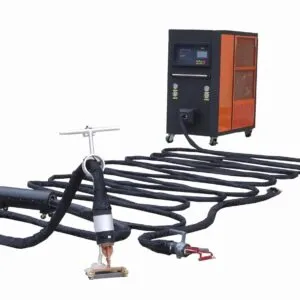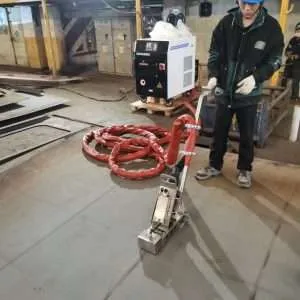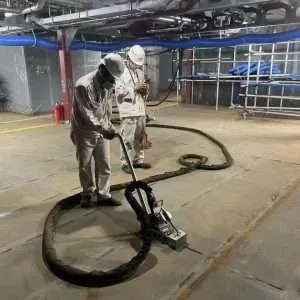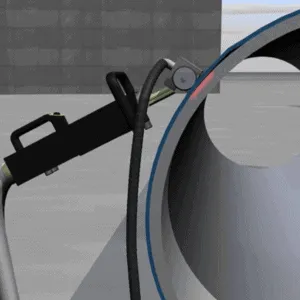
RPR Induction Paint Removal Heater
RPR Induction Paint Removal Heater|RPR Induction Coating Removal Machine
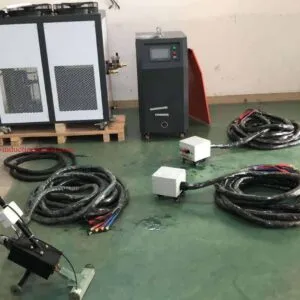
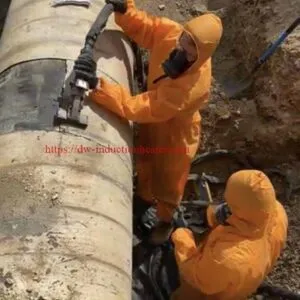
Quick Answer: The HLQ RPR induction coating removal machine is an industrial electromagnetic heating system designed to remove paint, epoxy, rubber, anti-corrosion coatings, passive fire protection coatings and other bonded materials from electrically conductive steel surfaces. Instead of mechanically grinding through the coating, induction heating generates controlled heat inside the steel substrate. The heat weakens the bond between the coating and the steel so the coating can be peeled, lifted or scraped away.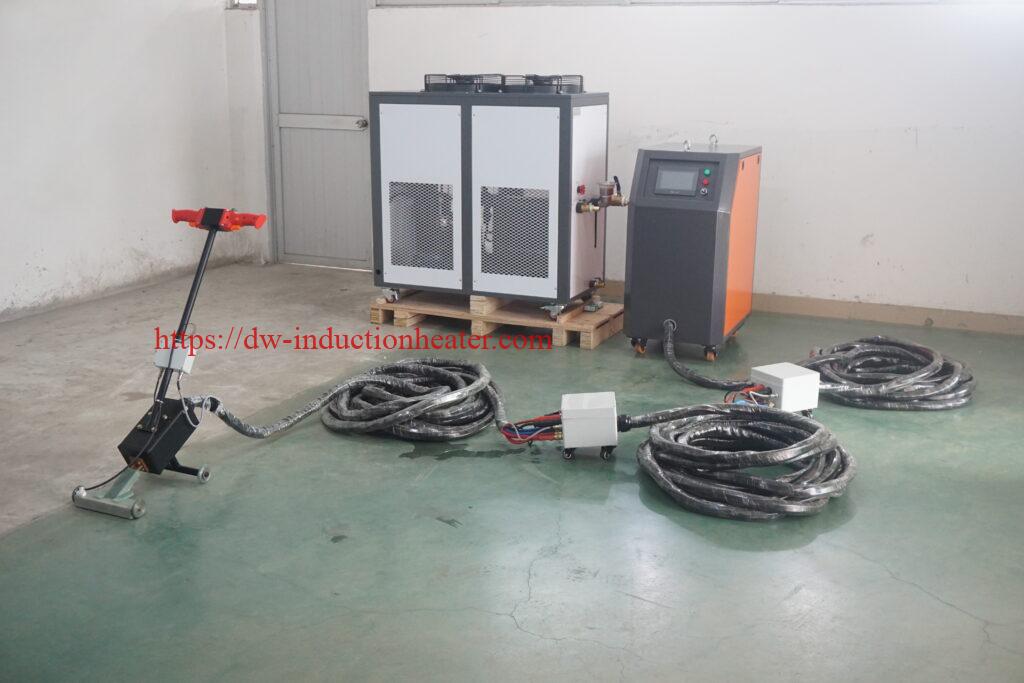
The HLQ DWS-P series includes DWS-25P, DWS-30P and DWS-60P induction coating removal systems with power from 25 kW to 60 kW, operating frequencies of approximately 20–50 kHz and long-distance handheld heating configurations suitable for field maintenance.
Typical applications include pipelines, oil and gas facilities, storage tanks, ships, offshore structures, bridges, steel fabrication and industrial maintenance. For a wider overview of this technology, see HLQ’s induction stripping and coating removal systems.
What Is RPR Induction Coating Removal?
RPR induction coating removal is a controlled thermal disbonding process used to remove coatings from electrically conductive metal substrates, particularly carbon steel.
An induction power supply sends alternating electrical current through an induction coil located inside the handheld heating head. The coil generates an alternating electromagnetic field. When the heating head is positioned close to the steel surface, this field induces electrical currents inside the steel.
Because the steel has electrical resistance, the induced currents are converted into heat. The important point is that the thermal energy is generated inside the steel substrate underneath the coating, rather than being applied only to the outside surface of the paint.
As the temperature rises at the steel-to-coating interface, adhesion decreases. The coating can then separate from the steel in strips, sheets or sections depending on its composition and thickness.
How Does an RPR Induction Paint Removal Machine Work?
The basic working sequence is:
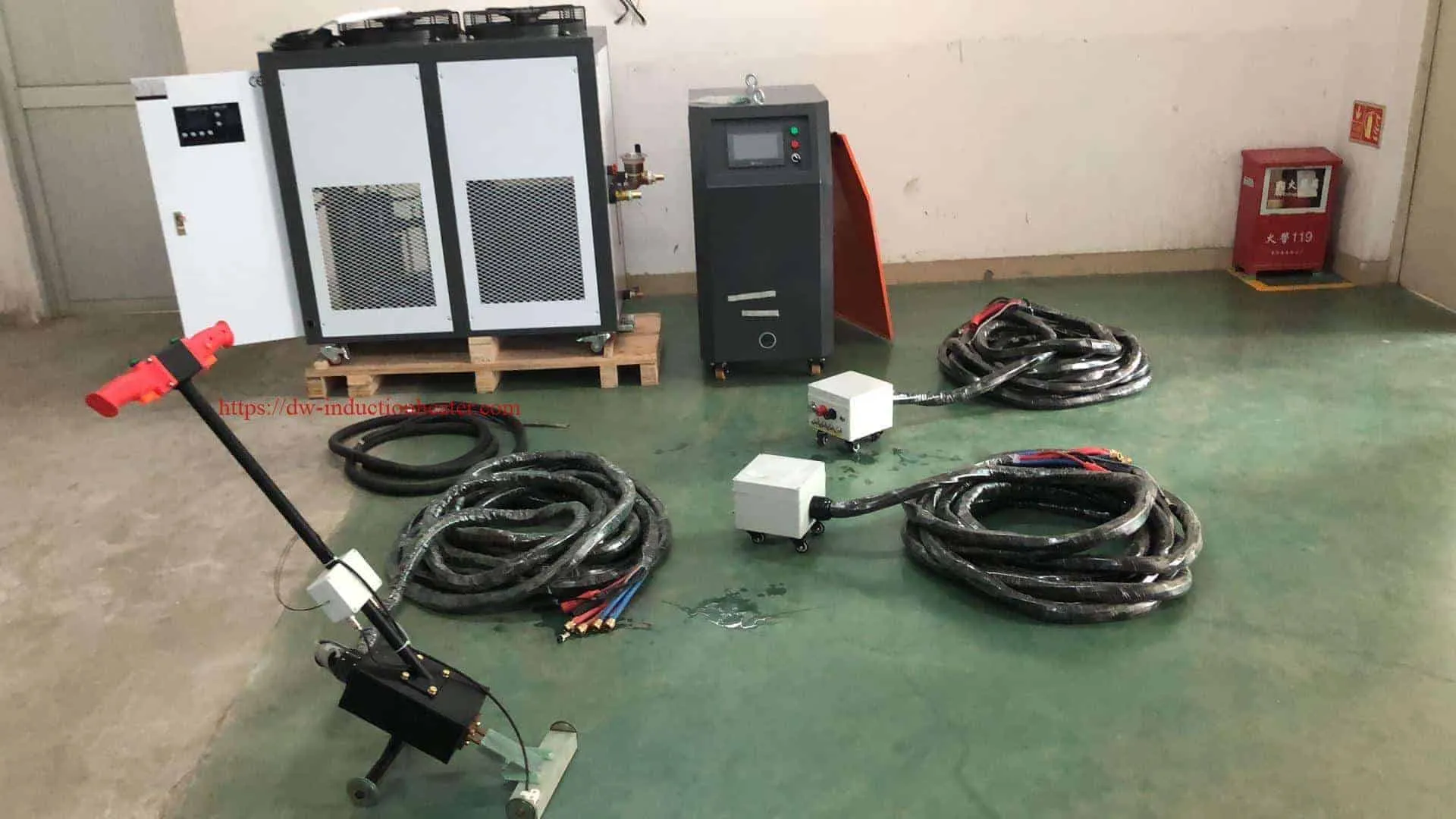
Industrial Electrical Supply → Induction Power Supply → Long-Distance Cable → Handheld Heating Head → Electromagnetic Field → Steel Heating → Coating Disbonding → Coating Removal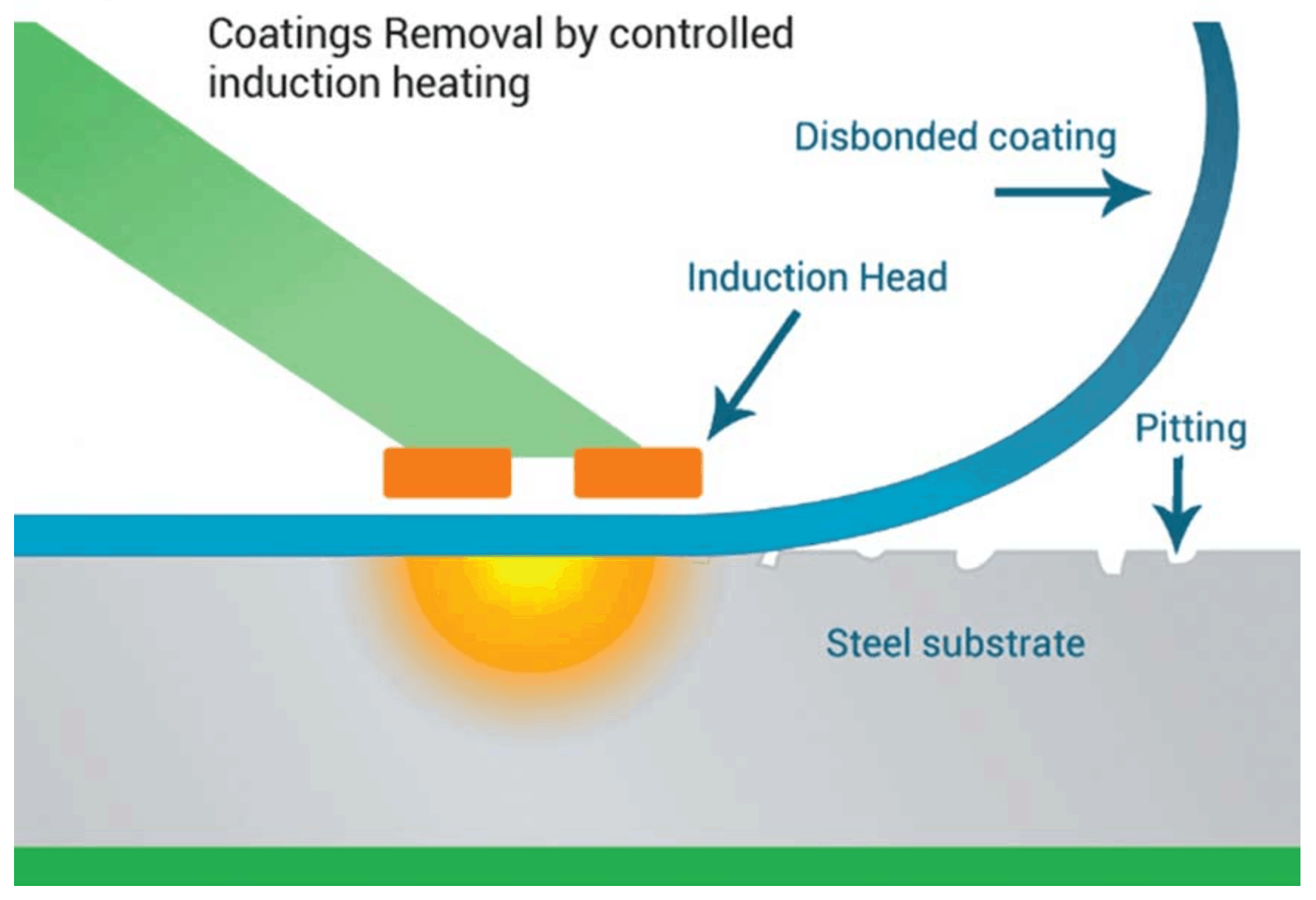
- Power conversion: The induction power supply converts incoming three-phase electricity into controlled medium-frequency electrical power.
- Electromagnetic field generation: Alternating current passes through the induction coil inside the heating head.
- Eddy-current formation: The alternating magnetic field induces electrical currents inside the steel substrate.
- Localized steel heating: Electrical resistance converts the induced currents into thermal energy.
- Interface heating: Temperature increases at the boundary between the coating and the steel.
- Bond weakening: Thermal expansion and softening reduce coating adhesion.
- Mechanical removal: The loosened coating is peeled, lifted or scraped from the metal surface.
This process is particularly useful when coatings are thick, strongly bonded or difficult to remove with conventional mechanical methods.
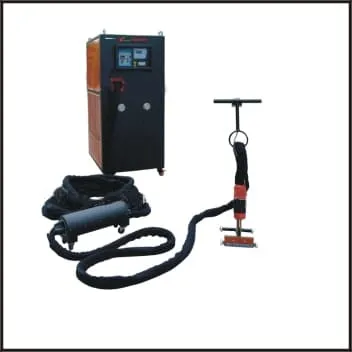
HLQ RPR Induction Coating Removal System Components
| Component | Main Function |
|---|---|
| Induction Heating Power Supply | Generates and regulates medium-frequency electrical power |
| Long-Distance Output Cable | Connects the main power unit with the remote handheld heating head |
| Handheld Induction Heating Head | Applies the electromagnetic field to the target steel surface |
| Induction Coil | Generates the alternating magnetic field |
| Matching Circuit | Matches the electrical characteristics of the generator, cable and coil |
| Cooling System | Controls operating temperature of induction components |
| Control System | Adjusts power and monitors operating conditions |
| Operator Handle | Allows controlled movement of the heating head over the work surface |
RPR Induction Coating Removal Machine Technical Specifications
| Parameter | DWS-25P | DWS-30P | DWS-60P |
|---|---|---|---|
| Maximum Input Power | 25 kW | 30 kW | 60 kW |
| Output Frequency | 20–50 kHz | 20–50 kHz | 20–50 kHz |
| Output Current | 5–45 A | 6–54 A | 12–108 A |
| Output Voltage | 70–520 V | Application dependent | Application dependent |
| Input Voltage | 380 V / 3 Phase / 50–60 Hz | 380 V / 3 Phase / 50–60 Hz | 380 V / 3 Phase / 50–60 Hz |
| Long-Distance Cable | 20 m | 20–40 m | 20–40 m |
| Listed Duty Cycle | 50% | 50% | 50% |
| Cooling Water Pressure | ≥0.5 MPa | ||
| Cooling Water Flow | ≥30 L/min | ||
| Internal Water Chiller | Yes | Yes | Yes |
Note: Technical specifications may vary according to cable length, heating-head design, electrical supply and production revision. Final configuration should be confirmed for the specific project.

Machine Dimensions and Weight
| Parameter | DWS-25P | DWS-30P | DWS-60P |
|---|---|---|---|
| Generator Weight | Approx. 280 kg | Approx. 316 kg | Approx. 580 kg |
| Heating Head Weight | Approx. 2.2 kg | Approx. 2.7 kg | Approx. 4.5 kg |
| Generator Dimensions | Approx. 103 × 75 × 156.6 cm | Approx. 103 × 75 × 156.6 cm | Approx. 70 × 40 × 103.5 cm |
| Heating Head Dimensions | Approx. Ø6.5 × 16.5 cm | Approx. Ø8 × 18.5 cm | Approx. Ø11.8 × 24 cm |
DWS-25P vs DWS-30P vs DWS-60P
| Model | Power | Recommended Application | Typical Project Scale |
|---|---|---|---|
| DWS-25P | 25 kW | Localized paint removal, maintenance areas and smaller steel surfaces | Small to medium |
| DWS-30P | 30 kW | General industrial coating stripping, tanks and pipelines | Medium |
| DWS-60P | 60 kW | Heavy coatings, large pipelines, marine and offshore applications | Medium to large |
The correct RPR induction heater should not be selected only according to nominal power. Coating composition, coating thickness, steel thickness, workpiece geometry, required removal rate and operating distance are equally important.
Long-Distance Handheld Coating Removal
One of the key advantages of the HLQ RPR configuration is the ability to place the main induction generator away from the actual coating-removal area.
A long output cable connects the power unit to the handheld heating head. This allows the operator to move around pipelines, tanks, ships or large structures while the main generator remains stationary.
This configuration can be useful when working on:
- Long oil and gas pipelines
- Large-diameter steel pipes
- Storage tanks
- Ship hulls
- Offshore structures
- Steel bridges
- Large fabricated steel structures
- Maintenance areas with limited equipment access

What Types of Coatings Can Be Removed?
Induction disbonding is suitable for many industrial coating systems applied over electrically conductive steel.
| Coating Type | Typical Suitability | Common Application |
|---|---|---|
| Industrial Paint | Excellent | Tanks, ships, pipelines and steel structures |
| Epoxy Coating | Excellent | Oil & gas pipelines and storage tanks |
| Coal Tar Epoxy | Excellent | Pipelines and marine structures |
| Fusion Bonded Epoxy | Good / application dependent | Steel pipelines |
| Polyethylene Coating | Application dependent | Pipeline protection systems |
| Polyurethane | Good | Industrial protective coatings |
| Vulcanized Rubber | Good | Rubber-lined steel equipment |
| Anti-Skid Coating | Good | Ship decks and industrial steel surfaces |
| Intumescent Coating | Application dependent | Structural fire protection |
| PFP Coating | Application dependent | Offshore and petrochemical steel structures |
| Fiberglass-Reinforced Coating | Application dependent | Industrial corrosion protection |
| Adhesive-Bonded Material | Application dependent | Maintenance and dismantling |
For unusual coatings, customers should provide the coating material, number of layers and total thickness before machine selection.
Induction Coating Removal from Steel Surfaces
Carbon steel is particularly suitable for induction coating removal because it couples efficiently with the alternating electromagnetic field.
Unlike conventional thermal stripping, heat does not need to travel through the complete coating thickness before reaching the metal. The induction system generates thermal energy directly in the conductive steel underneath the coating.
This is why induction coating removal from steel surfaces can be particularly useful for thick paint, epoxy and bonded protective layers.
The objective is normally to weaken the interfacial bond rather than burn the coating. After disbonding, the coating can often be removed as relatively large pieces.
What Happens at the Steel-to-Coating Interface?
Coatings remain attached to steel through a combination of chemical adhesion, mechanical adhesion and surface interaction.
Rapid localized heating of the substrate produces several effects:
- The steel expands as its temperature increases.
- The coating expands at a different rate.
- Adhesive properties may decrease with temperature.
- Thermal stress develops at the interface.
- The bond between coating and substrate weakens.
When sufficient disbonding has occurred, mechanical force from a scraper or peeling tool can separate the coating from the steel.
Typical Coating Disbonding Temperature
For some heavy industrial coating-removal applications, substrate-interface temperatures in the approximate range of 300–400°C may be used.
This should not be treated as a universal setting. Different coatings can soften or disbond at significantly different temperatures.
Actual operating temperature depends on:
- Coating chemistry
- Coating thickness
- Steel grade
- Steel thickness
- Nearby welds
- Heat-sensitive components
- Required substrate condition
- Operator travel speed
Testing a representative area before full-scale stripping is recommended.
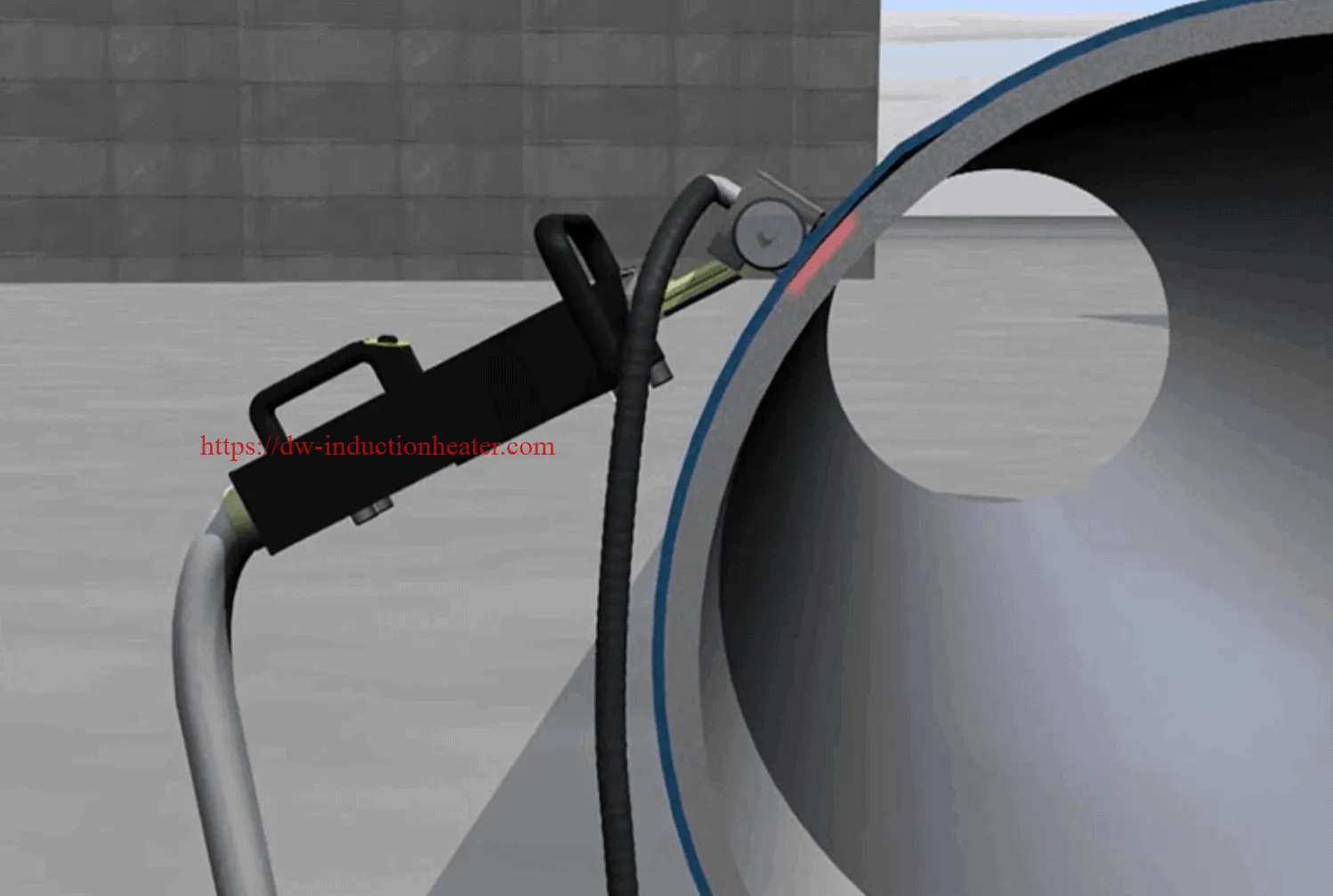
RPR Induction Pipeline Coating Removal
Pipeline maintenance is one of the most important applications for RPR induction technology.
Oil, gas and industrial pipelines commonly use thick multi-layer protective coatings to prevent corrosion. These coatings may need to be removed during inspection, repair, recoating or pipeline modification.
Typical pipeline maintenance operations include:
- Corrosion inspection
- Pipeline integrity assessment
- Weld inspection
- Field joint repair
- Local pipeline repair
- Valve replacement
- Pipeline modification
- Recoating preparation
HLQ also offers a dedicated RPR induction pipeline coating removal system for applications focused specifically on pipe surfaces and long-distance field operation.
Typical Pipeline Coating Systems
| Pipeline Coating | Typical Induction Removal Consideration |
|---|---|
| Fusion Bonded Epoxy (FBE) | Parameters depend on coating thickness and pipe-wall thermal mass |
| 3-Layer Polyethylene (3LPE) | Requires controlled heating according to individual layer structure |
| 3-Layer Polypropylene (3LPP) | Application-specific heating and peeling method required |
| Coal Tar Epoxy | Common candidate for induction disbonding |
| Rubber Lining | Can often be removed by heating the steel/rubber interface |
| Polyurethane | Suitable depending on formulation and thickness |
| Multi-Layer Coatings | Requires evaluation of individual coating layers |
Pipe Diameter and Steel Thickness Considerations
Pipe diameter alone does not determine the required induction power.
The thermal mass of the pipe wall is particularly important. A thick-wall pipe absorbs more energy than a thin-wall pipe for the same temperature rise.
| Parameter | Why It Matters |
|---|---|
| Pipe Diameter | Influences surface curvature and heating-head geometry |
| Pipe Wall Thickness | Controls thermal mass and required energy |
| Steel Grade | Affects electromagnetic coupling and temperature limitations |
| Coating Thickness | Influences heat transfer and mechanical removal method |
| Coating Type | Determines approximate disbonding behavior |
| Required Strip Width | Influences heating-head selection |
| Required Productivity | Influences power level and operator workflow |
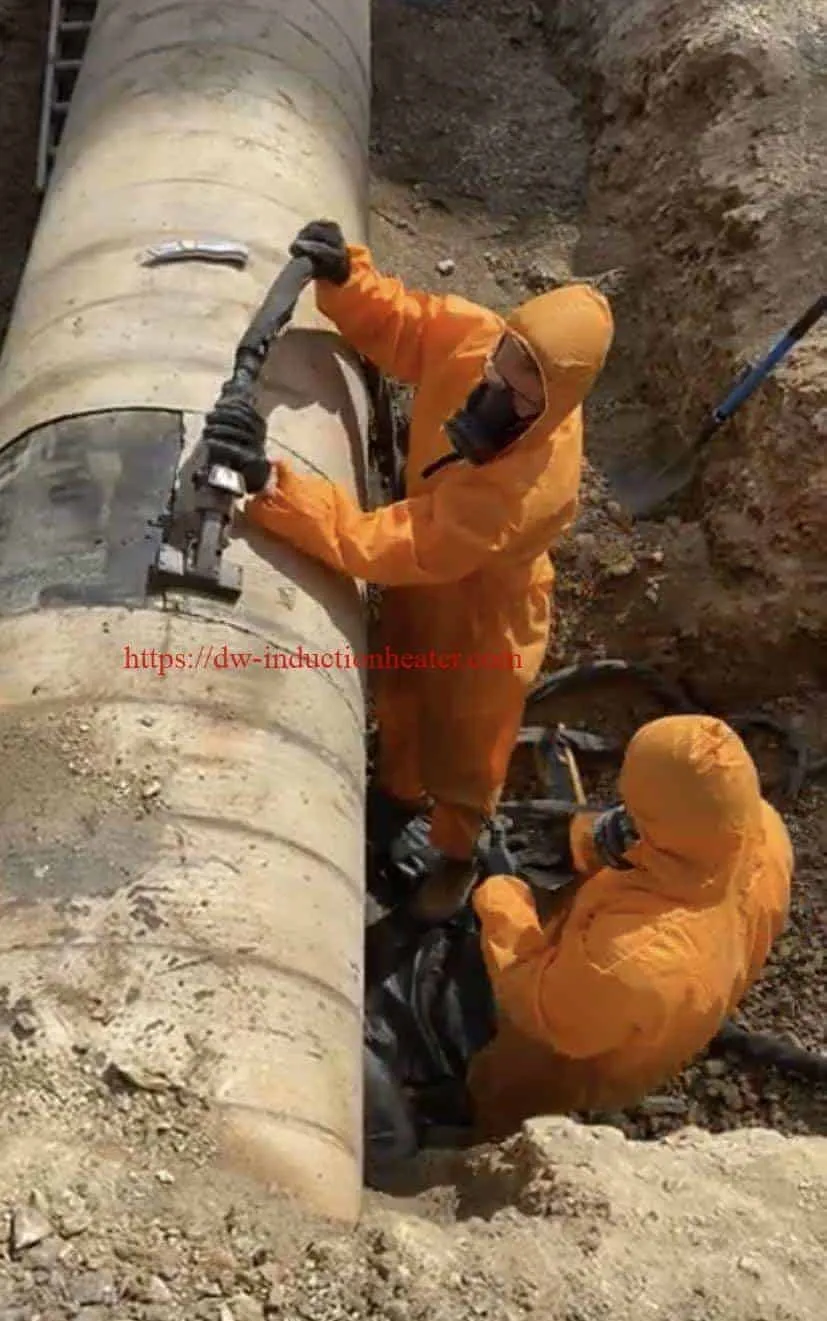
Induction Coating Removal for Storage Tanks
Storage tanks commonly require coating removal during inspection, corrosion repair and refurbishment.
RPR induction stripping can be applied to selected areas including:
- Tank shell plates
- Tank roof sections
- Bottom plates
- Weld inspection zones
- Nozzle areas
- Corrosion repair sections
- Localized recoating areas
The handheld system allows operators to work on large steel surfaces without bringing the complete power supply directly to every working position.
Marine and Ship Coating Removal
Ships and marine structures use heavy-duty protective coatings designed to withstand salt water, abrasion and corrosion.
Potential RPR applications include:
- Ship hull paint removal
- Deck coating removal
- Ballast tank maintenance
- Structural steel repair
- Weld inspection preparation
- Anti-skid coating removal
- Localized corrosion repair
Compared with grinding and abrasive blasting, induction disbonding does not intentionally abrade the underlying steel during the primary stripping process.
Offshore Oil & Gas Coating Removal
Offshore steel structures often use specialized anti-corrosion and passive-fire-protection coating systems.
Typical applications include:
- Offshore platforms
- Process modules
- Structural beams
- Pipework
- Risers
- PFP-coated structures
- Marine terminals
For offshore projects, electrical installation, work-area classification, environmental conditions and coating composition must be reviewed during equipment selection.
Induction Removal of Rubber from Steel
RPR induction heating can also be used to assist with the removal of bonded rubber from steel.
Instead of attempting to cut or grind through the rubber layer, induction energy heats the underlying steel and weakens the bonding interface.
Applications may include:
- Vulcanized rubber bonded to steel
- Rubber-lined pipelines
- Rubber-lined tanks
- Industrial rollers
- Mining equipment
- Steel components with bonded elastomers
Rubber compositions and bonding adhesives vary widely, so application testing is recommended before final equipment configuration.
Induction Coating Removal vs Sandblasting
| Feature | RPR Induction Removal | Abrasive Blasting |
|---|---|---|
| Primary Mechanism | Thermal disbonding | Mechanical abrasion |
| Abrasive Media | Not required | Required |
| Secondary Abrasive Waste | No blast media | Blast media mixed with removed coating |
| Dust Generation | Generally relatively low | Can be significant |
| Noise | Relatively low | High |
| Localized Stripping | Excellent | Possible with containment |
| Steel Material Removal | Minimal when correctly controlled | Abrasive action affects the surface |
| Creates Anchor Profile | No | Yes, depending on abrasive and parameters |
The two technologies are not always complete substitutes. Induction heating may remove the existing coating, while abrasive blasting may still be required afterward when the new coating specification requires a defined anchor profile.
A broader technical discussion of paint removal with induction heating for pipelines and steel plates can help determine where thermal stripping is most appropriate.
Induction Coating Removal vs Water Jetting and Grinding
| Feature | Induction Stripping | Water Jetting | Mechanical Grinding |
|---|---|---|---|
| Removal Principle | Thermal disbonding | High-pressure water | Mechanical abrasion |
| Process Water | Cooling circuit only | High consumption | Not normally required |
| Main Waste | Removed coating pieces | Water + coating waste | Dust and particles |
| Noise | Relatively low | High | High |
| Steel Abrasion | Minimal when controlled | Application dependent | Possible |
| Thick Bonded Coatings | Potentially very effective | Application dependent | Can be labor intensive |
| Localized Repair | Very suitable | Possible | Very suitable |
Key Advantages of RPR Induction Paint Removal
Direct Heating of the Metal Substrate
Energy is generated inside the conductive steel rather than being applied only to the exterior of the coating.
Localized Heating
The operator can heat only the area where coating removal is required.
No Abrasive Blast Media
The induction process itself does not require sand, grit or other abrasive media.
Reduced Secondary Waste
Coatings may separate in relatively large pieces, simplifying handling compared with a mixture of coating dust and spent abrasive.
Low Process Noise
Induction stripping typically produces much less process noise than grinding, abrasive blasting and high-pressure water jetting.
No Open Flame at the Work Surface
Heat is generated electromagnetically in the metal rather than by a direct combustion flame.
Adjustable Power
Induction output can be adjusted according to coating type, steel thickness and required heating rate.
Suitable for Flat and Curved Surfaces
Different heating-head designs can be used for steel plate, tank walls and pipeline surfaces.
Long-Distance Working Capability
The long cable allows the main generator to remain away from the operator’s immediate working position.
Understanding the Induction Heating Principle
RPR coating removal is based on the same electromagnetic principle used throughout industrial induction heating.
The main variables affecting energy transfer include operating frequency, magnetic properties, electrical resistivity, coil-to-workpiece distance and workpiece geometry.
Users who want a deeper technical explanation can review the basic principles of induction heating, including electromagnetic fields, eddy currents and electrical resistance heating.
Which Materials Are Suitable for Induction Coating Removal?
| Substrate | Suitability | Engineering Note |
|---|---|---|
| Carbon Steel | Excellent | Strong electromagnetic coupling |
| Mild Steel | Excellent | Common RPR application |
| Low-Alloy Steel | Very Good | Requires temperature consideration |
| Stainless Steel | Application dependent | Performance varies by grade and magnetic properties |
| Aluminum | Application dependent | Requires dedicated coil and frequency evaluation |
| Copper | Specialized application | High electrical conductivity affects coupling |
| Wood | Not directly suitable | Non-conductive substrate |
| Plastic | Not directly suitable | Non-conductive substrate |
| Concrete | Not directly suitable | Cannot normally be directly induction heated |
Factors Affecting Coating Removal Speed
Coating-removal productivity should not be stated as one universal number because project conditions vary considerably.
| Factor | Effect on Removal Performance |
|---|---|
| Induction Power | Controls available heating energy |
| Coating Chemistry | Different materials soften and disbond differently |
| Coating Thickness | Influences thermal behavior and peeling method |
| Steel Thickness | Greater thermal mass normally requires more energy |
| Steel Grade | Affects electromagnetic and thermal properties |
| Heating-Head Size | Determines effective treatment width |
| Operator Travel Speed | Controls energy applied per unit area |
| Head-to-Surface Distance | Affects electromagnetic coupling |
| Ambient Temperature | Influences heat losses |
| Surface Geometry | Complex shapes may require slower movement or special coils |
Recommended RPR Coating Removal Workflow
- Identify the substrate material.
- Determine steel thickness.
- Identify the coating material and number of layers.
- Measure coating thickness.
- Check for nearby temperature-sensitive parts.
- Select the appropriate induction power and heating head.
- Start with conservative heating parameters.
- Test a representative sample area.
- Observe coating softening and disbonding behavior.
- Adjust induction power and travel speed.
- Move the heating head continuously across the target surface.
- Remove the loosened coating.
- Inspect the exposed substrate.
- Carry out additional cleaning or surface profiling where required.
How to Select an RPR Induction Coating Removal Machine
The following information should be collected before selecting DWS-25P, DWS-30P or DWS-60P.
| Project Parameter | Example |
|---|---|
| Application | Pipeline coating removal |
| Substrate | Carbon steel |
| Steel Thickness | 12 mm |
| Pipe Diameter / Surface Size | Ø800 mm |
| Coating Type | FBE / epoxy / rubber / PFP |
| Coating Thickness | 3 mm |
| Total Removal Area | 500 m² |
| Required Productivity | m²/h |
| Required Cable Length | 20 m / 40 m |
| Electrical Supply | 380 V / 50 Hz / 3 Phase |
| Working Environment | Workshop / pipeline / shipyard / offshore |
| Operating Hours | 8–24 hours/day |
Recommended Model Selection Guide
| Project Requirement | Suggested Starting Model |
|---|---|
| Small maintenance areas | DWS-25P |
| General paint and epoxy stripping | DWS-30P |
| Pipeline coating removal | DWS-30P / DWS-60P |
| Thick rubber coating | DWS-60P evaluation recommended |
| Large storage tanks | DWS-60P evaluation recommended |
| Marine and offshore structures | DWS-60P evaluation recommended |
| High-productivity industrial projects | DWS-60P or multiple systems |
Final selection should be confirmed through coating information and, for difficult applications, representative testing.
Electrical Supply Requirements
The standard DWS-P specifications list 380 V, three-phase, 50/60 Hz.
For international projects, customers should provide:
- Plant voltage
- Electrical frequency
- Three-phase configuration
- Available transformer capacity
- Maximum available current
- Distance from distribution panel
- Local electrical requirements
Incoming cable size and circuit protection should be selected according to local electrical codes rather than machine power alone.
Cooling Requirements
Induction heating power electronics and the heating-head system require reliable cooling during operation.
| Cooling Parameter | Listed Requirement |
|---|---|
| Cooling Water Pressure | ≥0.5 MPa |
| Cooling Water Flow | ≥30 L/min |
| Cooling Configuration | Internal water chiller listed with the system |
| Cooling Water Quality | Clean water suitable for closed-loop equipment cooling recommended |
Scale, contamination or blocked cooling passages can reduce cooling performance and should be prevented through suitable water management.
Important Safety Considerations
Industrial coating removal can involve high substrate temperatures, electrical power and potentially hazardous coating materials.
Project safety planning should consider:
- Electrical isolation and grounding
- Hot-surface hazards
- Operator gloves and suitable PPE
- Ventilation
- Coating decomposition temperature
- Potential fumes
- Lead-containing or hazardous coatings
- Live pipeline operating conditions
- Nearby combustible materials
- Nearby temperature-sensitive components
- Work-area classification
Important: The absence of an open flame does not automatically mean that a standard induction coating removal system is certified for explosive atmospheres. ATEX, IECEx or other hazardous-area requirements must be reviewed separately when applicable.
Applications by Industry
| Industry | Typical RPR Application |
|---|---|
| Oil & Gas | Pipeline coatings, storage tanks and structural steel |
| Pipeline Maintenance | FBE, epoxy, polyethylene and rubber coating removal |
| Marine | Ship hulls, decks and structural coating removal |
| Offshore | PFP, epoxy and corrosion-protection coating stripping |
| Storage Terminals | Tank inspection and recoating preparation |
| Steel Construction | Bridges, beams and structural steel |
| Mining | Rubber-lined and coated steel components |
| Industrial Maintenance | Paint, adhesive and bonded-material removal |
RPR Induction Coating Removal Equipment Manufacturer
HLQ Induction Equipment Co., Ltd. supplies industrial induction heating systems for coating stripping, paint removal, rubber removal and other thermal disbonding processes.
HLQ’s dedicated RPR induction coating removal heater product range can be configured according to coating type, substrate, power requirement, heating-head design and working distance.
The DWS-P system can provide:
- 25–60 kW induction power
- 20–50 kHz operating frequency
- Long-distance handheld operation
- IGBT induction power electronics
- Adjustable induction output
- Water-cooled operation
- Different heating-head configurations
- Flat-surface and curved-surface applications
- 50 Hz and 60 Hz industrial power compatibility
- Application-specific engineering support
Frequently Asked Questions About RPR Induction Coating Removal
What is RPR induction coating removal?
RPR induction coating removal is a thermal disbonding process that uses electromagnetic induction to heat an electrically conductive metal substrate. Heat weakens the bond between the coating and metal so the coating can be removed mechanically.
Can induction heating remove paint from steel?
Yes. Paint removal from carbon steel is one of the primary applications. Heat generated inside the steel weakens the paint-to-steel bond.
Can induction heating remove epoxy coatings?
Yes. Many industrial epoxy coatings can be disbonded by induction heating. Required settings depend on epoxy composition, thickness and steel geometry.
Can RPR remove pipeline coatings?
Yes. RPR induction technology is suitable for selected pipeline coating-removal applications, including maintenance, corrosion inspection, field repair and recoating preparation.
Can induction heating remove FBE pipeline coating?
Fusion bonded epoxy can be a suitable candidate for induction removal. Actual power and travel speed should be established according to coating thickness and pipe-wall thickness.
Can induction heating remove 3LPE or 3LPP coatings?
These multi-layer pipeline coatings can potentially be disbonded through controlled substrate heating, but their different polymer and adhesive layers require application-specific testing.
Can an RPR machine remove rubber from steel?
Many bonded or vulcanized rubber systems can be separated from steel using induction heating. Testing is recommended because rubber formulations and adhesives vary considerably.
Can induction remove passive fire protection coatings?
Some PFP and intumescent coating systems are suitable for induction disbonding, but thickness, composition and allowable substrate temperature must be evaluated.
Does induction coating removal damage the steel?
The process does not intentionally abrade the substrate. However, steel temperature must be controlled to avoid excessive heating, especially on thin sections or heat-sensitive components.
Does induction coating removal generate dust?
It normally generates substantially less dust than abrasive blasting or grinding because the process does not mechanically pulverize the coating during the heating stage.
Does RPR induction stripping require sand or grit?
No. No abrasive blast medium is required for the induction disbonding stage.
Does induction stripping create a surface profile?
No. The process removes coating without intentionally creating an abrasive anchor profile. Additional surface preparation may therefore be needed before recoating.
Can RPR coating removal be used on curved surfaces?
Yes. Heating heads can be configured for flat steel plate, pipelines and other curved metallic surfaces.
Can it be used on stainless steel?
Potentially. Performance depends on stainless steel grade, magnetic properties, thickness, operating frequency and coil design.
Can coatings be removed from aluminum?
Aluminum is electrically conductive and can be induction heated, but it behaves differently from carbon steel. A dedicated engineering evaluation is required.
What power models are available?
The models currently listed include DWS-25P at 25 kW, DWS-30P at 30 kW and DWS-60P at 60 kW.
What is the operating frequency?
The listed frequency range for the DWS-P systems is approximately 20–50 kHz.
How long can the output cable be?
Typical configurations shown for these systems include approximately 20–40 meters, depending on machine and heating-head configuration.
Which RPR machine is suitable for pipeline coating removal?
DWS-30P and DWS-60P are typical models to evaluate for industrial pipeline applications. Final selection depends on coating type, wall thickness, pipe diameter and required productivity.
Is induction coating removal faster than sandblasting?
It can be faster for some thick and strongly bonded coatings because energy attacks the coating-to-steel interface. Actual productivity depends on the coating system and substrate.
Can RPR be used outdoors?
Yes, subject to suitable environmental protection, electrical installation and site operating requirements.
Is RPR induction coating removal flameless?
The induction heating process itself does not use an open flame. Heat is generated electromagnetically within the conductive metal substrate.
Can the machine operate in explosive environments?
Only when the complete system and installation comply with the applicable hazardous-area requirements. Standard equipment should not automatically be considered ATEX or IECEx certified.
What information is required for a quotation?
Provide the steel material and thickness, coating type and thickness, pipe diameter or surface dimensions, total removal area, required productivity, cable length, electrical supply and working environment.
Request an RPR Induction Coating Removal Machine Quotation
For accurate equipment selection, please provide the following information:
| Required Project Information | Customer Data |
|---|---|
| Application | ________________________ |
| Substrate Material | ________________________ |
| Steel Thickness | _____ mm |
| Pipeline Diameter / Surface Dimensions | ________________________ |
| Coating Type | ________________________ |
| Coating Thickness | _____ mm |
| Total Removal Area | _____ m² |
| Required Removal Rate | _____ m²/h |
| Required Cable Length | _____ m |
| Operating Hours | _____ hours/day |
| Electrical Supply | _____ V / _____ Hz / 3 Phase |
| Installation Country | ________________________ |
RPR Induction Paint Removal Heater-RPR Induction Paint Remover-RPR Induction Paint Disbonding Heater
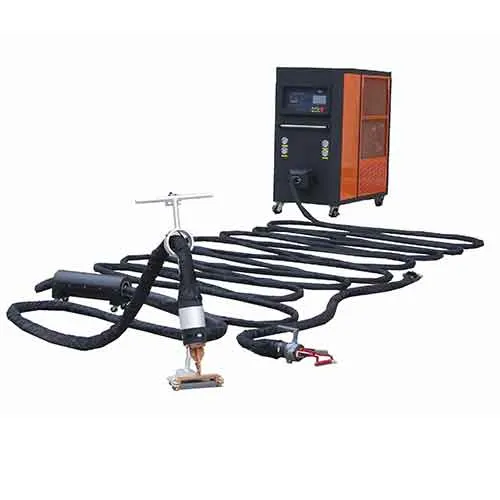
HLQ Long distance RPR induction coating removal heater is consisted of medium frequency induction heating generator, long distance cable and hand-held heating head. Power ranges from 30 to 60KW, and output frequency 20KHz around, cable length can be 20 or 40m long. HLQ RPR induction coating removal heater can be used for heating for coatings removing,rubber removal,paint removal,copper connector brazing, copper tube brazing, surface heating,etc.
RPR Induction coating removal heater
 Working theory and acteristics
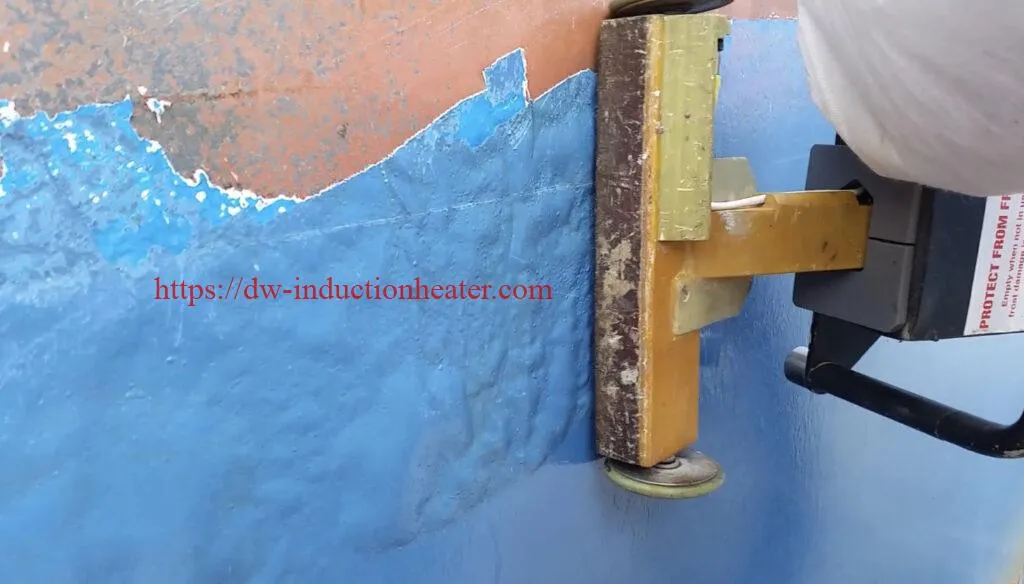
HLQ induction heating machines adopt series oscillating circuit, inverting high frequency power is output through transformer and oscillating cap to the heating head, and then output to coil for heating. 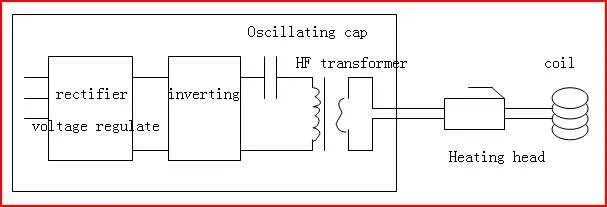 In HLQ RPR Induction Coating Removal Heater, our latest third generation inverting and adjust technologies are adopted to realize soft switching of the IGBT components and independent adjusting of the power and frequency, so as to reach a marvelous heating feature of the machine.
| Model | DWS-25P | DWS-30P | DWS-60P | |
| Max input power | 25kw | 30kw | 60kw | |
| Length of heating head | 20M | 20-40M | ||
| Output frequency | 20-50KHz | |||
| Output current | 5~45A | 6-54A | 12-108A | |
| Output voltage | 70~520V | |||
| Input voltage | 380V,3phases,50/60Hz | |||
| Duty cycle | 50% | |||
| Cooling water | ≥0.5MPa ≥30L/min | |||
| Inner water chiller | Yes | |||
| Weight | Generator | 280KG | 316KG | 580KG |
| Heating head | 2.2KG | 2.7KG | 4.5KG | |
| Size/cm | Generator | 103L×750W×156.6H | 103L×750W×156.6H | 70L×40W×103.5H |
| Heating head | Ф6.5×16.5L | Ф8×18.5L | Ф11.8×24L | |
How RPR induction paint removal | RPR Induction Stripping Works?
RPR induction coating removal | Induction stripping is a hot surface preparation process.An induction heating generator sends alternating current through an induction coil, which generates an electromagnetic field. This field induces currents that are converted into heat in contact with conducting materials such as steel. The heat is generated beneath the coating, causing the coating to peel rapidly. This method is suitable for treating flat or curved surfaces on the jobsite and does not require any confinement. The RPR induction coating removal|induction stripping system will strip paint, other coatings, heavy rust, bacterial corrosion and oil and grease electrically conductive surfaces (ferromagnetic steel) breaking the interfacial bonding between the material and the substrate etch residues, induction heating localized and controlled which consumes minimal energy. HLQ simplifies your coatings removal needs with yet another revolutionary technology: Induction Stripping! HLQ’s induction stripping equipment removes your toughest coatings from steel structures with no noise or secondary waste—getting right down to the steel.
If you have ever wished for a magic wand to solve your coatings removal headaches, HLQ has the next best thing. HLQ technician can wave our induction wand over your coating catastrophe and dis-bond some of the hardest to remove coatings at rates that are up to 10 times faster than competing technologies like sandblasting.It’s not magic, but our induction stripping technology is a close second! When HLQ technicians move our induction head over a steel surface, it creates sufficient heat (typically 300 to 400 degrees) to quickly unbond most coatings from tanks, tankers, pipelines, ships and offshore platforms, allowing coatings (up to 1-inch thick) to be removed in sheets.
RPR Induction Coating Removal
RPR Heat Induction coating removal works by the principle of induction. Heat is generated in the steel substrate and the bond at the steel and coating interface is broken. The coating is then removed entirely without disintegrating and completely free from contaminating agents, i.e.. blast media. This makes disposal and recycling of waste easier and more cost effective. 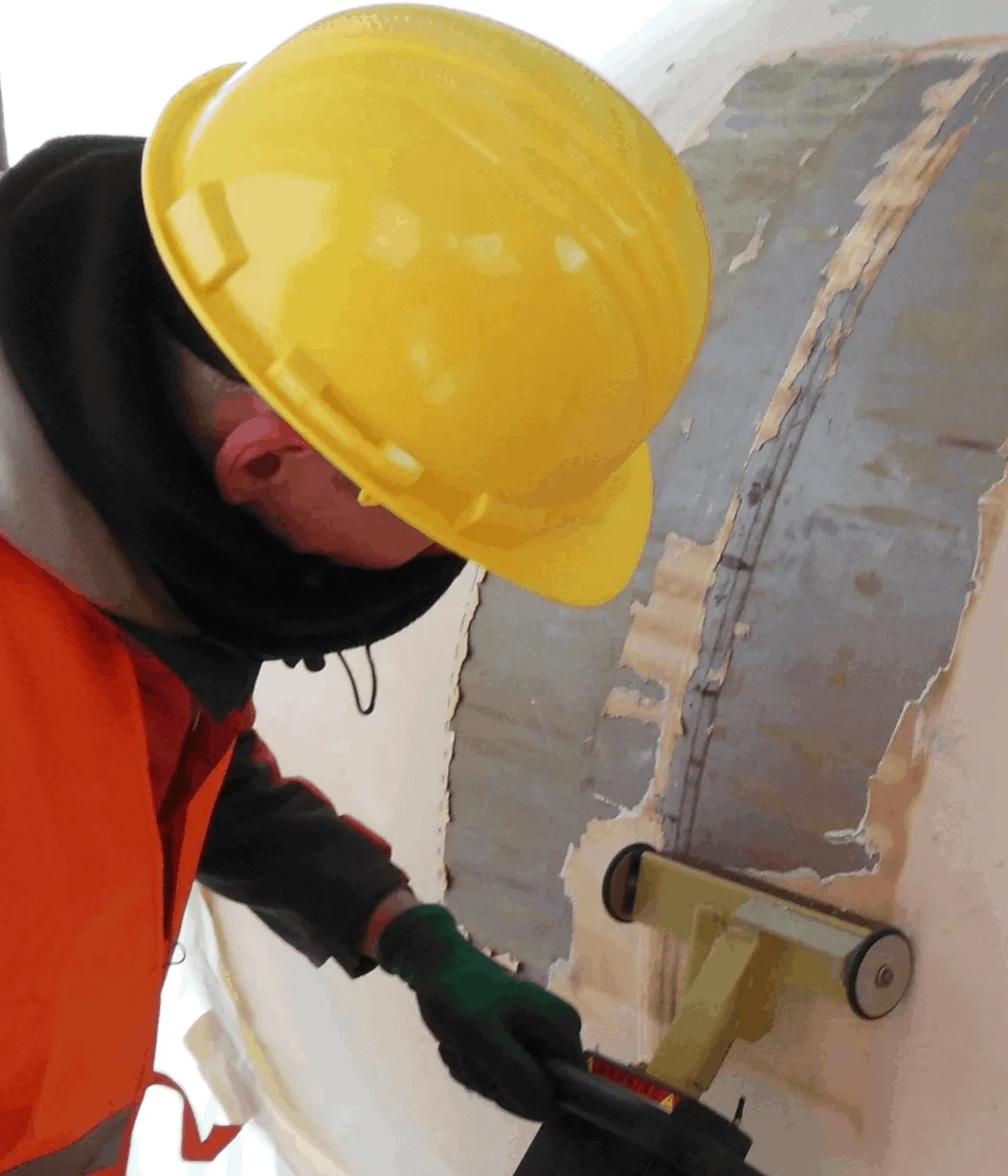 With minimum power consumption even the thickest and hardest coatings can be completely removed. RPR Induction Coating Removal is faster than conventional methods. A silent method of coating removal means that our engineers can operate day or night with no noise pollution. Because of the many advantages of our induction heating process, we’ve been able to provide a wide range of Alliance customers with the service they need. We’ve worked with customers in industries such as:
- Oil & gas
- Financial
- Food & beverage processing
- Retail and food services
- Marine
- Hotels & hospitality
- Commercial pools and aquariums
HLQ’s jaw-dropping induction dis-bonding process removes most coating types, including:
- Coal Tar Epoxy
- Polyethylene
- Fiberglass
- Anti-skid
- Rubber
- Chartek fireproofing or other intumescent coatings
Faster, Quieter, Cleaner, Safer Surface Preparation
A faster, safer and cleaner method for removing industrial coatings from steel surfaces. Some might say induction stripping is the “quick and dirty” way to get the job done, but truthfully it’s quick, and not messy at all. Because induction stripping creates no secondary waste, cleanup is simplified. Dealing with sheets or strips of coating is infinitely easier than dealing with blast media and dust.
In many cases, containment can be simplified or eliminated altogether. Imagine eliminating a costly scaffolding and containment project and replacing it with a snorkel lift and a drop cloth! Other trades can work in close proximity to HLQ’s induction stripping activities because it is a very quiet process that will not create obnoxious noises that disrupt the productivity of other contractors you may have working on your project. Our induction stripping equipment has no moving parts, making our process much safer than hydro-blasting or sandblasting for your employees, other contractors, customers and passersby.  RPR induction removes paint, coatings, thick rust, bacterial corrosion and oil & grease residues from electrically conductive surfaces (steel, etc.) by breaking the interfacial bonding between the material to be removed and the substrate using controlled, localized induction heating with a mini- mum consumption of energy.
The induction heating principle
The RPR induction generator sends alternating current through an induction heating coil, which gener- ates an electro-magnetic field. This magnetic field induces eddy currents in a conductive mate- rial like steel. Due to the resistance of the steel, these currents are converted to heat = induction heating. The heat is generated below the coat- ing, resulting in quick and clean disbonding. RPR Heat Induction works by the principle of induction. Heat is generated in the steel substrate and the bond at the steel and coating interface is broken. The coating is then removed entirely without disintegrating and completely free from contaminating agents, i.e.. blast media. This makes disposal and recycling of waste easier and more cost effective. 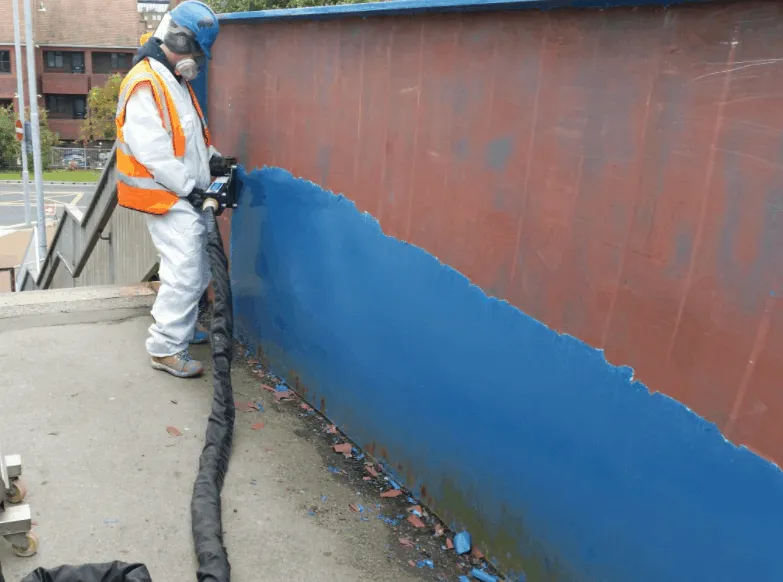 With minimum power consumption even the thickest and hardest coatings can be completely removed. RPR Heat Induction heating is faster than conventional methods. A silent method of coating removal means that our engineers can operate day or night with no noise pollution. The RPR Induction Coating Removal system is ideal for the removing paint, rust, and other coatings (vulcanized rubber, fire protectant, epoxies, etc. with control possibili- ties for the following functions: • Energy consumption • Disbonding temperature range • Heat penetration • Removal speed With above setting possibilities, RPR delivers unequalled performance and is the system of choice for cost-effective, safe and environmentally friendly surface coating removal from steel substrates. RPR is ideal for: marine, tanks, offshore and land-based pipelines