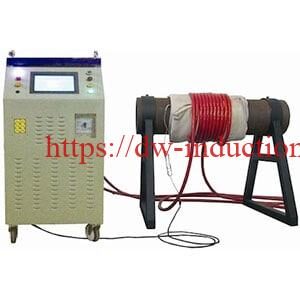
Induction thermal for the expansion and removal of large bearings, shafts and couplings for turbines and generators
Induction Thermal Expansion for the Removal of Large Bearings, Shafts and Couplings in Turbines and Generators
In power generation, every hour of downtime is costly. Turbines and generators in thermal, hydro, nuclear and wind power plants rely on large rotating assemblies supported by massive bearings, precision‑machined shafts and shrink‑fitted couplings. When these components must be removed for overhaul, traditional methods can be slow, hazardous and often damaging.
Modern induction thermal expansion technology has revolutionised this process. By using targeted induction heating, maintenance teams can expand and remove large bearings, shafts and couplings quickly and safely, without open flames or excessive mechanical force. This dramatically reduces outage times and protects high‑value rotating components.
How Induction Thermal Expansion Works
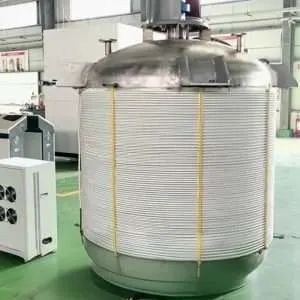
Induction heating uses electromagnetic fields to generate heat directly within metallic components. A power supply sends alternating current through a copper coil, creating an alternating magnetic field. When a conductive part—such as a coupling hub or bearing inner race—is placed within this field, eddy currents are induced in the metal, and its electrical resistance converts these currents into heat.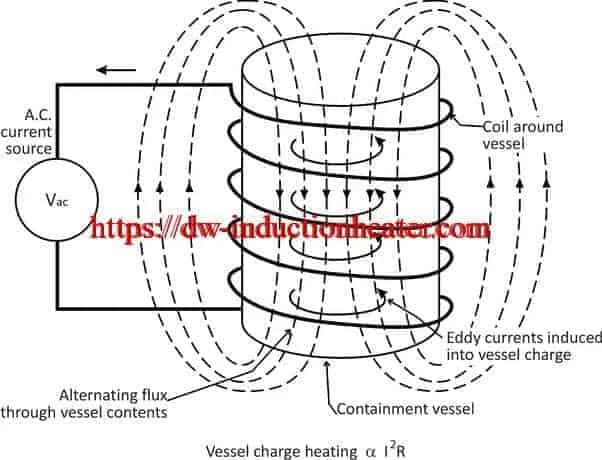
For disassembly, the principle is simple but powerful:
- The induction coil is positioned around the outer component to be removed (bearing race, coupling hub, shrink‑fit sleeve).
- The induction system rapidly heats this outer component only.
- The heated component expands slightly due to thermal expansion.
- Because the shaft or mating component stays relatively cooler, the interference fit is released.
- The bearing, coupling or sleeve can then be removed with minimal mechanical effort.
This controlled induction thermal expansion is far more precise than gas torches, and it avoids overheating the critical shaft or rotor.
Key Applications in Turbines and Generators
1. Removal of Large Generator and Turbine Bearings
Main bearings in large generators and steam or gas turbines are typically tight‑fitted onto shafts or into housings. Removing them with conventional heating and heavy pullers risks:
- Shaft scoring and surface damage
- Misalignment or distortion
- Extended downtime due to slow heating and difficult extraction
With induction:
- Flexible or rigid coils are placed around the bearing inner race or housing seat.
- The bearing is heated evenly to a controlled temperature, causing uniform expansion.
- The bearing can be slid off or extracted with modest force, often without damaging the shaft.
This approach allows more frequent inspections and overhauls without fear of damaging high‑value shafts or rotors.
2. Disassembly of Shrink‑Fit Couplings
Turbines and generators use shrink‑fit or interference‑fit couplings to transmit high torque while maintaining precise alignment. These couplings are difficult to remove using conventional methods.
Induction thermal technology enables:
- Rapid, uniform heating of the coupling hub only
- Controlled expansion just enough to break the interference fit
- Removal of couplings without grinding, cutting or heavy hammering
Because the shaft remains comparatively cool, surface hardness, geometry and balance are preserved. In many cases, couplings can be reused, reducing spare parts costs and lead times.
3. Expansion and Removal of Sleeves, Rings and Collars
Rotor assemblies often incorporate sleeves, rings and locking collars that need to be removed for inspection or replacement. These parts are commonly installed by shrink fitting and can be extremely stubborn during disassembly.
By applying induction thermal expansion:
- Heat is concentrated in the sleeve or ring, not the rotor body
- The part expands and releases its grip on the base metal
- Removal can be done quickly and safely, even in confined spaces inside stator housings
This is especially valuable during major overhauls where multiple shrink‑fit components must be removed in sequence within a limited outage window.
Advantages Over Traditional Heating and Mechanical Methods
Faster Turnaround and Reduced Outage Time
Induction can raise a coupling hub or bearing race to the required expansion temperature in minutes, not hours. This speed means:
- Shorter turbine and generator outages
- More predictable maintenance schedules
- Higher equipment availability and capacity factor
Power plants can plan overhauls more precisely and reduce costly overruns.
Non‑Destructive and Asset‑Friendly
Because heating is localised and controlled:
- Shafts and rotors are not exposed to excessive temperatures
- Surface treatments and tolerances are preserved
- Bearings, couplings and sleeves are often reusable
This significantly reduces the risk of unplanned shaft repairs, re‑machining or replacement, which can be extremely expensive and time‑consuming.
Improved Safety and Working Conditions
Induction thermal expansion is flameless. Compared with gas torches:
- No open flame or hot exhaust gases
- Lower risk of fire and explosion in confined turbine halls
- Reduced risk of burns and heat stress for technicians
- Cleaner work area with less fume and radiant heat
This aligns with strict safety and environmental standards typical in the power generation industry.
Precision, Control and Repeatability
Modern induction systems used for turbine and generator maintenance offer:
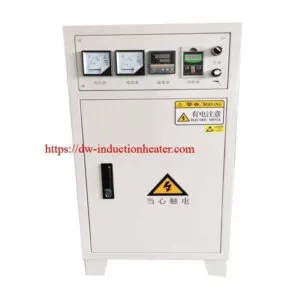
- Digital control of power and temperature
- Precise setting of maximum temperature to protect metallurgy
- Consistent, repeatable results across different jobs and crews
Some systems also provide data logging for quality assurance and documentation required by plant operators and regulators.
Integrating Induction Thermal Expansion into Power Plant Maintenance
Power plants that adopt induction thermal expansion technology typically integrate it into their standard maintenance procedures:
- Planned outages: Coupling and bearing disassembly is scheduled with induction systems on hand, ensuring that removal does not become a bottleneck.
- Emergency repairs: Portable induction units can be brought quickly to site to remove damaged couplings or bearings without lengthy preparation.
- Refurbishment centres: Central workshops use stationary induction systems for repeated tasks on rotor, shaft and bearing assemblies.


In many cases, the same induction platform can support:
- Preheating shafts or hubs before installing new shrink‑fit parts
- Heating for straightening or controlled alignment operations
- Preheat and post‑weld heat treatment (PWHT) on welded attachments or repairs
This makes induction technology a versatile thermal tool across the full life cycle of turbine and generator components.
Typical Users and Industries
- Thermal power plants (coal, gas, biomass) – for steam turbine and generator rotor maintenance
- Nuclear power plants – where precise, low‑risk methods are essential
- Hydropower plants – for large generator and turbine bearing and coupling removal
- Large industrial cogeneration plants – maintaining combined heat and power units
- Specialised turbine and generator service companies – offering field and workshop overhauls
In all these environments, induction thermal expansion helps cut outage time, improve safety and extend the life of critical rotating assets.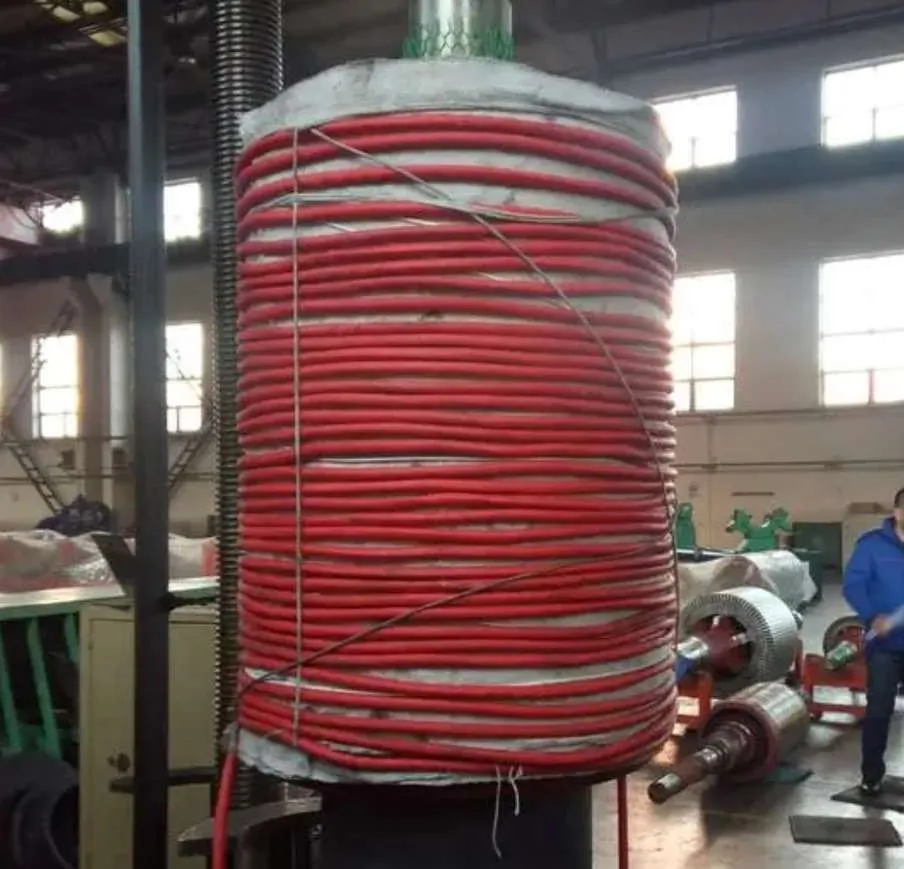
Conclusion
Induction thermal expansion for the removal of large bearings, shafts and couplings has become a best‑practice solution for turbines and generators. By delivering fast, precise and flameless heating, induction technology minimises mechanical stress, protects expensive components and significantly shortens maintenance windows.
For plant owners and service providers focused on reliability, availability and safety, integrating induction thermal expansion into turbine and generator maintenance strategies is no longer optional—it is a competitive necessity.