



Induction Copper Melter-Brass Melting Induction Furnace-Copper Smelter-Induction Copper Melting Furnace
The Definitive Guide to 100-1000kg Induction Melters for Copper, Brass, and Bronze
In the demanding world of copper foundries, art casting, and brass/bronze manufacturing, the quality of the melt is everything. Induction melting copper and its alloys presents unique challenges: high melting temperatures (1085°C / 1984°F), susceptibility to gas porosity, and significant metal loss (burn-off) through oxidation. Traditional fuel-fired furnaces often struggle to meet these challenges, resulting in high operational costs, inconsistent quality, and environmental drawbacks.
Enter the modern solution: the Medium-Frequency Induction Copper Melter. With capacities ranging from 100kg to 1000kg, this technology has become the gold standard for melting copper, brass, and bronze, offering unparalleled speed, purity, and control. This article explores the principles, advantages, and applications that make induction melting the superior choice for your copper-based operations.
How Induction Melting Delivers a Superior Copper Melt
Unlike traditional furnaces that heat the crucible externally, induction melting turns the copper charge itself into the heat source. This process is clean, contained, and incredibly efficient, based on the principles of electromagnetic induction.
- Magnetic Field Generation: A specialized medium-frequency power supply sends an alternating current through a water-cooled copper coil. This coil surrounds the crucible holding the copper, brass, or bronze charge.
- Induction of Eddy Currents: The current in the coil generates a powerful, alternating magnetic field that passes directly through the metal inside the crucible.
- Direct Internal Heating (Joule Effect): This magnetic field induces powerful electrical currents—known as “eddy currents”—to flow within the metal charge. The inherent electrical resistance of the copper causes these currents to generate intense and rapid heat from the inside out.
- Natural Electromagnetic Stirring: A key advantage for alloys, the induced currents create a natural, gentle stirring motion within the molten bath. This ensures perfect temperature uniformity and promotes the complete homogenization of alloys like brass and bronze, preventing segregation and leading to a higher-quality, consistent final product.
This direct heating method means melting is exceptionally fast, minimizing the time the molten copper is exposed to the atmosphere, which is critical for reducing gas pickup and oxidation.
Key Features of a Modern Induction Copper Melting System
Industrial induction melters are sophisticated, integrated systems engineered for the harsh foundry environment.
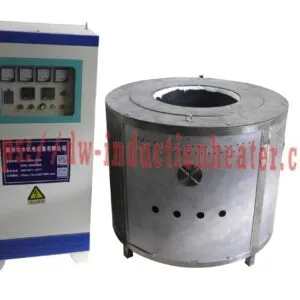
- IGBT Solid-State Power Supply: The system’s core, providing high energy efficiency (>95%), precise power control, and rapid response for ultimate temperature management.
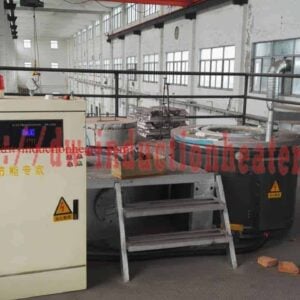
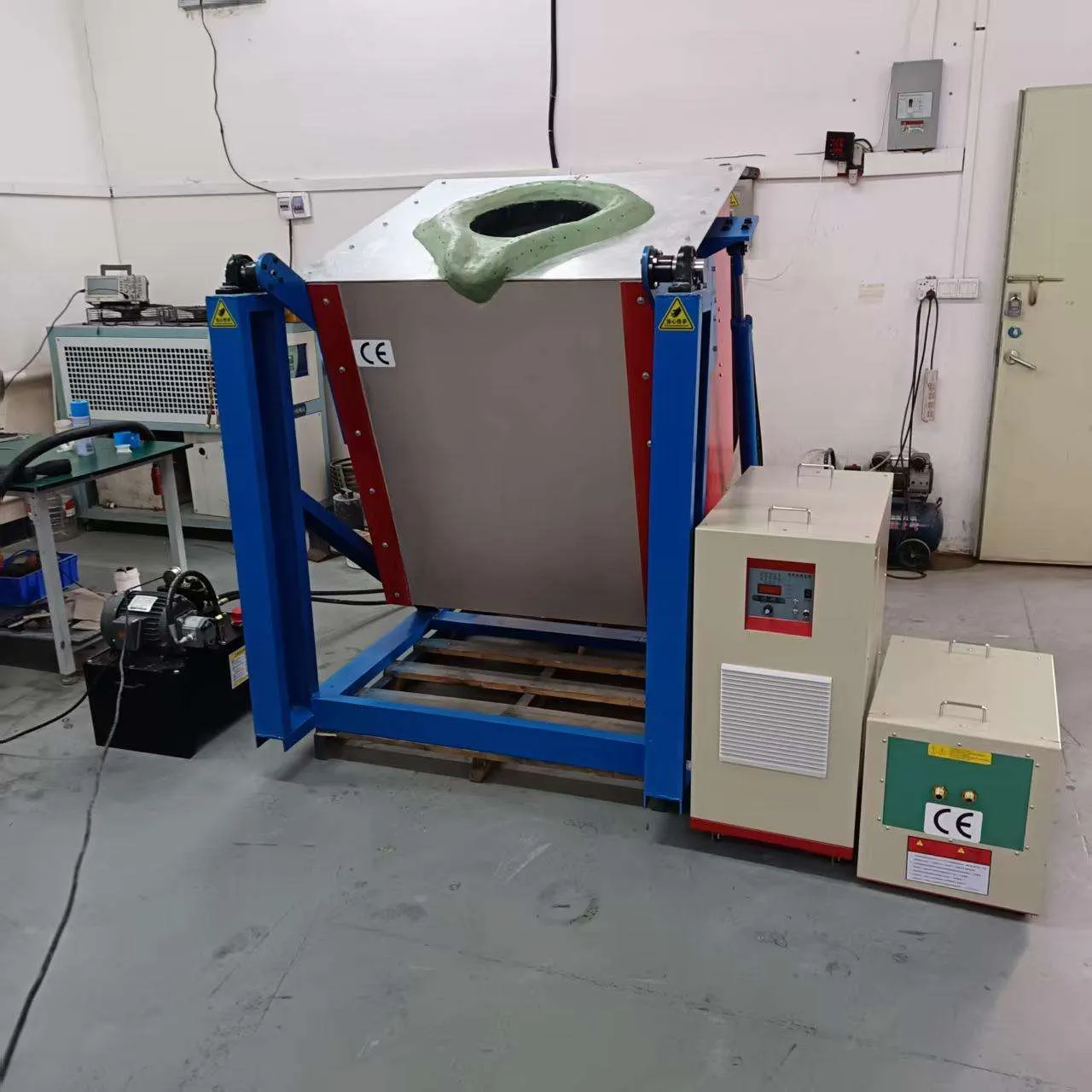
- Robust Steel Shell Furnace Body: A heavy-duty steel frame provides structural integrity, protects workers by shielding magnetic fields, and withstands the rigors of daily foundry use.
- Hydraulic Tilting System: Essential for this capacity range, a hydraulic tilting mechanism ensures safe, smooth, and precise pouring of molten metal into ladles or molds.
- High-Performance Refractory Lining: A high-alumina or silica-based refractory ramming mass is used to form the crucible. This lining is crucial for containing the high-temperature molten copper and thermally insulating the vital induction coil.
- Closed-Loop Water Cooling System: A dedicated cooling station circulates treated water through the power supply and induction coil to dissipate heat, guaranteeing system reliability and long service life.
- PLC Touch-Screen Control: A modern PLC interface allows operators to monitor and control all critical parameters (power, temperature, voltage, water flow) in real-time, enabling automated melt cycles for unmatched consistency and safety.

Induction vs. Gas/Fossil Fuel Furnaces: The Clear Winner
When compared to traditional melting methods, the benefits of induction for copper are substantial.
| Feature | Induction Copper Melter | Gas/Crucible Furnace |
|---|---|---|
| Melting Speed | Very Fast. A full 500kg batch melts in 40-60 minutes from a cold start. | Slow. Requires long preheat and extended melting cycles. |
| Metal Purity | Very High. Minimal oxygen and hydrogen pickup due to rapid, flameless melting. | Lower. High risk of gas porosity and dross from combustion byproducts. |
| Metal Loss (Burn-off) | Extremely Low (<1%). Rapid melting drastically reduces oxidation. | High (3-5%+). Prolonged exposure to flame causes significant metal loss. |
| Temperature Control | Precise (±5°C). Instant power control prevents overheating. | Difficult. Prone to temperature fluctuations and overheating. |
| Energy Efficiency | High. Over 95% electrical efficiency; minimal heat radiated into the workshop. | Low. Massive heat loss through exhaust flue and radiation. |
| Environment & Safety | Clean & Safe. No CO2, no fumes, no open flame, and a cooler working area. | Polluting & Hazardous. Emits CO2/NOx; high fire risk and ambient heat. |
| Footprint | Compact. Requires significantly less floor space. | Bulky. Needs space for the furnace, fuel storage, and flue systems. |
Key Applications for 100-1000kg Copper Melters
The versatility of these furnaces makes them ideal for a wide range of copper, brass, and bronze applications.
- Brass & Bronze Foundries: The perfect solution for melting brass and bronze to cast high-quality valves, pumps, impellers, marine hardware, gears, and fittings. The stirring action ensures consistent alloy composition.
- Art Foundries & Sculpting: Preferred by artists and fine art foundries for melting bronze and copper for statues and sculptures, where a flawless surface finish and material integrity are paramount.
- Scrap Copper & Brass Recycling: Efficiently melts a wide variety of scrap, including wire, turnings, and solids, maximizing recovery and yielding high-purity ingots.
- Electrical Components: Used for melting high-purity oxygen-free copper (OFC) for casting electrical connectors, busbars, and other components where high conductivity is critical.
- Small-Scale Ingot & Bar Production: Ideal for producers creating specific copper-alloy ingots or bars for resale or further processing.
Technical Parameters (Example for Copper Melting)
Note: Parameters are illustrative and can be customized by the manufacturer.
| Model | Rated Capacity (Copper) | Max Input Power | Melting Rate (Copper) | Power Consumption | Operating Frequency |
|---|---|---|---|---|---|
| MF-70 | 100 kg | 70 kW | ~110 kg/hr | ~350 kWh/ton | 1000-2000 Hz |
| MF-120 | 250 kg | 160 kW | ~240 kg/hr | ~330 kWh/ton | 500-1000 Hz |
| MF-250 | 500 kg | 250 kW | ~400 kg/hr | ~320 kWh/ton | 500-1000 Hz |
| MF-500 | 1000 kg | 500 kW | ~800 kg/hr | ~300 kWh/ton | 200-500 Hz |
6 Essential Frequently Asked Questions (FAQs)
1. Why is an induction furnace better than a gas furnace specifically for copper?
An induction furnace is superior for copper because it’s a flameless process. This eliminates the risk of hydrogen pickup from combustion byproducts, which causes gas porosity—a major defect in copper castings. Furthermore, the rapid melting speed drastically reduces the formation of copper oxide (dross), leading to higher metal yield and lower costs.
2. How long does the refractory lining last when melting copper?
The lifespan depends on operating temperature, frequency of use, and the type of copper alloy. Due to copper’s high melting point, the lining is under significant stress. With proper installation and maintenance, a high-quality refractory can last for several hundred melts. Regular inspection for cracks and wear is essential.
3. Can I melt brass and then pure copper in the same furnace?
While possible, it’s not recommended. When melting brass, zinc can vaporize and impregnate the refractory lining. When you later melt pure copper in that same lining, the trapped zinc can be released, contaminating your high-purity copper melt. It is best practice to use dedicated crucibles or furnaces for different alloy families.
4. How fast can I melt a 500kg batch of copper?
In a properly sized furnace (e.g., 250kW), you can expect to melt a full 500kg charge from a cold start in approximately 50-60 minutes. Subsequent melts in a hot furnace will be even faster, typically around 40 minutes.
5. What is the main maintenance task for an induction copper melter?
The single most important maintenance task is daily inspection of the refractory lining for any signs of cracking or erosion. The second most critical task is ensuring the water-cooling system is functioning correctly (proper flow rate, temperature, and water quality), as this protects the entire system from overheating.
6. How do I choose the right size furnace?
Calculate your required hourly production of molten metal. If you need to pour 400kg of bronze every hour, a 500kg furnace with a melting rate of ~400 kg/hr (like the ICM-500 model) would be an appropriate choice, giving you a slight buffer. Always consider your production needs, casting size, and available power supply.