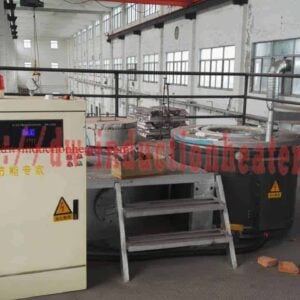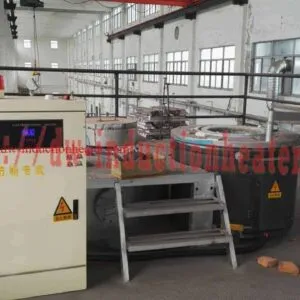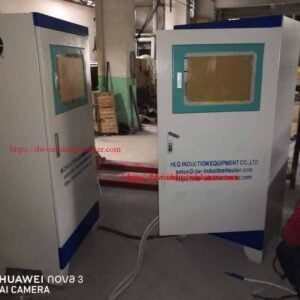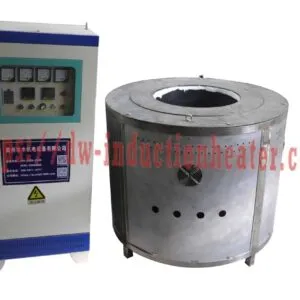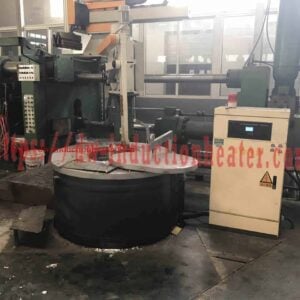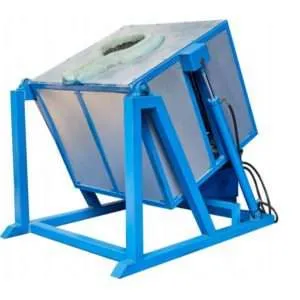


100–5000 kg Induction Melting Furnace for Efficient Lead, Tin and Zinc Smelting
100-5000kg Induction Melting Furnace for Smelting Lead, Tin, Zinc: Professional Guide to Non-Ferrous Metal Processing
Induction melting furnaces sized from 100 to 5000 kg are widely used in secondary smelting, recycling and small‑to‑medium foundry operations for non‑ferrous metals such as lead, tin and zinc. These furnaces combine rapid, controllable electromagnetic heating with high energy efficiency, lower emissions and improved metal quality compared with open‑flame or resistance methods. This article explains the operating principle, typical features, benefits, common applications, provides a technical parameter table for representative models, and answers six frequently asked questions to help operators select and operate the right induction furnace.
Induction Melting Principle of Operation
Induction melting relies on electromagnetic induction to generate heat directly within the conductive metal charge. Core components include an inverter power supply, induction coil, refractory crucible, cooling system and process controls.
- Inverter and coil: The inverter converts grid power to an alternating current at a chosen frequency. This current flows through the induction coil and creates a time‑varying magnetic field.
- Eddy currents and resistive heating: Conductive metal placed in the crucible experiences induced eddy currents. The metal’s electrical resistance converts these currents into heat, melting the charge.
- Electromagnetic stirring: The interaction of magnetic fields and induced currents often creates stirring effects in the molten bath, improving homogeneity and accelerating melting.
- Frequency selection: Low frequencies (tens to a few hundred Hz) provide deeper penetration for larger batches (useful for lead and zinc) while medium frequencies (kHz range) are common for faster melting of smaller batches and for tin that has lower melting point and different stirring needs.
- Atmosphere and flux: For zinc and tin—both susceptible to oxidation—covered crucibles, fluxes or inert gas environments can reduce dross and improve yield.
Features
100–5000 kg induction melting furnaces designed for lead, tin and zinc typically offer the following features:
- Capacity range: Batch capacities from 100 kg up to 5000 kg per charge, suitable for shop, plant or modular installations.
- Frequency and power options: LF and MF inverter systems with power ranges scaled to capacity, enabling tailoring to metal type and throughput.
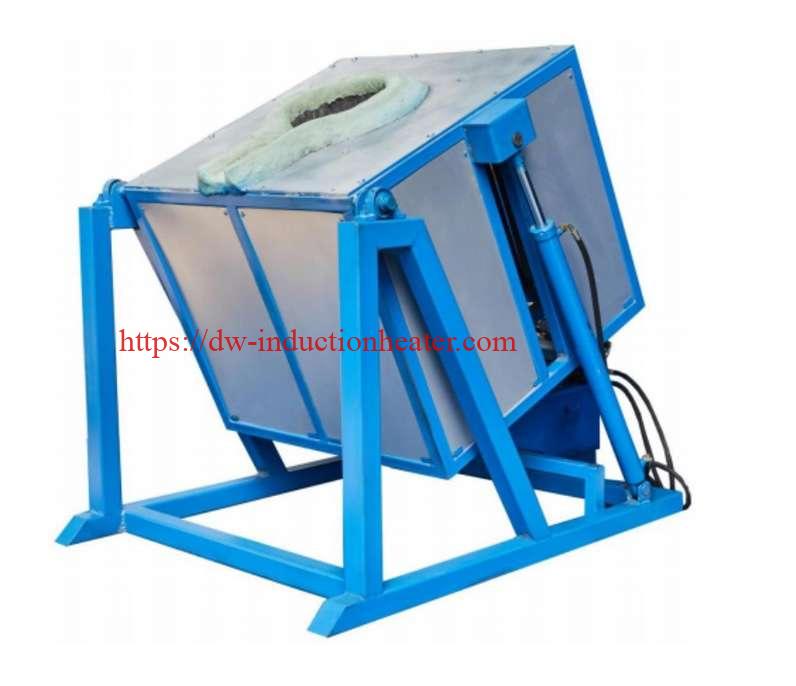
- Crucible designs: Tilting crucible, bottom‑pour or lift‑out configurations to match casting or tapping requirements.
- High‑quality refractory: Graphite, magnesia, or alumina crucibles selected based on metal chemistry and life‑cycle considerations.
- Temperature control: PLC/touchscreen controls with programmable heating ramps, setpoints and alarms for repeatable processes.
- Cooling and protection: Water‑cooled coils and protected power electronics for reliable continuous operation.
- Atmosphere and degassing options: Covered crucibles, inert gas purging or simple flux dosing for oxidation‑sensitive melts.
- Safety systems: Interlocks, emergency stop, over‑temperature protection and fume capture interfaces.


Advantages
Using an induction melting furnace in the 100–5000 kg range for lead, tin and zinc delivers multiple advantages:
- Fast, Controlled Melting
Induction provides rapid, volumetric heating with precise control of power input and temperature profiles, shortening melt cycles and improving throughput. - Improved Metal Quality and Lower Dross
The absence of combustion gases and the possibility to use covered crucibles or inert environments reduce oxidation and dross formation—critical for zinc and tin yields. - Energy Efficiency
Induction converts electrical energy directly into metal heat, achieving higher energy utilization versus gas burners and lowering energy cost per kilogram melted. - Safer Operation
Flameless heating reduces fire risk and hot‑work permits. Tilting or bottom‑pour options decrease manual exposure to molten metal during tapping. - Homogeneous Melt and Reduced Segregation
Electromagnetic stirring promotes uniform temperature and composition, beneficial for alloys and recycling feedstock variability. - Flexible Multi‑Metal Capability
With appropriate crucibles and process controls, a single induction furnace can handle lead, tin and zinc melts, enabling flexible production or recycling workflows.
Applications
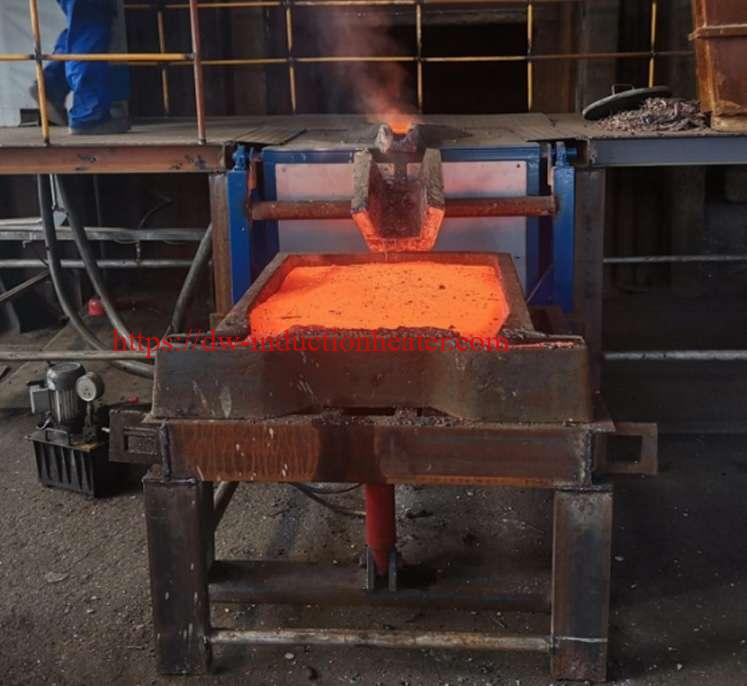
Common applications for 100–5000 kg induction melting furnaces for lead, tin and zinc include:
- Battery recycling: Melting and refining recovered lead from automotive and industrial batteries.
- Brass and plating scrap processing: Removing zinc from brass scrap streams for zinc recovery and producing cleaner copper and brass feedstock; or melting tin‑containing scrap to recover tin.
- Solder and tin alloy production: Melting and alloying tin for solder, bearings, and plating alloys.
- Die casting and foundry supply: Producing zinc and tin alloys for low‑melting‑point die casting operations and small‑batch casting.
- Secondary smelters: Processing mixed non‑ferrous scrap to segregate and recover lead, tin and zinc.
- Research and pilot production: Laboratory and pilot plants where batch sizes between 100 and 5000 kg are practical.

Representative Technical Parameters
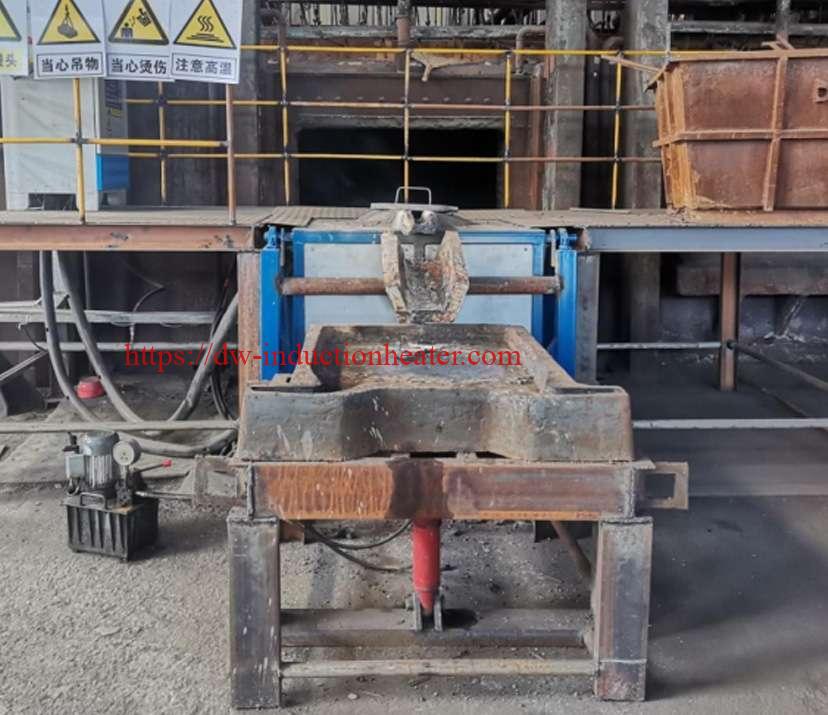
Below is a sample table of typical technical parameters. Exact specifications vary by manufacturer and model.
| Parameter | Typical Range / Value |
|---|---|
| Batch capacity | 100 kg – 5000 kg |
| Furnace type | Tilting crucible / Bottom‑pour / Lift‑out crucible |
| Frequency | 50 Hz – 5 kHz (LF and MF variants) |
| Power rating | 30 kW – 2000 kW |
| Melting rate (lead) | 100 kg/h – 3000 kg/h |
| Melting rate (tin) | 50 kg/h – 1500 kg/h |
| Melting rate (zinc) | 80 kg/h – 2500 kg/h |
| Power supply | 3‑phase 380–690 V, 50/60 Hz |
| Crucible materials | Graphite, magnesia, alumina |
| Cooling | Water‑cooled coil and inverter cooling |
| Control | PLC / Touchscreen, programmable profiles |
| Atmosphere control | Ambient, covered crucible, inert gas (optional) |
| Degassing / fluxing | Manual/automated flux addition |
| Safety features | Interlocks, over‑temp, emergency stop |
| Footprint | Modular shop or plant integration |
| Typical refractory life | 3 months – 4 years (depending on metal & usage) |

6 Key FAQs
- Can one induction furnace be used for lead, tin and zinc interchangeably?
Yes, a single induction furnace can process multiple metals, but operators must manage crucible compatibility, avoid cross‑contamination, and apply correct fluxing and atmosphere controls. Careful cleaning and process recipes between metal changes are essential. - What frequency is best for melting lead, tin and zinc?
Lower frequencies (tens to a few hundred Hz) are effective for deeper penetration in larger charges, favored for lead and zinc in high‑mass melts. Medium frequencies (several hundred Hz to kHz) accelerate melting and are often used for tin and smaller batch sizes. Frequency selection balances penetration depth, stirring and efficiency. - How is dross minimized when melting zinc and tin?
Use covered crucibles, apply appropriate fluxes, control melt temperature precisely to avoid excessive oxidation, and consider inert gas purging when high purity is needed. Rapid melting and reduced residence time also help minimize dross. - What safety measures are critical for these furnaces?
Important measures include robust water cooling, interlocked access doors, emergency stop systems, fume ducting and filtration for zinc/lead fumes, personal protective equipment (PPE), and operator training on tilting/pouring and slag handling. - How often does the crucible need replacement?
Crucible life varies with metal chemistry and operating practices. Graphite crucibles for lead and tin can last many months, while aggressive Zn melts or contaminated scrap can shorten life to weeks. Regular inspection and preventive maintenance extend service life. - Are induction furnaces energy efficient for small batch sizes?
Yes—especially modern inverter‑driven systems designed for the target capacity. While very small melts might have higher specific losses, induction generally remains competitive due to fast heat‑up, precise control and lower post‑combustion losses.
Conclusion
A 100–5000 kg induction melting furnace offers non‑ferrous smelters, recyclers and foundries an efficient, flexible and safer solution for melting lead, tin and zinc. Properly selected frequency, power rating and crucible material, combined with good process control (temperature, flux, atmosphere), deliver high yields, reduced dross and cleaner metal—helping operations meet productivity, quality and environmental objectives.